Wizz Air Urges EU to Ease Border Checks to Prevent Summer Travel Disruptions
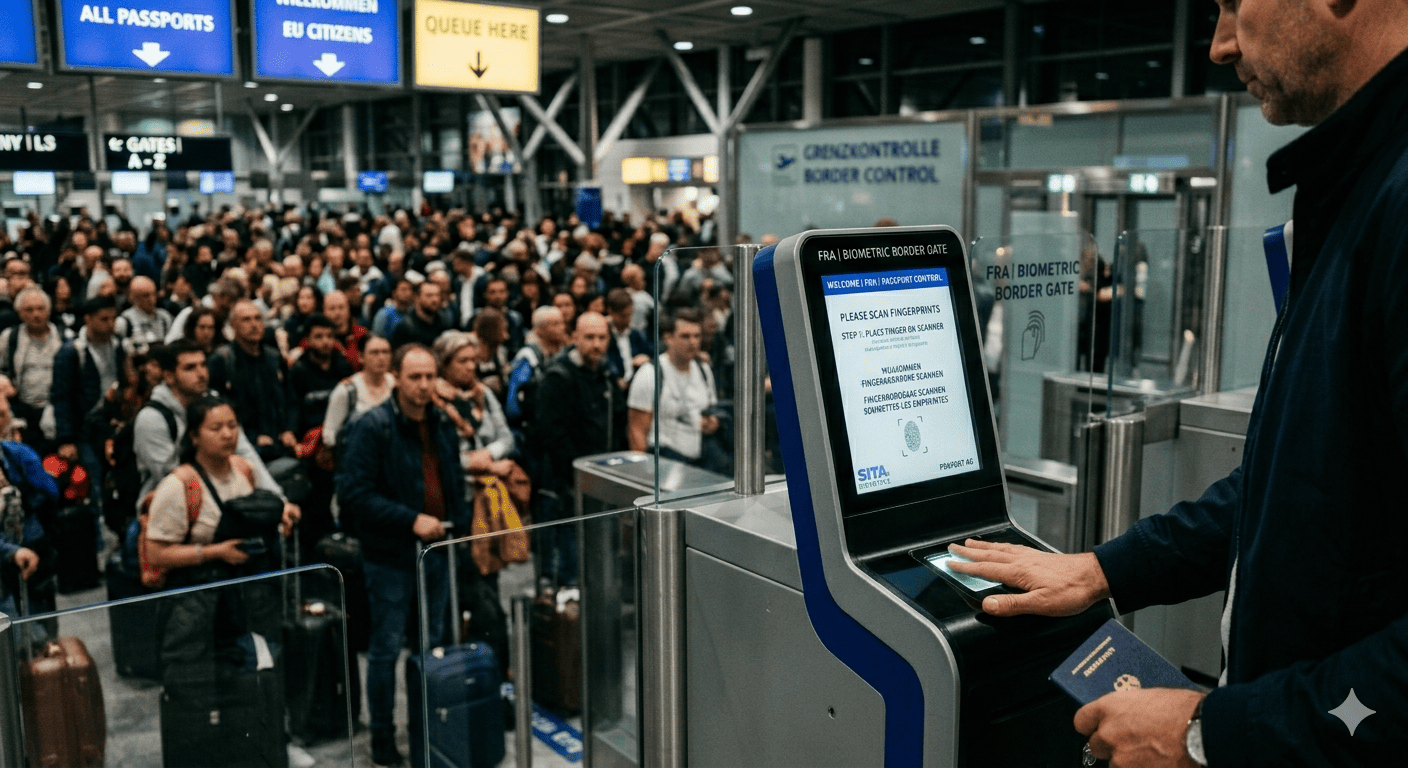
Budget airline giant Wizz Air has issued a stark warning to holidaymakers and European authorities alike, urging the European Union to ease its newly implemented border check procedures to avert widespread chaos during the peak summer travel season.
Aviation leaders warn that unless flexibility is introduced, passengers could face unprecedented bottlenecks at passport control checkpoints across the continent.
The Three-Hour Warning for Summer Travelers
Speaking on the operational friction mounting at European gateways, Yvonne Moynihan, Managing Director of Wizz Air UK, cautioned that the new Entry/Exit System (EES) is already driving significant delays. The airline has taken the proactive step of altering its standard advice, now explicitly telling passengers returning to the UK from Europe to arrive at airports at least three hours before departure—up from the traditional two-hour window.
"Because there is an additional passport check where EES information must be verified on exit, we are seeing people experience much longer waiting times than anticipated," Moynihan noted, adding that some travelers have already missed connecting or return flights due to the gridlock.
To help travelers cope with the unpredictability at arrival and departure gates, Wizz Air is advising passengers to travel prepared. "When you land at your destination airport, there might be queues, so you should bring a portable charger or water," Moynihan suggested.
The Root of the Bottleneck: What is the EES?
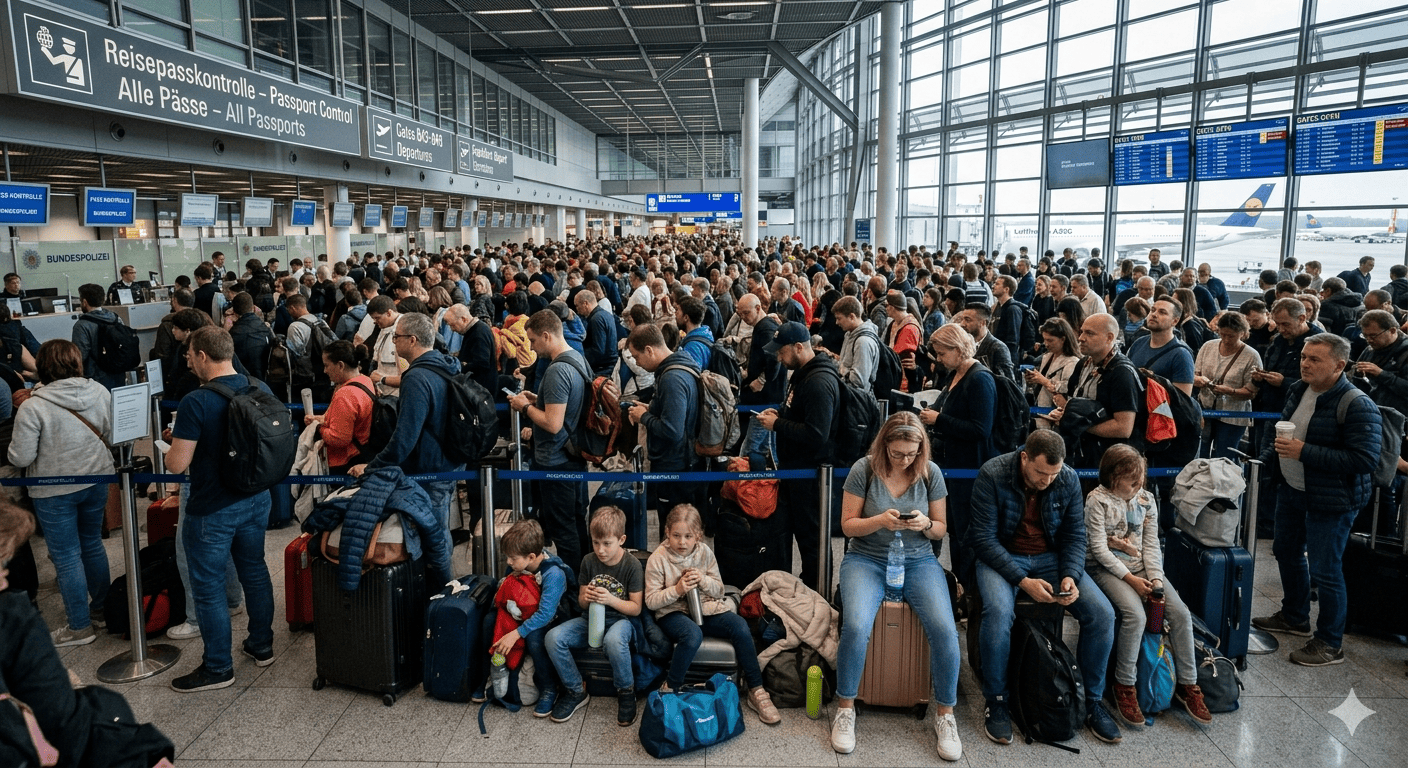
The Entry/Exit System (EES) is an automated IT system designed to modernize border security for non-EU nationals—including post-Brexit British travelers—entering the Schengen Area. Fully implemented in April 2026, it requires passengers to register biometric data, including fingerprints and facial scans, at the border.
While the European Commission maintains that the system is operating efficiently—citing an average registration time of just 70 seconds per traveler—aviation bodies tell a starkly different story. A recent survey by Airports Council International (ACI Europe) covering 45 airports across 20 EU states revealed that peak border delays have reached up to three-and-a-half hours.
Airlines and airport operators fear that as passenger volumes swell toward summer peaks, the situation could quickly become entirely unmanageable.
A Growing Call for Temporary Suspensions
Wizz Air’s warnings echo a broader industry rebellion. Trade bodies like ACI Europe and Airlines for Europe (A4E) have issued joint statements calling on the European Commission and member states to fully or partially suspend the rigid EES rules this summer "where operationally necessary" to protect flight schedules.
Some nations are already bending the rules to shield their tourism sectors:
- Greece has proactively suspended biometric EES checks for British citizens at its borders to avoid summer airport gridlocks.
- France previously suspended the extra border checks over major holiday weekends to prevent catastrophic queues at transit hubs like the Port of Dover.
- Portugal has taken a different approach, pledging to deploy an additional 360 border officers to its airports starting in July to cope with the expected volume.
As the peak holiday season arrives, the travel industry is bracing for a season of "border roulette". For millions of vacationers, the message from carriers like Wizz Air is clear: give yourself extra time, prepare for delays, and pack plenty of patience.