The Biggest Travel Trends Shaping Tourism in 2026

The global travel landscape is undergoing a massive shift. Rather than chasing the standard postcard-perfect photos, travelers in 2026 are looking inward—redefining what it means to escape, connect, and explore. Guided by highly personalized priorities, financial strategies, and advanced AI systems, we are witnessing a complete re-engineering of the tourism experience.
If you are currently planning your next getaway, these are the major movements shaping how, where, and why we travel this year.
1. "Anti-Tourism" & The Rise of Quiet Escapes
With over-tourism reaching critical mass in historic capitals, travelers are actively pushing back. "Anti-tourism" has transitioned from a niche philosophy to a dominant booking strategy. According to Skyscanner's Future of Travel Hub, a third of global travelers are now actively looking to avoid over-touristed areas in favor of quieter, less-visited locales.
Travelers are skipping overcrowded hotspots to protect local ecosystems and avoid sensory overload. Instead of fighting crowds in Rome or Tokyo, modern globetrotters are opting for lesser-known, highly authentic spaces like Kyrgyzstan, Laos, or the peaceful southern islands of Nam Du.
- The "Coolcationing" Effect: Hotter global summers are also steering people northward. Skyscanner's 2026 UK Travel Trends reveals a major "Altitude Shift," with 71% of travelers planning or considering a mountain escape to alpine sanctuaries like the Canadian Rockies or the Alps to find serenity and cooler climates.

2. Agentic AI: Your Real-Time Travel Agent
While AI previously stopped at suggesting simple itineraries or answering basic trivia, 2026 is the year of Agentic AI. Multiple autonomous AI systems now work together behind the scenes to actively book, adjust, and negotiate trips in real time.
AI models can now factor in real-time weather changes, sudden flight delays, personal loyalty points, and fluctuating exchange rates to alter a multi-stop itinerary while you are en route.
3. "No-Think" Holidays & Curated Simplicity
Between complex careers and constant digital noise, the mental load of planning a trip has become a major deterrent. In response, we've seen the rise of the "No-Think" Holiday—where travelers willingly hand over full logistical control to trusted curators.
- The Curated Boom: Travelers are increasingly booking highly structured, small-group tours or pre-planned vacations to let someone else handle the friction.
- "Destination Check-ins": Rather than booking standard business hotels, travelers are seeking out unique stays. According to industry insights from Hertelier, 45% of travelers (and up to 61% of Gen Z) have chosen a destination based solely on the accommodation—such as historical converted farmhouses, ancient manors, or luxury rail lines—where the lodging itself acts as the main event.
4. Financial Strategy: Destination Choice Based on Currency Rates
With inflation and cost-of-living concerns remaining top of mind, destination selection has become a highly calculated financial play. Instead of asking "Where do I want to go?", travelers are asking:
- The Favorable Rate Boom: According to data from Mastercard's Travel Trendlines, an overwhelming 85% of international travelers state that exchange rates actively influence where they choose to book.
- Diverse Payment Rails: Travelers are also bypassing traditional banking friction altogether, with 36% of global travelers indicating they would use cryptocurrency to pay for accommodations and flights this year.
5. "Shelf Discovery" & Local Skill Sourcing
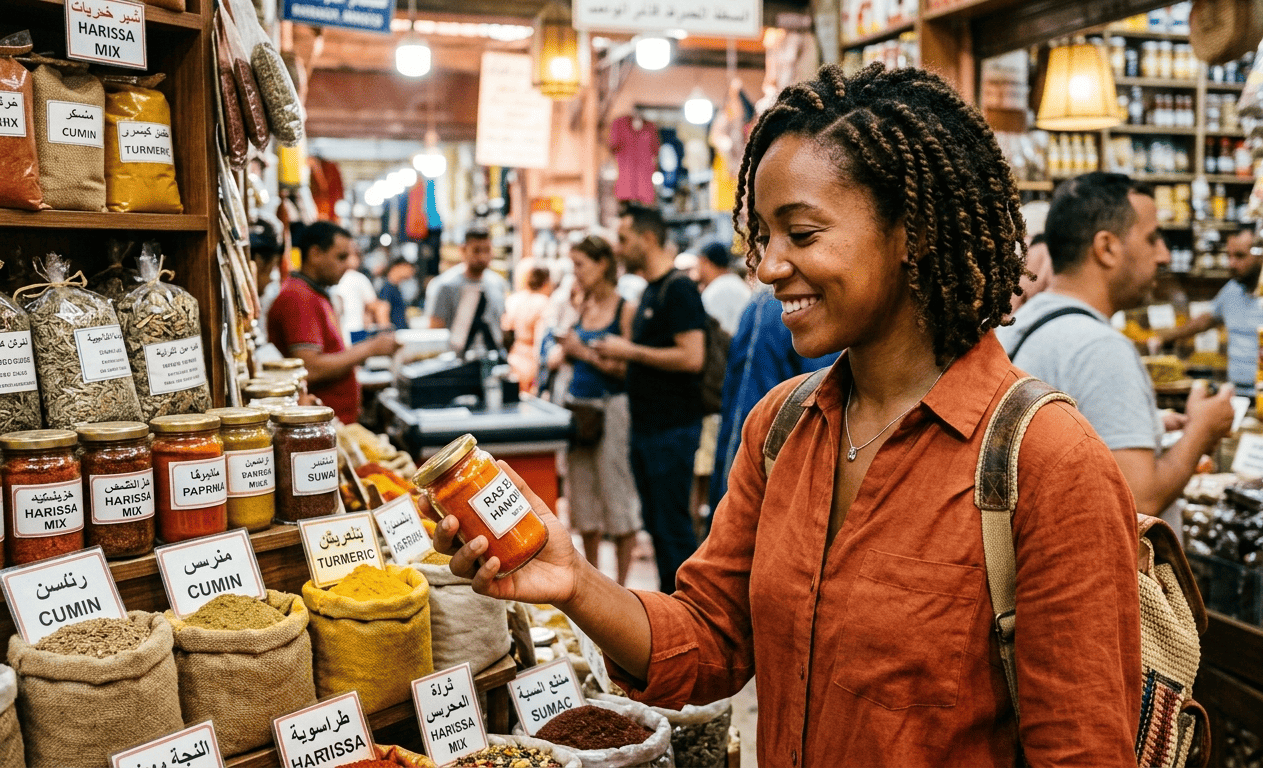
Souvenirs are out; skills and local grocery runs are in. Travelers in 2026 want to return home with a physical or mental capability they didn't have before.
- Local Cooking and Crafting: Over 79% of Millennials and Gen Z are seeking out hyper-local workshops, such as traditional textile weaving, perfume-making, or culinary masterclasses.
- "Shelf Discovery": A fascinating food trend highlighted in Skyscanner's 2026 Travel Trends Report shows that 43% of travelers prioritize exploring local supermarkets and grocery stores abroad. This "Supermarket Safari" allows travelers to sample regional foods and cosmetic items that aren't exported, experiencing the culture exactly how the locals do.