Why the 2026 World Cup Tourism Boom is Falling Short of Expectations
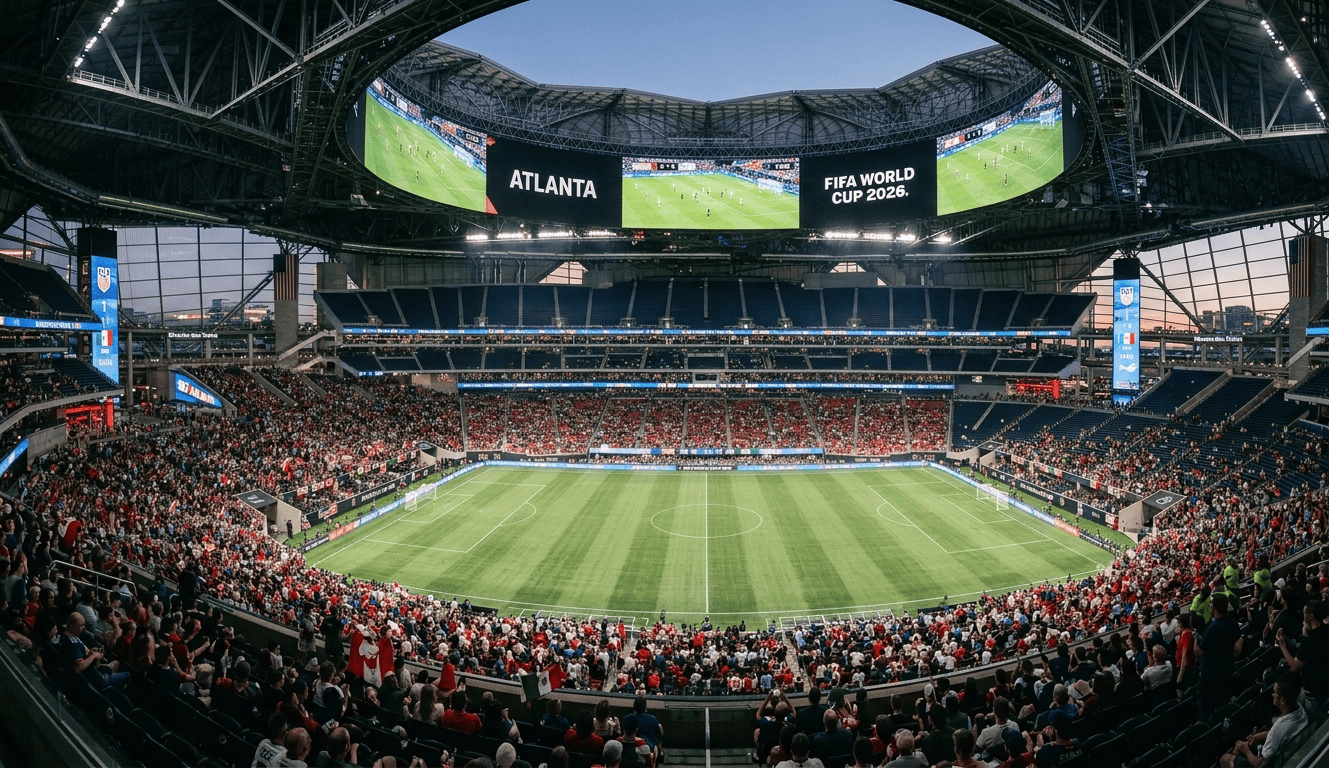
When the expanded 48-team FIFA World Cup 2026 was announced across the United States, Canada, and Mexico, it was hailed as a historic financial goldmine. Initial projections estimated a massive $40 billion in global revenue and an influx of up to 10 million international fans.
However, as the tournament progresses, the reality on the ground is painting a starkly different picture. Instead of an unprecedented summer travel wave, host cities are experiencing a localized, fragmented "micro-peak" phenomenon.
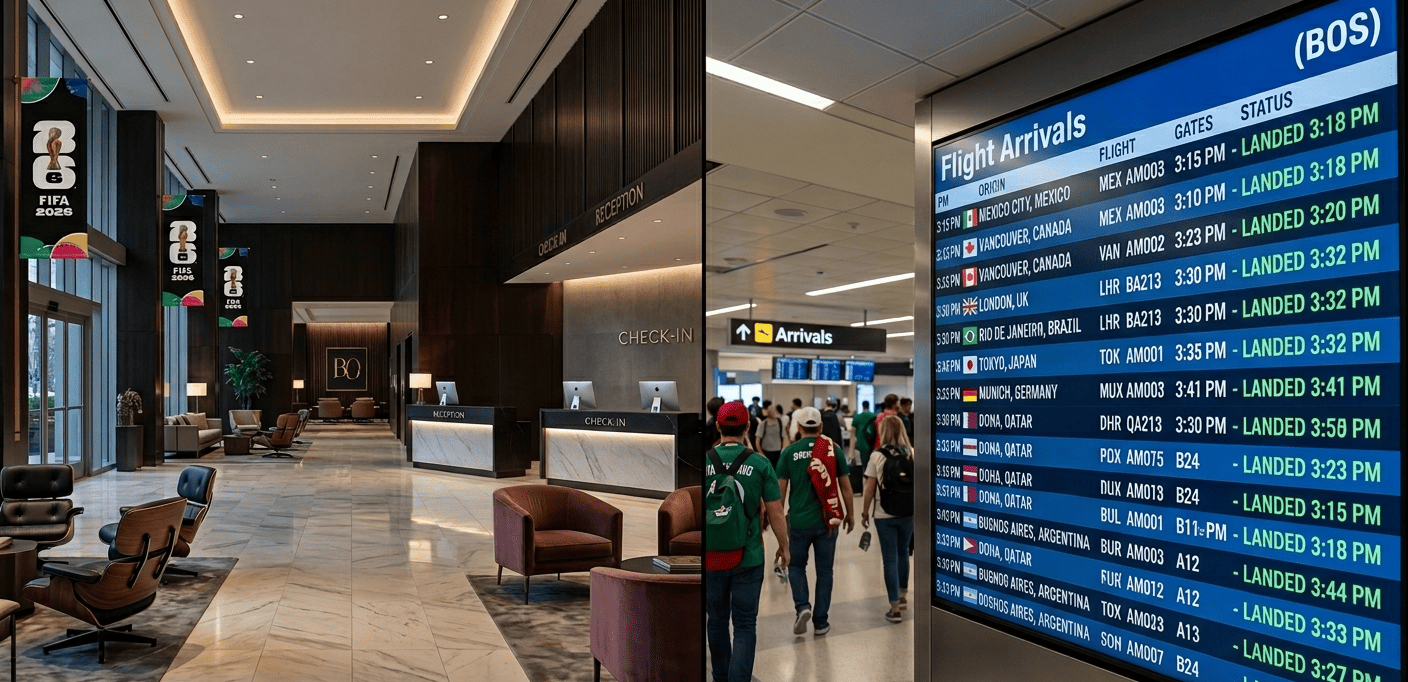
According to reports from the American Hotel & Lodging Association (AHLA), roughly 80% of hotels in U.S. host cities have recorded booking rates well below their initial forecasts. Far from the historic windfall promised to the hospitality and service sectors, the massive tourism boom has largely fallen short.
The Three Main Drivers Behind the Shortfall
Several geopolitical, economic, and logistical hurdles have dampened what was supposed to be a blockbuster summer for North American tourism.
1. Border Frictions and Visa Delays
The United States is hosting 78 of the tournament's 104 matches, making it the primary engine for expected tourism revenue. However, stringent border policies and travel restrictions have heavily restricted fan attendance. Visas have been difficult to secure for many international travelers, while fans from several competing nations are facing outright travel bans or rigorous, lengthy screenings. These geopolitical barriers have severely stifled the arrival of long-haul, high-spending international tourists.
2. Skyrocketing Ticket Prices and Travel Costs
Attending this iteration of the World Cup requires incredibly deep pockets. Driven by dynamic pricing strategies, ticket costs have soared to record highs, with even basic group-phase tickets frequently fetching hundreds or thousands of dollars. Coupled with high transatlantic airfares and inflated hotel rates, the sheer cost of attendance has priced out the traditional, middle-class international soccer fan.
3. The "Crowding Out" and Substitution Effect
While World Cup fans are occupying hotel rooms in host cities like Boston, Dallas, and New York, they are doing so at the expense of regular summer tourists. High room rates and anticipated transit gridlock have actively deterred non-sports travelers who would normally visit these hubs for standard summer vacations.
Furthermore, instead of booking extended, multi-week vacations, traveling fans are behaving more flexibly—splitting stays across cities, booking shorter trips tailored tightly to their team’s match days, and turning to alternative accommodations.