Vienna Sharply Raises Tourist Tax to Target High-Value Visitors and Fund Luxury Infrastructure
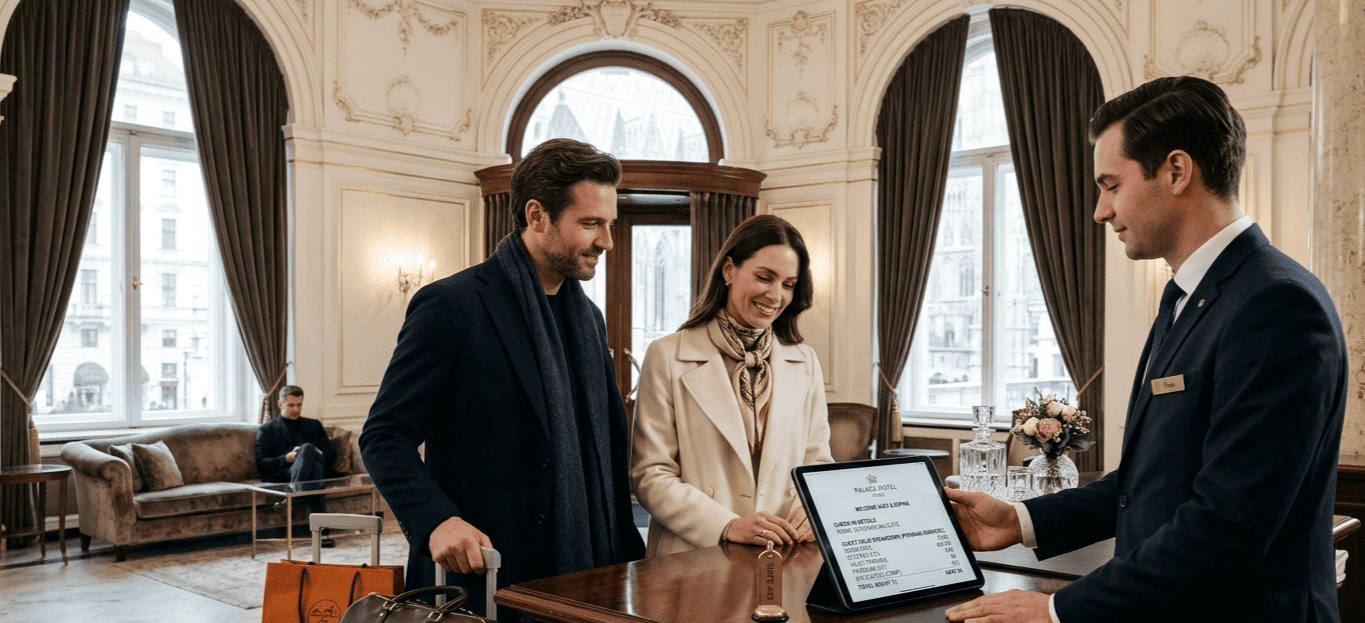
Vienna's world-famous formula of cleanliness, safety, and cultural heritage has propelled its tourism sector to unprecedented heights, with overnight stays skyrocketing from 8.8 million in 2005 to over 20 million. However, this massive influx has led the Austrian capital to implement a major structural shift.
To help fund its first-class public infrastructure and intentionally pivot towards a luxury, high-value demographic, the city is aggressively increasing its visitor tax. For travel operators, hoteliers, and premium travelers, understanding the rollout of this fiscal adjustment is vital.
The Phased Tax Hike: What Travelers Can Expect
Vienna is transitioning away from its traditional baseline local tax. Rather than relying on a small, flat fee, the city uses a percentage-based calculation applied directly to the net room rate (excluding VAT and breakfast options).
The tax adjustments follow a clear escalator path:
- The Baseline: For years, Vienna maintained a modest local tax rate of roughly 3.2%.
- The First Phase: The tax increased to 5%.
- The Target Phase: The local municipality has legislated an increase up to 8%, scheduled to take full effect by July 1, 2027.
For example, on a premium hotel room priced at €250 per night, the tourist levy will account for a significant portion of the final bill, pushing Vienna's tourist tax to the second-highest tier in Europe, trailing only Amsterdam.
Why Vienna is Choosing Quality Over Quantity
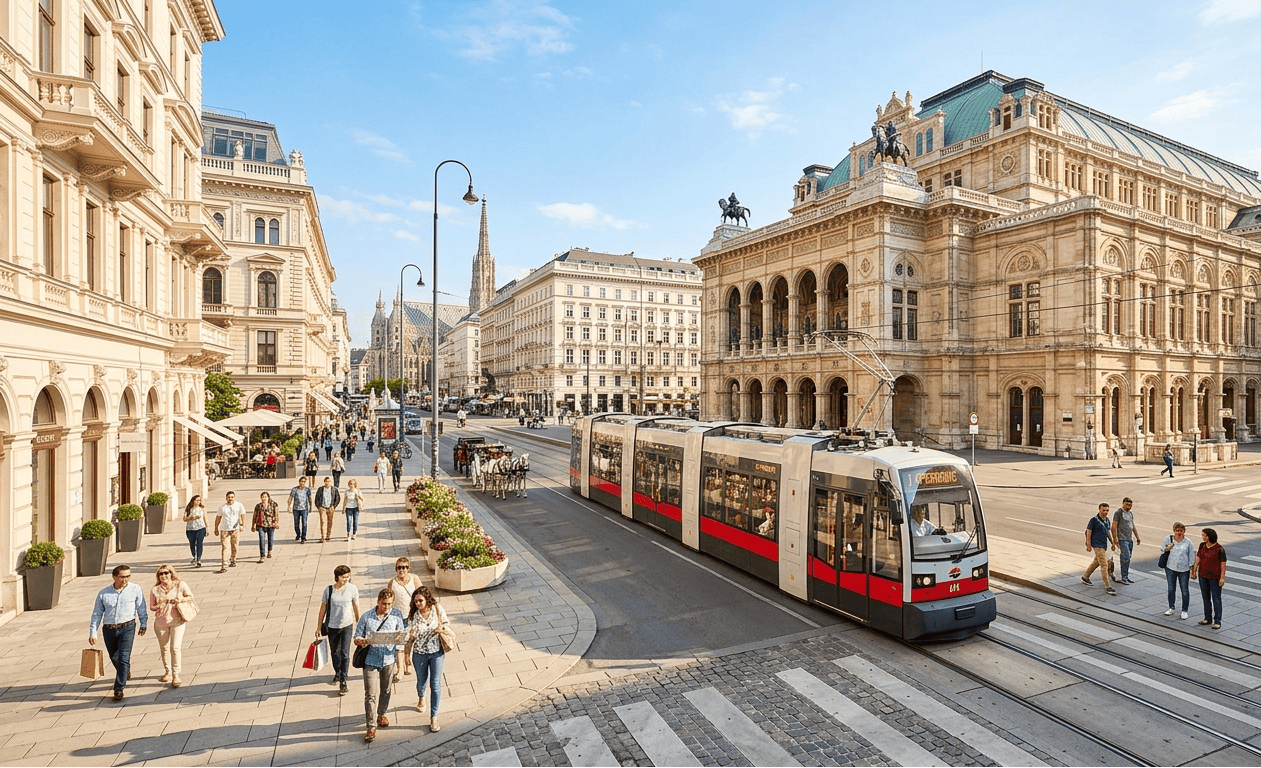
Unlike European destinations that are actively battling chaotic, unmanaged mass tourism, Vienna’s strategy is a proactive protective measure. The city council intends to use the projected tens of millions in fresh revenue to fortify the local ecosystem.
By making the destination inherently more expensive for budget-conscious weekenders, Vienna hopes to cultivate an audience of "higher-value visitors"—affluent corporate travelers, international conference delegates, and cultural purists who stay longer and spend more within the local economy.
Industry Backlash: Are Regulators "Killing the Golden Goose"?
The dramatic fiscal pivot has met steep resistance from the hospitality sector. The Austrian Hotel Association (ÖHV) has voiced sharp concerns that the tax hike treats the tourism sector like a city budget piggy bank, threatening the destination's underlying competitiveness.
Industry stakeholders highlight several key operational friction points:
- The MICE Threat: Vienna consistently dominates international conference rankings. However, event contracts signed years in advance are now face-to-face with unexpected price increases, threatening future corporate bids.
- Regional Price Gaps: While Vienna climbs to premium pricing tiers, neighboring cultural capitals like Prague and Budapest remain highly competitive, with tourist fees hovering at just a few euros per night.
- Budget Airline Flight Diversions: In response to stacking fees, budget carriers like Ryanair have previously shifted capacities to nearby hubs like Bratislava, just a short drive across the Slovakian border.
Navigating the Premium Travel Landscape
For luxury travel consultants and destination management companies, the message from Vienna is clear: the city is doubling down on its identity as an elite cultural sanctuary. While hoteliers worry about near-term margin compressions, municipal leaders are betting that wealthy international travelers will gladly pay a premium to experience the world’s most livable city in pristine condition.
To track real-time regulatory shifts and find breakdown criteria regarding how overnight taxes are billed across Austrian provinces, check the comprehensive guidelines outlined on the Vienna Tourist Board's B2B Industry Hub.