
Venice Proposes Staggering 900% Increase in Tourist Entry Fees to Combat Overtourism
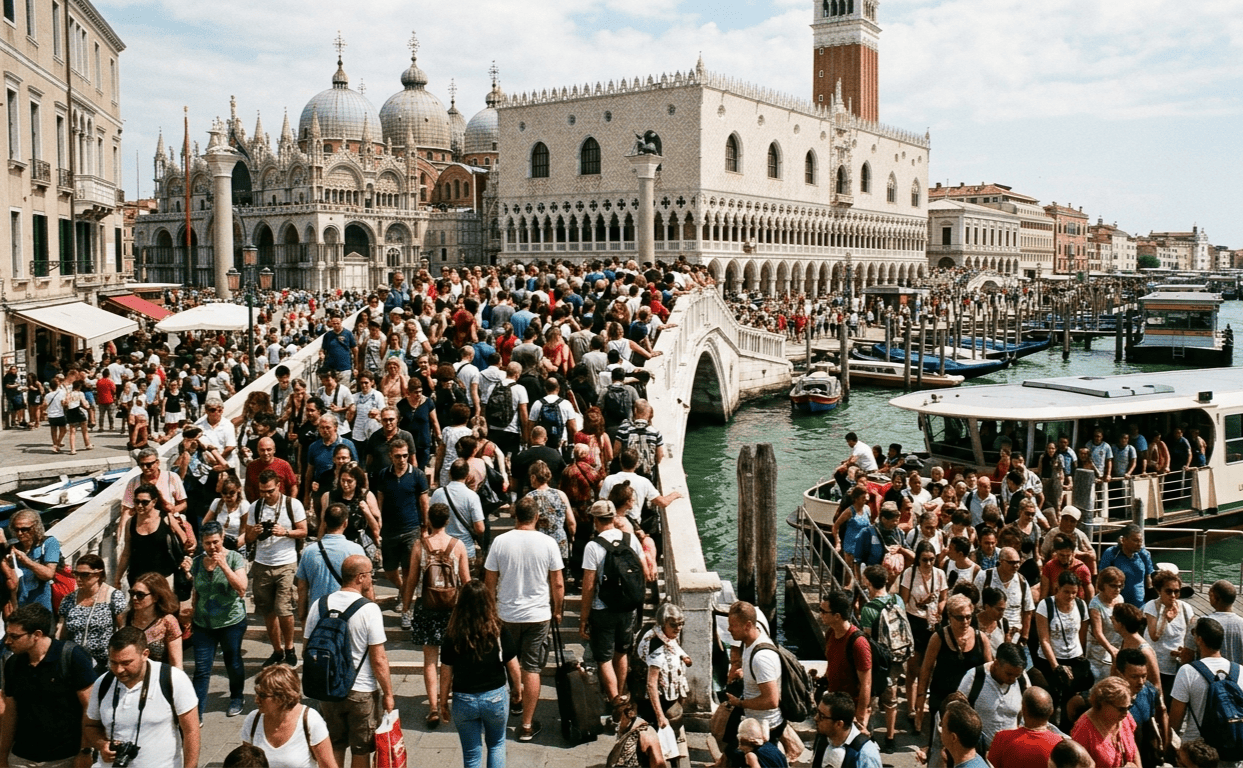
In a bold and highly controversial move to reclaim the historic lagoon city from suffocating crowds, Venice’s newly elected mayor, Simone Venturini, has announced plans to hike the city's day-tripper entrance fee to as much as €50 ($54 USD) on peak days.
The proposal represents a massive 900% increase from the base €5 pilot fee introduced in 2024. As first detailed in a comprehensive report by The Guardian World News, it marks an aggressive escalation in Italy's battle against overtourism, sparking intense debate between conservationists and the global travel industry. Local authorities claim that aggressive price hikes are the only viable way left to manage daily visitor thresholds and protect the fragile infrastructure.
Shifting From a Token Fee to a Real Deterrent
When Venice introduced the world-first contributo di accesso (access fee) in 2024, it began as a modest €5 levy across 29 peak days. By 2025, the program expanded to 54 days, doubling the cost to €10 for last-minute bookers. Currently, the system covers a record 60 dates between April and July.
However, local authorities admit that the nominal €5 to €10 charges have acted more as a revenue generator—raking in over €2.4 million in its first year alone—rather than an effective deterrent to thin the crowds. Critics point out that this influx of revenue simply highlights that the original entry structure failed to keep traffic at bay, especially after warnings from the UNESCO World Heritage Centreflagged that overtourism was directly threatening the city's unique cultural architecture.
Under the newly proposed framework, the city council plans to implement a tiered system. On standard days, the price may sit around €30, but it will skyrocket to €50 the moment predetermined booking thresholds are exceeded.
Who is Exempt from the €50 Venice Fee?
The proposed fee structure will maintain the same exemptions currently active in the municipal system. The price hike is specifically targeted at "hit-and-run" day-trippers who flood the city for a few hours without contributing heavily to the local economy.
- Overnight Hotel and Rental Guests: These travelers remain entirely exempt from the fee because they already pay a local overnight tourist tax. However, they must still register their presence via the Official Venice Access Fee Portalto receive an exemption QR code.
- Veneto Region Residents: Locals commuting from the wider Veneto region do not have to pay the fee but must provide proof of regional residency. Eligible travelers can consult the Venezia Unica Exemption Registryto secure the proper alternative declarations.
- Children Under 14: Minors under the age of 14 are automatically exempt from payment.
- Day-Trippers (Aged 14 and older): This category is fully subject to the fee and must pay online in advance or via a smartphone app.
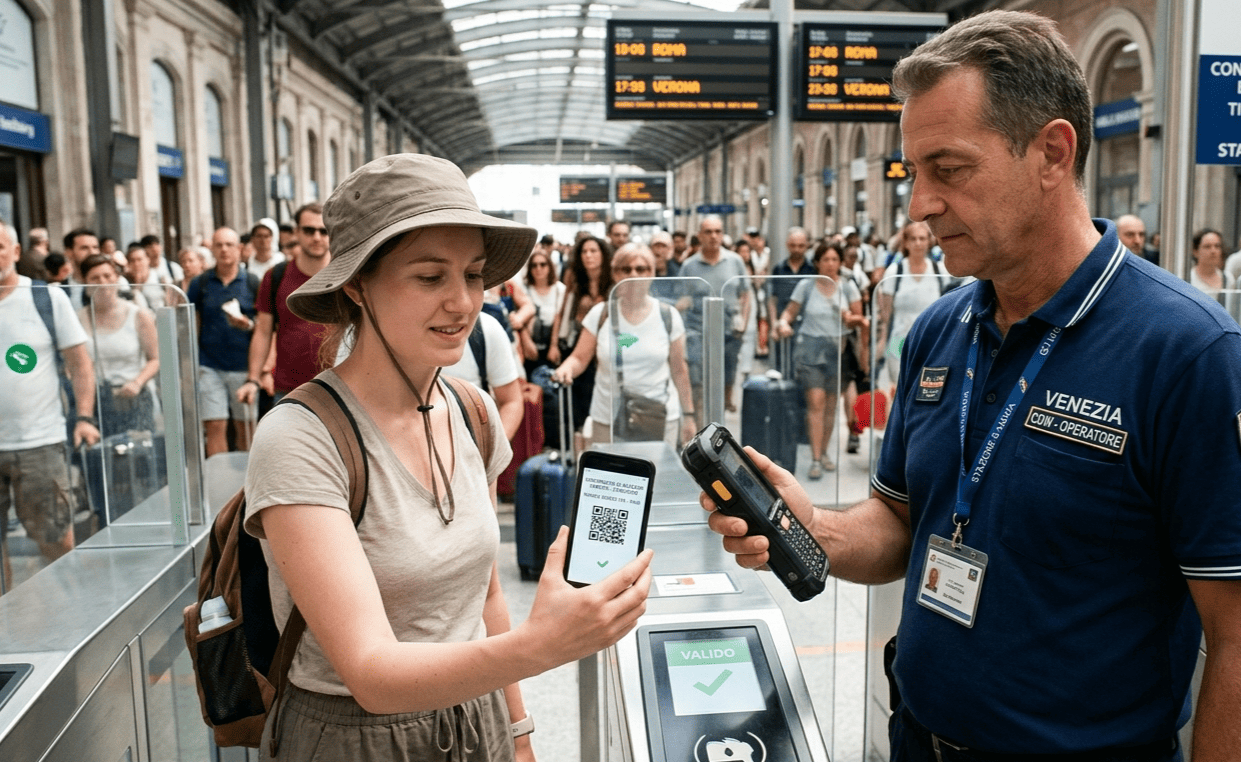
Failure to present a valid QR code to stewards patrolling major entry points—like the Venezia Santa Lucia railway station—will result in fines ranging from €50 to €300.
Legal Hurdles and Local Backlash
While the proposal has found favor with environmental organizations and heritage advocates, it faces significant domestic hurdles.
Because municipal codes are bound by national legal caps, Mayor Venturini cannot unilaterally enforce the €50 rate. The Venice administration is currently drafting a formal petition to present to the national government in Rome to amend state-level legislation.
Domestically, the backlash is mounting. Critics and opposition councillors argue that the astronomical fee threatens constitutional rights regarding freedom of movement. Former Venice Mayor Massimo Cacciari went as far as to brand the measure "barbaric," warning that it risks transforming a living, breathing historical city into an exclusive, high-priced theme park reserved only for wealthy elite travelers.
Monies raised from the elevated tax are intended to offset Venice's massive infrastructure upkeep, with trash removal and lagoon maintenance costing the city upwards of €100 million annually.