
Typhoon Jangmi Impacts and Regional Travel Disruption
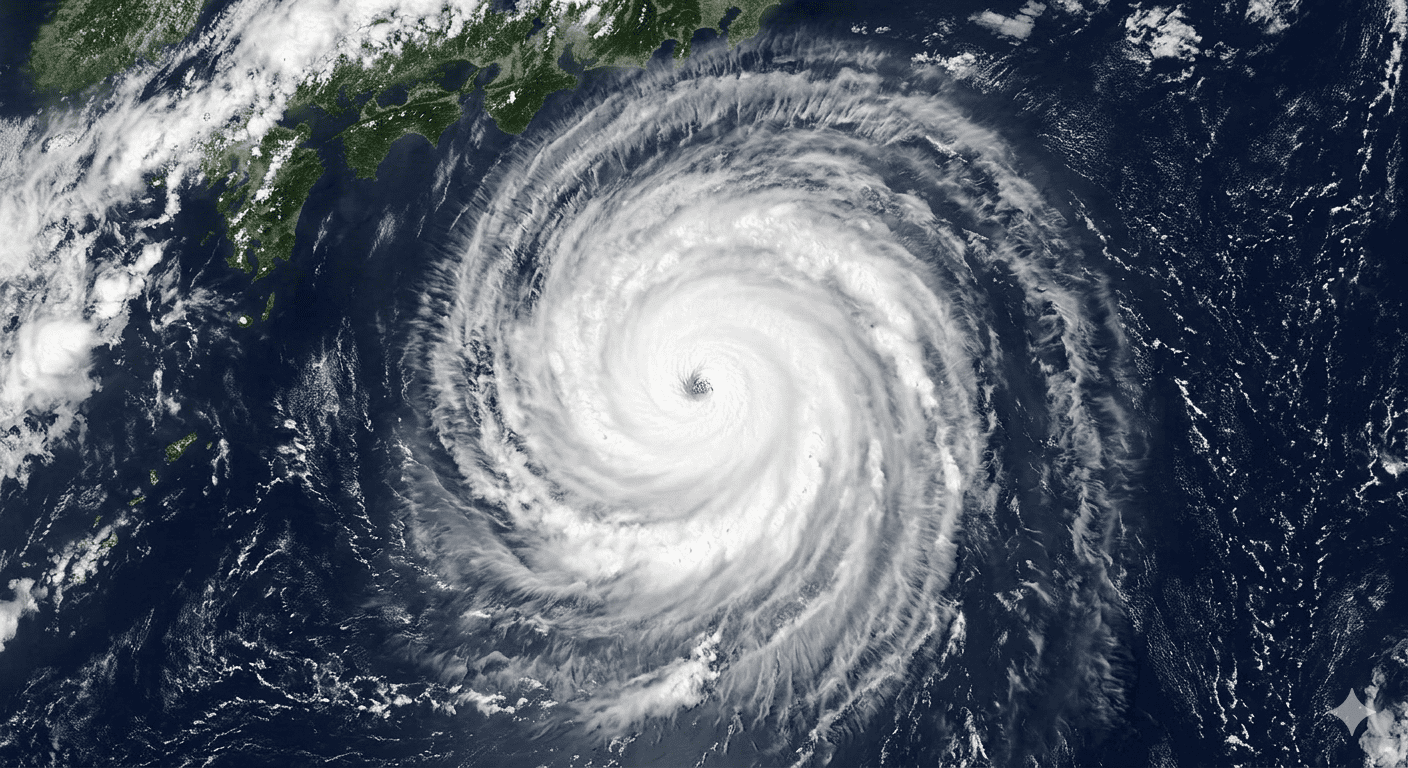
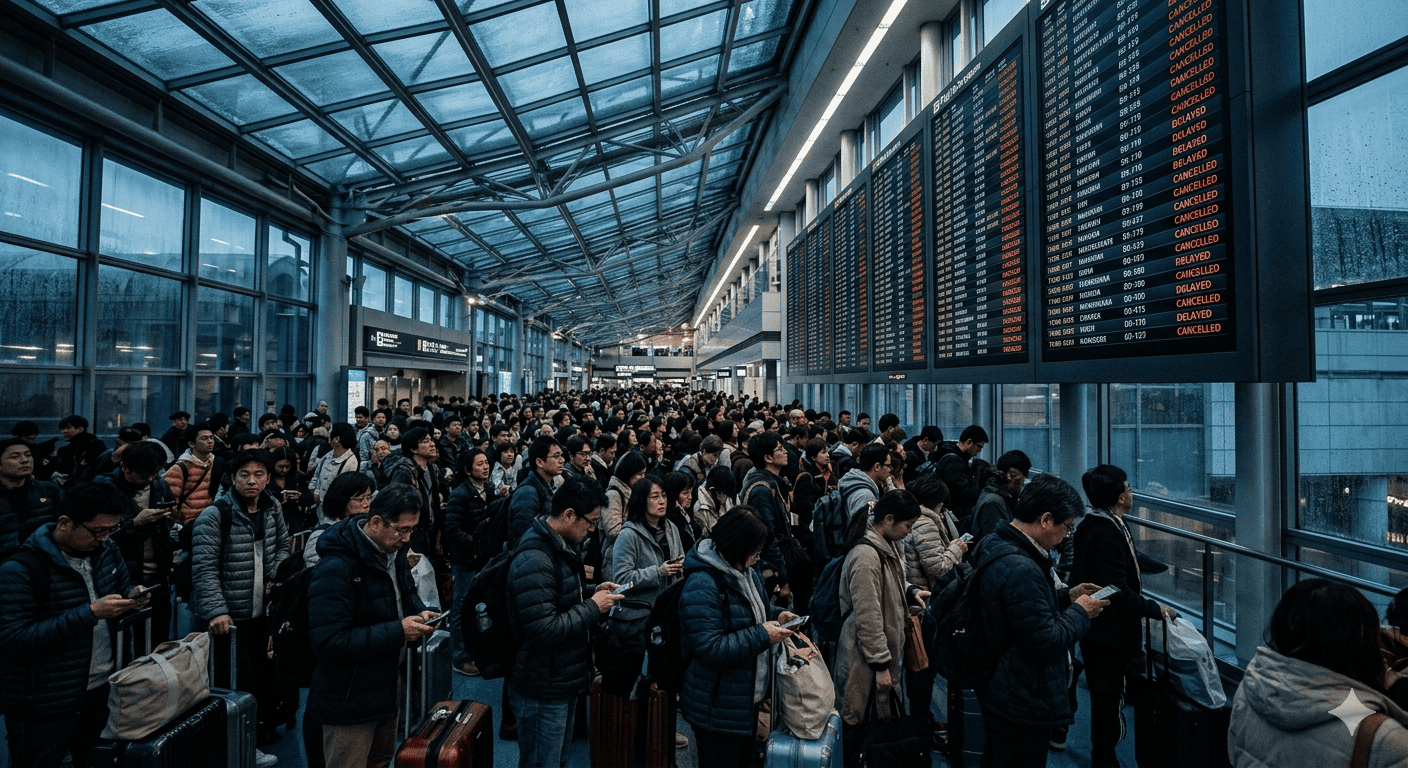
The sixth typhoon of the season has slammed into East Asia's vital aviation corridors, throwing international itineraries into a tailspin. Sweeping northward with destructive force, Typhoon Jangmi has triggered massive logistical bottlenecks, grounded hundreds of commercial flights, and left tens of thousands of summer travelers stranded across regional hubs.
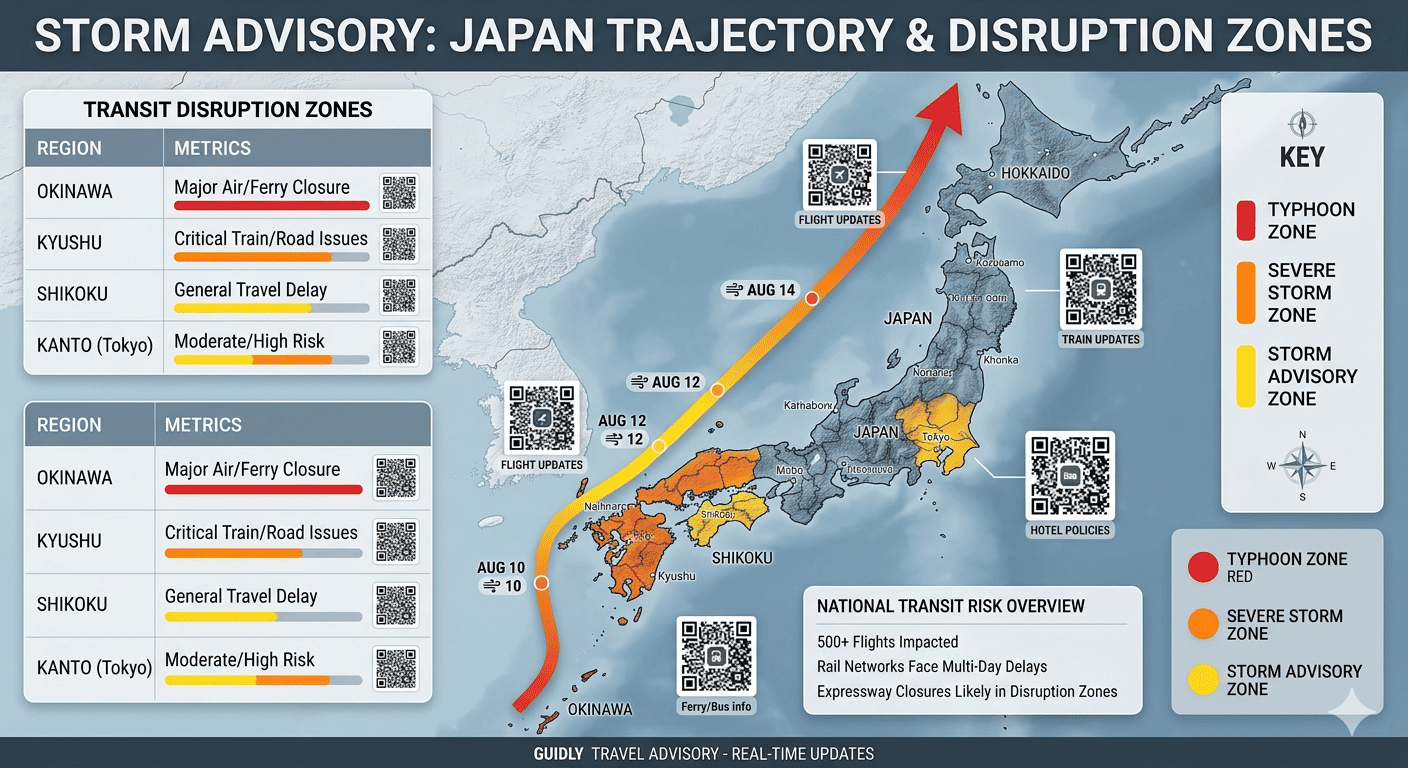
The powerful storm system began its disruptive run by battering Japan’s southern island prefecture of Okinawa, cutting power to roughly 48,000 households and knocking out operations at Naha Airport. As the low-level circulation center accelerates northeastward along the Pacific coast toward mainland Japan, the outer bands are merging with a stalled seasonal rain front, dropping a catastrophic 300 millimeters of rainfall within single 24-hour windows.
With the Japan Meteorological Agency issuing Level 4 flood danger warnings and urging widespread resident evacuations, the storm has effectively frozen commercial transit lines throughout the region.
Aviation Bottlenecks: Mass Cancellations Ground Regional Fleets
The primary source of travel chaos stems from an immediate cascade of airline schedule adjustments. Japan’s largest domestic and international carriers, including All Nippon Airways (ANA) and Japan Airlines (JAL), alongside regional low-cost carriers like HK Express, have been forced to pre-emptively cancel over 580 flights.
- Okinawa & Amami Island Shutdowns: Early-week flight schedules into Naha and Amami-Oshima were completely wiped out as gale-force wind gusts topping 126 kph made runway operations impossible.
- Mainland Disruptions Loom: As the storm tracks parallel to Kyushu, Shikoku, and the Kansai region, flight cancellations are systematically migrating north toward primary hubs serving Tokyo and Osaka.
- Cross-Border Ripple Effects: Major regional international connections—specifically routes linking Hong Kong, Taipei, and Seoul to southern Japanese tourist hotspots—have been suspended, stranding leisure travelers mid-journey.
Airlines warn that even as the storm is projected to transition into an extratropical cyclone later this week, severe aircraft and crew displacement will delay the restoration of normal flight schedules for several days.
Mainland Impact: Widespread Rail and Road Closures
The travel chaos is not restricted exclusively to the skies. Because Typhoon Jangmi is interacting with a stationary rainband, prolonged, torrential downpours are impacting critical ground infrastructure far ahead of the storm's core eye.
Local authorities have suspended numerous regional rail networks and high-speed Shinkansen routes across Kyushu and Shikoku due to localized track flooding and heightened landslide threats. Key expressways connecting major coastal industrial nodes have also implemented preventative closures to mitigate the dangers of storm surges and severe wind gusts.
Traveler Advisory: If your itinerary involves a connecting flight or an overland transfer anywhere along Japan's Pacific coast—including the greater Tokyo Kanto region—assume your connection is compromised. Standby availability is heavily limited due to peak season passenger loads, and alternative rail options are facing systemic delays.
Airline Rebooking and Passenger Protections
Unlike disruptions caused by infrastructure failures or strikes, weather-related events fall legally under "force majeure" or extraordinary circumstances. This means that while regional airlines are legally exempt from paying out fixed monetary compensation for missed time, strict consumer protection protocols still apply.
Major carriers operating throughout East Asia have initiated comprehensive, flexible change-fee waivers. Travelers holding tickets to affected areas within the current storm window can rebook onto alternative flights or claim full electronic travel vouchers without incurring penalties.
Essential Protocols for Stranded Travelers
For passengers currently caught in the Asia-Pacific transit gridlock, staying ahead of fast-moving operational changes requires automated tech solutions. Do not travel to the airport if your flight has been marked as canceled; instead, utilize your carrier's native mobile app to secure alternative routing or digital hotel accommodation vouchers.
Furthermore, ensure that all push notifications and contact info are current, as carriers are prioritizing automated SMS updates to manage the extreme volume of requests inundating terminal customer service desks. Navigating this severe Pacific storm safely requires patience, early routing changes, and constant monitoring of local weather bulletins.