Tourism Industry Sound the Alarm: Demands Grow for Jet Fuel Tax Relief Amid Global Supply Crunch
As the high-stakes travel season gets underway, a perfect storm of geopolitical conflict, skyrocketing operating costs, and fracturing consumer demand has forced the global tourism and aviation sectors into a corner.
Industry trade groups and airline coalitions worldwide are aggressively lobbying governments for temporary tax relief—specifically targeting aviation fuel taxes and passenger duties—in a desperate bid to stabilize skyrocketing airfares before discretionary summer travel collapses entirely.
The Catalyst: A Global Energy Shock
The current crisis traces its roots back to late February 2026, when intense geopolitical conflict in the Middle East severely disrupted major maritime trade arteries, including the vital Strait of Hormuz. The resulting energy supply shock effectively wiped out an estimated 40% of the globally traded jet fuel supply.
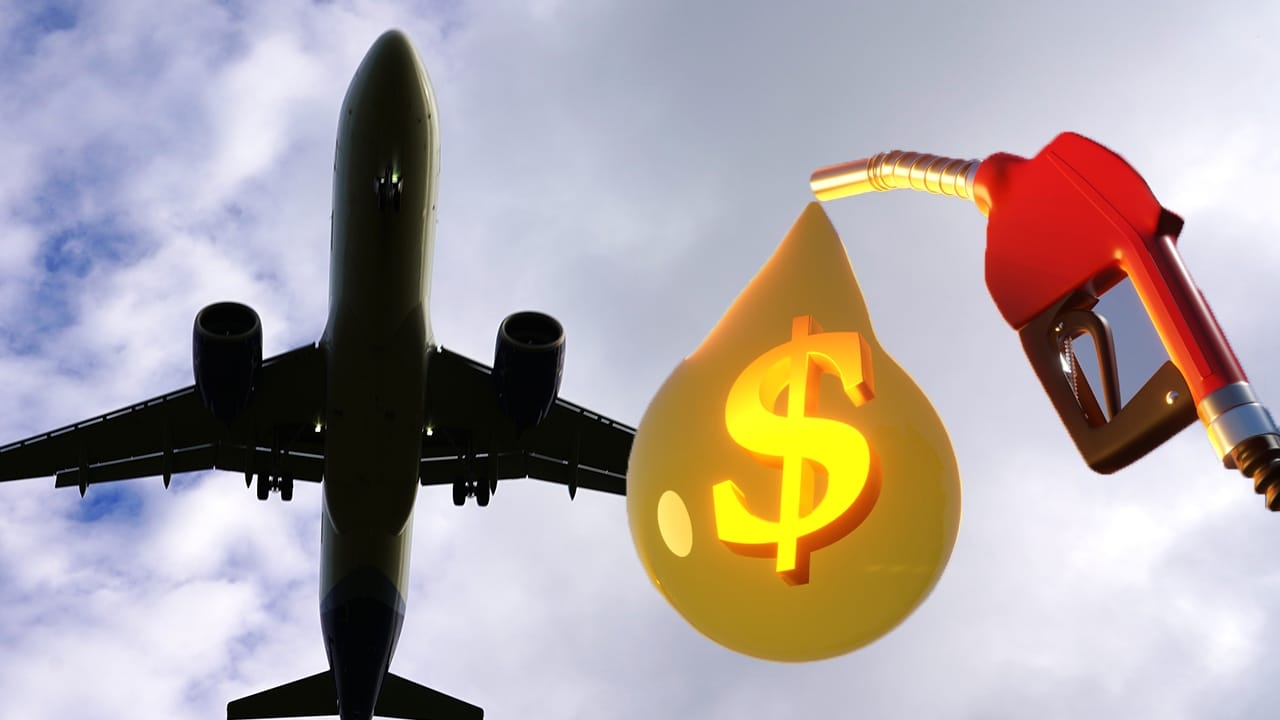
For commercial carriers, the consequences were immediate and devastating, causing jet fuel prices to double in a matter of weeks. Because fuel represents the single largest variable cost for airlines, executives have been left with few options: absorb multi-million dollar losses, aggressively slash flight schedules, or pass the financial burden directly onto the consumer.
Grounded Plans: Travel Demand Begins to Fracture
While initial spring projections hinted at a resilient consumer base, analysts warn that the sheer velocity of airfare hikes is finally triggering a severe demand-destruction loop:
Systemic Cancellations: To preserve fuel and mitigate unprofitable routes, carriers have preemptively axed hundreds of thousands of flights scheduled between March and October. Lufthansa alone announced it would pull 20,000 short-haul flights through the autumn.
The "Substitution Effect": Leisure travel is highly elastic. Confronted with steep ticket pricing, budget-conscious travelers are opting out of flying altogether, choosing localized road trips or "staycations" instead.
Collateral Damage to Local Economies: The pain is rapidly rippling out to broader tourism ecosystems. Smaller, tourism-dependent economies—such as Thailand, Colombia, Jordan, and the UAE—are reporting distinct anxieties regarding a sharp decline in international arrivals, affecting local hospitality, tour operators, and retail sectors.
The Industry Plight: What Carriers Are Demanding
Fearing a catastrophic summer drop-off, international aviation bodies are pleading with regulators to use fiscal policy as a safety net. Organizations like the Airlines Association of Thailand (AAT) and Airlines UK have formally petitioned their respective governments for immediate, targeted interventions:
1. Temporary Jet Fuel Excise Tax Cuts
Airlines are urging an immediate reduction or suspension of domestic fuel levies to directly lower the per-gallon cost of refueling, giving carriers breathing room to lower baseline ticket pricing.
2. Suspension of Aviation Passenger Duties (APD)
By lowering or suspending direct consumer-facing travel taxes, the industry hopes to artificially subsidize ticket costs and incentivize travelers to book flights despite the underlying fuel crisis.
3. Regulatory Operational Flexibility
Beyond tax breaks, airlines are asking for a temporary easing of strict airport slot rules (allowing them to park planes without losing future route access) and a suspension of carbon emissions trading scheme fees until fuel supply chains stabilize.
A Contentious Debate: Environment vs. Economic Survival
The tourism sector’s demand for tax cuts has reignited a fierce structural debate with climate policymakers and environmental NGOs.
For decades, international aviation has enjoyed a highly privileged tax status, with jet fuel utilized for international flights largely exempt from domestic fuel duties and VAT under reciprocal bilateral agreements. Environmental coalitions argue that rolling back aviation taxes violates the fundamental "polluter pays" principle. They insist that the current fuel crunch should instead serve as a radical tipping point to accelerate investment into Sustainable Aviation Fuel (SAF) and phase out reliance on volatile fossil fuel markets entirely.
However, for destination economies staring down a bleak summer season, long-term environmental targets offer little comfort for immediate financial shortfalls.
"Increasing airfares is almost inevitable, but higher prices will definitively destroy summer demand," noted one prominent industry executive. "Without swift tax intervention, the damage to the broader global tourism economy will outlast the fuel shortage itself."