
The World's Most Beautiful Natural Wonders You Must Visit

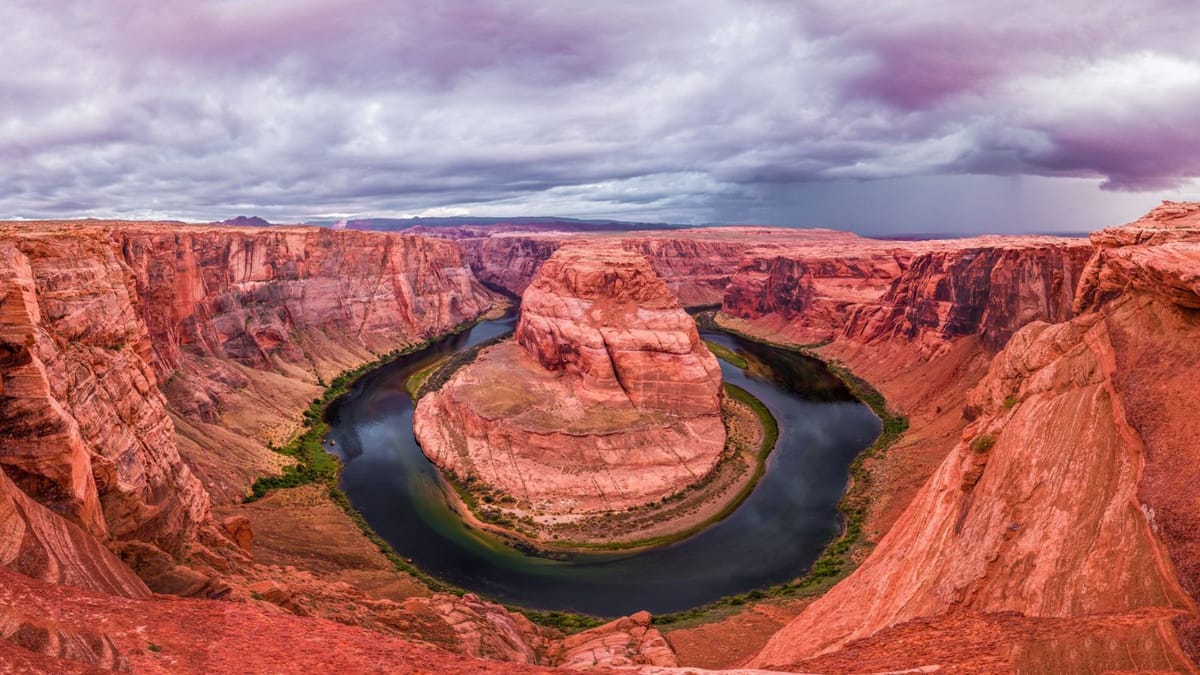
Nature has an extraordinary ability to inspire, amaze, and remind us of the incredible diversity of our planet. From towering waterfalls and majestic mountain ranges to vibrant coral reefs and ancient forests, the Earth's natural wonders attract millions of travelers every year. These breathtaking destinations are more than just scenic landscapes—they are living masterpieces shaped by millions of years of geological activity, climate, and natural evolution.
Whether you are an adventure enthusiast, a photographer, a wildlife lover, or simply someone seeking unforgettable experiences, visiting the world's most beautiful natural wonders should be on your travel bucket list. Each destination offers its own unique beauty, fascinating history, and opportunities to connect with nature in meaningful ways.
In this guide, we explore ten of the world's most spectacular natural wonders that deserve a place on every traveler's itinerary.
1. The Grand Canyon – A Geological Masterpiece
Carved over millions of years by the mighty Colorado River, the Grand Canyon stands as one of the most impressive natural landmarks on Earth. Stretching for hundreds of miles, its colorful rock layers reveal nearly two billion years of geological history.
Visitors can enjoy panoramic viewpoints, challenging hiking trails, helicopter tours, river rafting adventures, and unforgettable sunsets that transform the canyon walls into brilliant shades of red, orange, and gold.
Wildlife such as bighorn sheep, California condors, and mule deer add another dimension to the experience, making every visit unique.
Best time to visit: Spring and autumn for comfortable temperatures and fewer crowds.
2. Victoria Falls – The Smoke That Thunders
Known locally as "The Smoke That Thunders," Victoria Falls is among the largest and most spectacular waterfalls in the world. During peak water flow, millions of liters of water plunge dramatically into the gorge below, creating mist visible from miles away.
The surrounding rainforest thrives because of the constant spray, providing a lush environment filled with unique plants and wildlife.
Visitors can enjoy:
- Scenic helicopter flights
- White-water rafting
- Bungee jumping
- Sunset river cruises
- Guided walking tours
The sheer power and beauty of the falls leave a lasting impression on everyone who visits.
3. The Great Barrier Reef – An Underwater Paradise
The Great Barrier Reef is the largest coral reef ecosystem on the planet and one of the richest marine habitats ever discovered. Stretching for thousands of kilometers, it contains thousands of individual reefs and countless marine species.
Divers and snorkelers encounter colorful coral gardens, sea turtles, dolphins, manta rays, reef sharks, and hundreds of tropical fish species.
Beyond recreation, the reef serves as a vital ecosystem that supports marine biodiversity and protects coastlines from erosion.
Responsible tourism plays an important role in preserving this fragile natural treasure for future generations.
4. Mount Everest – The Roof of the World
Standing higher than any other mountain on Earth, Mount Everest represents the ultimate challenge for climbers and an incredible destination for trekkers.
While only experienced mountaineers attempt the summit, thousands of visitors each year complete the famous trek to Everest Base Camp, enjoying breathtaking Himalayan scenery along the way.
The journey introduces travelers to:
- Snow-covered peaks
- Ancient monasteries
- Traditional mountain villages
- Rich local culture
- Spectacular sunrise views
The combination of natural beauty and cultural heritage makes this region unforgettable.
5. The Amazon Rainforest – Earth's Green Heart
Covering millions of square kilometers, the Amazon Rainforest is the largest tropical rainforest on the planet. Often referred to as the "lungs of the Earth," it produces significant amounts of oxygen while storing enormous quantities of carbon.
The rainforest is home to:
- Jaguars
- Pink river dolphins
- Sloths
- Macaws
- Poison dart frogs
- Thousands of plant species
Visitors can explore the forest by boat, hike with expert guides, visit indigenous communities, and observe wildlife found nowhere else.
Every journey into the Amazon offers a deeper appreciation for the importance of environmental conservation.
6. Aurora Borealis – Nature's Greatest Light Show
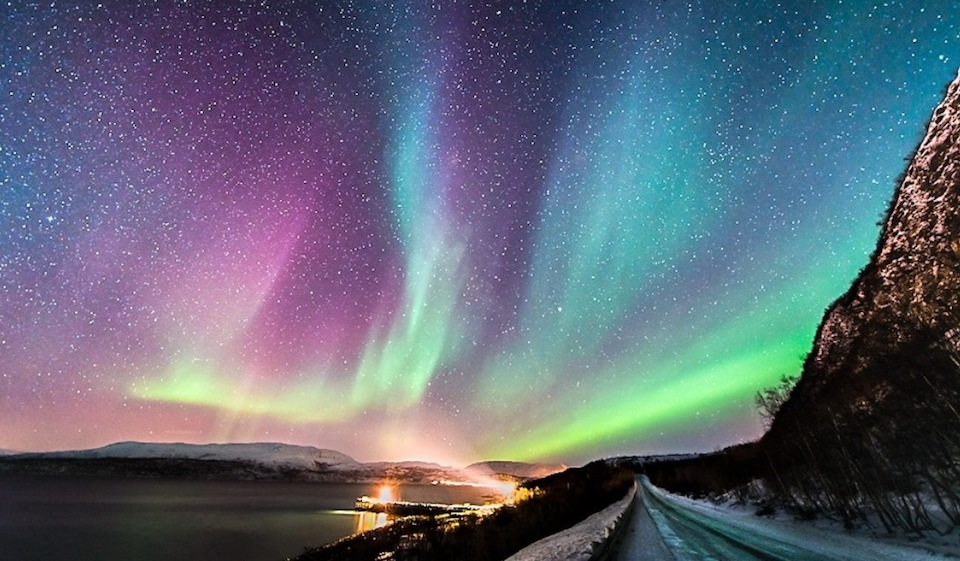
The Aurora Borealis, or Northern Lights, is one of the most magical natural phenomena on Earth. Caused by charged particles from the sun interacting with Earth's atmosphere, these colorful lights dance across the night sky in shades of green, purple, pink, and blue.
Watching the aurora is an unforgettable experience that combines science with pure wonder.
Popular viewing activities include:
- Glass igloo stays
- Dog sledding
- Snowmobile tours
- Ice fishing
- Winter photography
Clear skies and minimal light pollution provide the best viewing conditions.
7. The Sahara Desert – Endless Golden Landscapes
The Sahara is the world's largest hot desert, stretching across much of North Africa. Its vast dunes, rocky plateaus, and dramatic sunsets create landscapes unlike anywhere else.
Despite its harsh conditions, the desert supports unique wildlife and centuries-old cultures that have adapted remarkably to the environment.
Visitors often enjoy:
- Camel trekking
- Desert camping
- Stargazing
- Sandboarding
- Visits to ancient oases
Nighttime in the Sahara reveals one of the clearest star-filled skies on Earth.
8. Iguazu Falls – A Symphony of Water
Located between Argentina and Brazil, Iguazu Falls consists of hundreds of waterfalls spread across a wide subtropical landscape.
Wooden walkways allow visitors to experience the falls from multiple perspectives, including viewpoints that bring them remarkably close to the roaring water.
The surrounding rainforest supports an extraordinary variety of wildlife, including colorful birds, butterflies, monkeys, and exotic plants.
Boat tours provide an exhilarating way to witness the immense power of the waterfalls up close.
9. Yellowstone – A Land of Fire and Ice
Yellowstone is famous for its geothermal activity, including erupting geysers, bubbling hot springs, colorful mineral pools, and steaming fumaroles.
The park is equally celebrated for its wildlife, including:
- Bison
- Wolves
- Bears
- Elk
- Bald eagles
Visitors can hike scenic trails, drive through beautiful valleys, photograph dramatic landscapes, and observe wildlife in its natural habitat.
Every season offers a completely different perspective of this remarkable destination.
10. The Galápagos Islands – Nature's Living Laboratory
Few places on Earth have influenced science as profoundly as the Galápagos Islands. Their isolated ecosystems inspired groundbreaking ideas about evolution and continue to captivate researchers and travelers alike.
Visitors encounter animals that show little fear of humans, creating extraordinary wildlife viewing opportunities.
Highlights include:
- Giant tortoises
- Marine iguanas
- Blue-footed boobies
- Sea lions
- Penguins
- Crystal-clear waters ideal for snorkeling
Strict conservation measures help preserve the islands' unique biodiversity for future generations.
Why Natural Wonders Matter
Natural wonders are more than beautiful destinations—they are essential ecosystems that support life, regulate climate, protect biodiversity, and preserve Earth's geological history.
Tourism, when managed responsibly, can contribute to conservation efforts by generating funding for protected areas and encouraging local communities to preserve their natural heritage.
Travelers can make a positive impact by:
- Respecting local regulations
- Avoiding littering
- Staying on designated trails
- Supporting local businesses
- Choosing eco-friendly accommodations
- Minimizing plastic waste
- Respecting wildlife and natural habitats
Small actions by millions of visitors can make a significant difference.
Tips for Planning Your Nature Adventure
Before visiting any natural wonder, careful planning ensures a safer and more enjoyable experience.
Research the best season for your destination, monitor weather conditions, pack appropriate clothing, carry sufficient water, and invest in good hiking shoes if outdoor activities are involved.
Travel insurance, reusable water bottles, sunscreen, insect repellent, and a quality camera are valuable additions to your packing list.
Most importantly, approach each destination with respect and curiosity. Nature rewards those who appreciate it responsibly.
Conclusion
The world's natural wonders showcase the extraordinary beauty, diversity, and resilience of our planet. Whether standing on the edge of a vast canyon, diving among vibrant coral reefs, trekking through ancient rainforests, or watching the Northern Lights illuminate the sky, these experiences create memories that last a lifetime.
Traveling to these remarkable places is about more than checking destinations off a list. It is an opportunity to understand Earth's natural history, support conservation efforts, connect with different cultures, and gain a renewed appreciation for the world around us.
As you plan your future adventures, consider including some of these breathtaking natural wonders on your itinerary. Each one offers a unique story, unforgettable scenery, and a reminder that the greatest masterpieces are often those created by nature itself.