
The Gulf Reopens: UK Lifts Travel Warning on UAE, Sparking Major Tourism Rebound
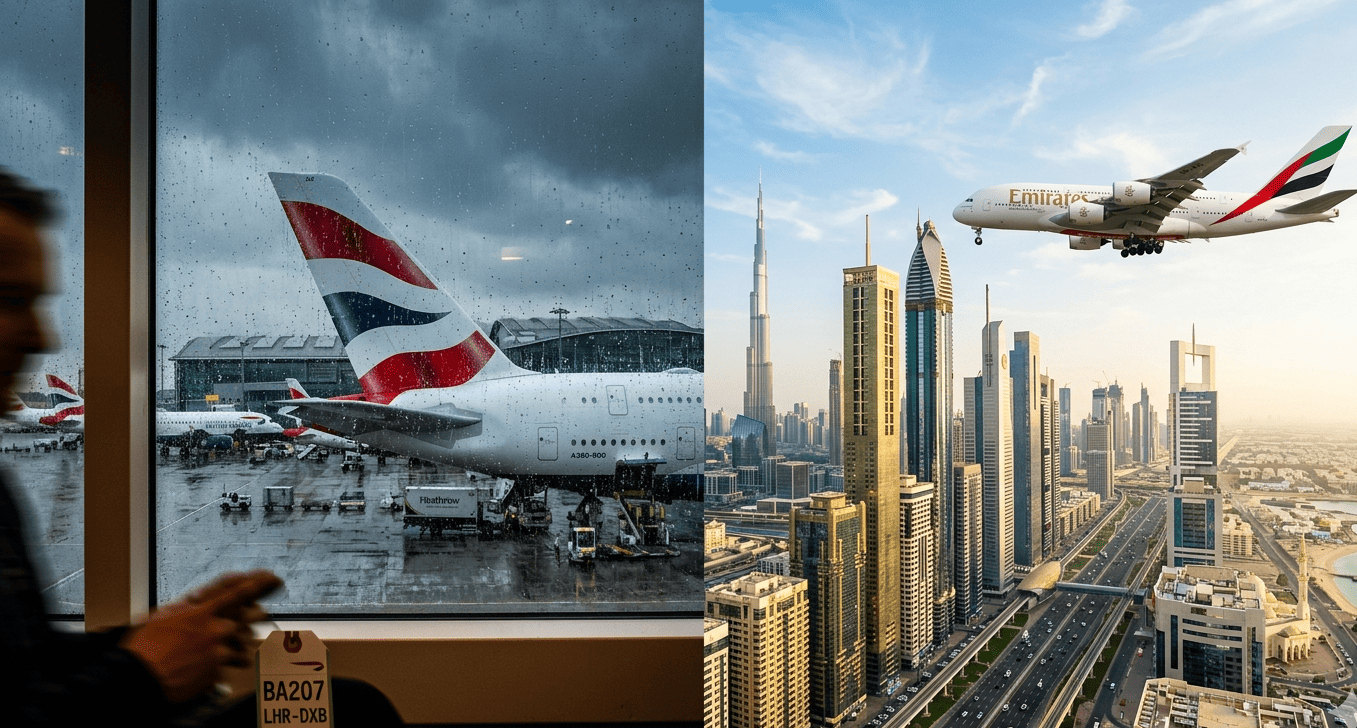
In what travel insiders are calling the most critical regulatory breakthrough for Middle Eastern tourism this year, the United Kingdom has officially scrapped its sweeping restrictions on travel to the United Arab Emirates.
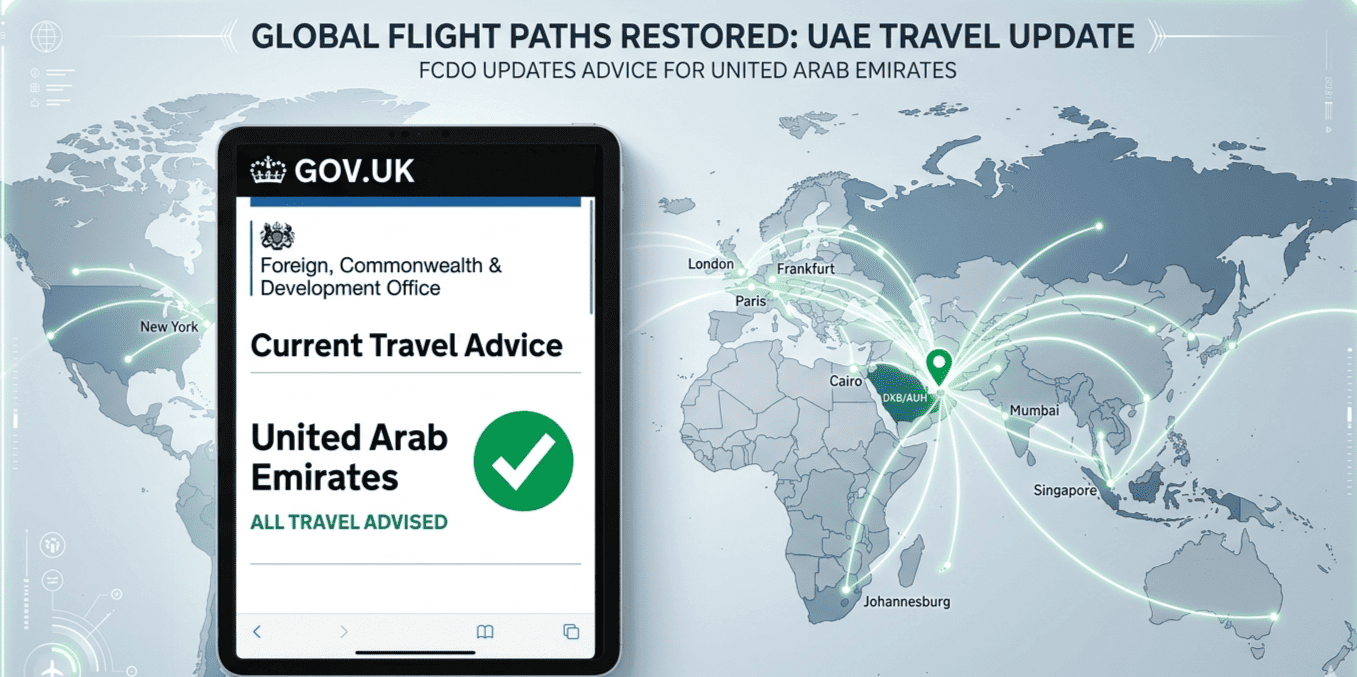
The British Foreign, Commonwealth and Development Office (FCDO) radically updated its safety guidelines, explicitly stating it "no longer advises against all but essential travel to the UAE." The policy change extends to other key regional hubs, officially lifting blanket travel bans for Qatar, Bahrain, and Kuwait.
The relaxation of travel advice follows a major diplomatic breakthrough aimed at bringing stability back to intense regional friction. For global travelers and aviation giants, the move effectively unlocks one of the most heavily trafficked international corridors just in time for the peak holiday season.
Why the Lifting of "All But Essential" Travel Warnings Matters
To the everyday holidaymaker, travel advisories might sound like bureaucratic background noise. To the travel industry, they are absolute contracts.
When the FCDO slapped a blanket "all but essential" warning on the UAE earlier this year following regional tensions, it practically crippled outbound tourism.
- The Insurance Nightmare: A standard "do not travel" or "essential travel only" advisory instantly voids almost all commercial travel insurance policies. Holidaymakers who chose to fly anyway did so at their own catastrophic financial risk.
- The Transit Confusion: Because the previous FCDO restrictions included airport transit, thousands of British passengers heading to Asia or Australia suddenly faced immense confusion about whether they could legally step foot inside Dubai International Airport or Abu Dhabi International.
By completely removing this warning, the UK government has restored absolute legal and financial certainty. Standard travel insurance policies are once again valid for trips to Dubai and Abu Dhabi, removing the single greatest barrier holding back British bookings.
"The News We’ve Been Waiting For": Travel Leaders React
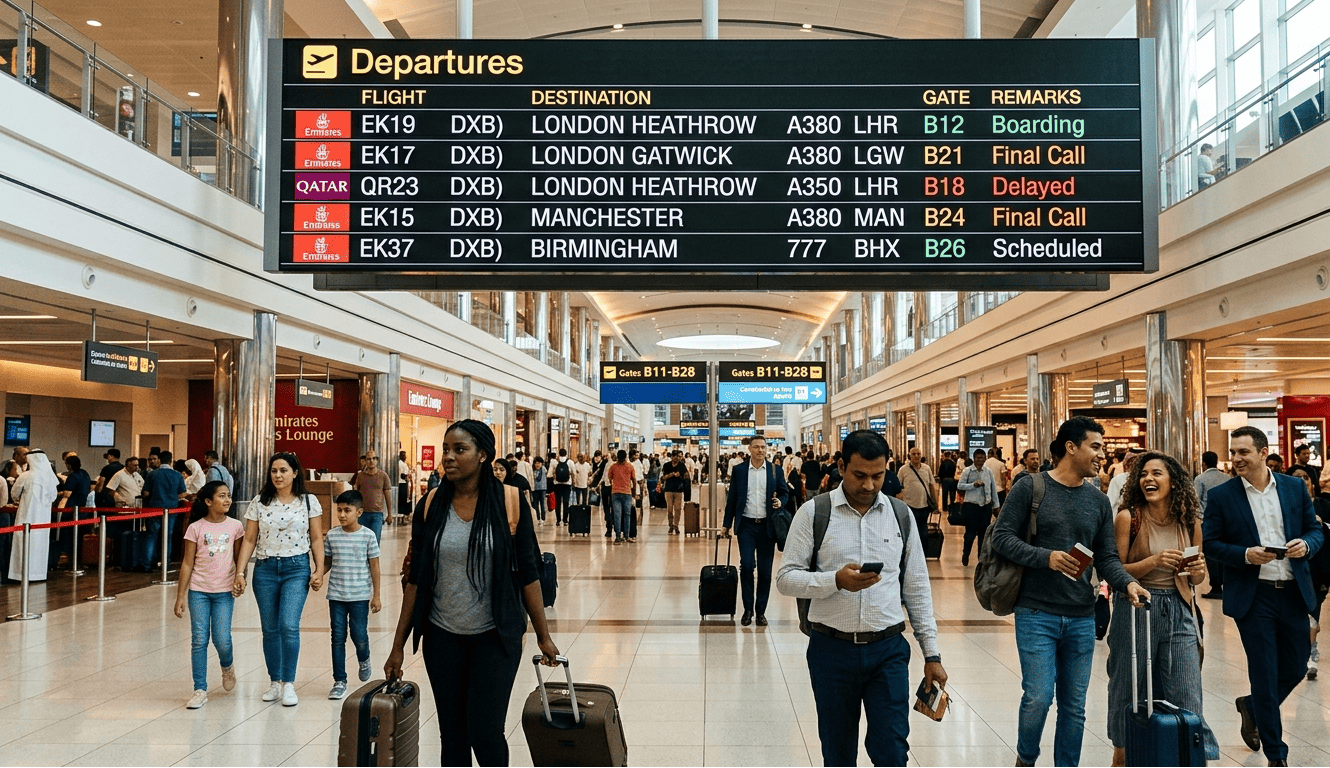
The response from travel associations and holiday operators has been overwhelmingly positive, mixed with a collective sigh of relief.
Travelers have been delaying booking their holidays because they wanted to see how regional tensions would resolve. With the advisory finally dropped, the market is primed to reopen broadly.
Dubai, Abu Dhabi, and the wider Emirates have always been among the most in-demand destinations for British travellers. For consumers, this regulatory shift means certainty: confidence to book and confidence to travel.
However, some industry leaders pointed out the collateral economic damage caused by the blunt nature of modern travel warnings. Entirely safe, operational destinations like Dubai are often unfairly swept up in regional events, prompting calls from sector executives for a more nuanced and agile approach from governments in the future.
Will Flights Instantly Return to Normal?
While the legal pathways are clear, operational recovery may take time. The recent regional friction radically reshaped flight paths.
While home-grown giants like Emirates Airline boldly continued flying through the crisis, Western carriers pulled back aggressively. British Airways and Virgin Atlantic had previously suspended or reduced frequencies to the region due to insurance and safety recalibrations.
Industry insiders anticipate that with the FCDO ban lifted, Western airlines will face immense commercial pressure to rapidly accelerate their return schedules to tap into massive pent-up demand.
Furthermore, Gulf carriers have spent weeks preparing for this moment. Emirates Airline recently rolled out an unprecedented "Conflict Protection Insurance" policy to soothe anxious travelers, while Etihad Airways launched updated health and safety guarantees for arriving visitors. Airline leadership has noted that the easing of government travel warnings would be the ultimate catalyst to bring international travelers back into the fold.
What Travelers Need to Know
Despite the celebratory tone across travel agencies, the UK Foreign Office is still urging a baseline degree of caution as standard procedure.
British nationals traveling to the UAE are advised to:
- Monitor closely: Constantly keep an eye on local and international media for sudden security updates.
- Follow instructions: Pay strict attention to guidance issued by local UAE authorities.
- Keep plans flexible: Review departure details and ensure travel documents remain perfectly up to date.
For now, the gates to the Gulf are wide open again. For an outbound UK travel sector heavily reliant on the lucrative, sun-soaked destinations of Dubai and Abu Dhabi, the timing could not be more perfect.