The Analog Escape: Why Millions of Travelers Are Choosing Memory Over Novelty in 2026

In an era dominated by hyper-optimized AI itineraries, smart-recommendation travel apps, and perfectly curated social media feeds, a quiet rebellion is taking place across the global travel industry. Travelers aren't looking for the newest, loudest, or most technologically advanced destinations anymore. Instead, they are packing their bags and heading backward in time.
Nostalgia travel has officially solidified its spot as one of the fastest-growing travel trends of 2026.
According to recent data from Booking.com, roughly 46% of travelers are consciously choosing destinations that evoke a deep sense of youthfulness, home, or personal history. Meanwhile, data from Tripadvisor’s Bókun reveals that global Google searches for "nostropic" or "nostalgic travel" have skyrocketed to an all-time high, registering a massive 3,174% surge compared to previous years.
This isn't just a minor blip on the radar—it is a fundamental restructuring of what we want out of a vacation.
The Rise of the "Kidcation" and "Nowstalgia"
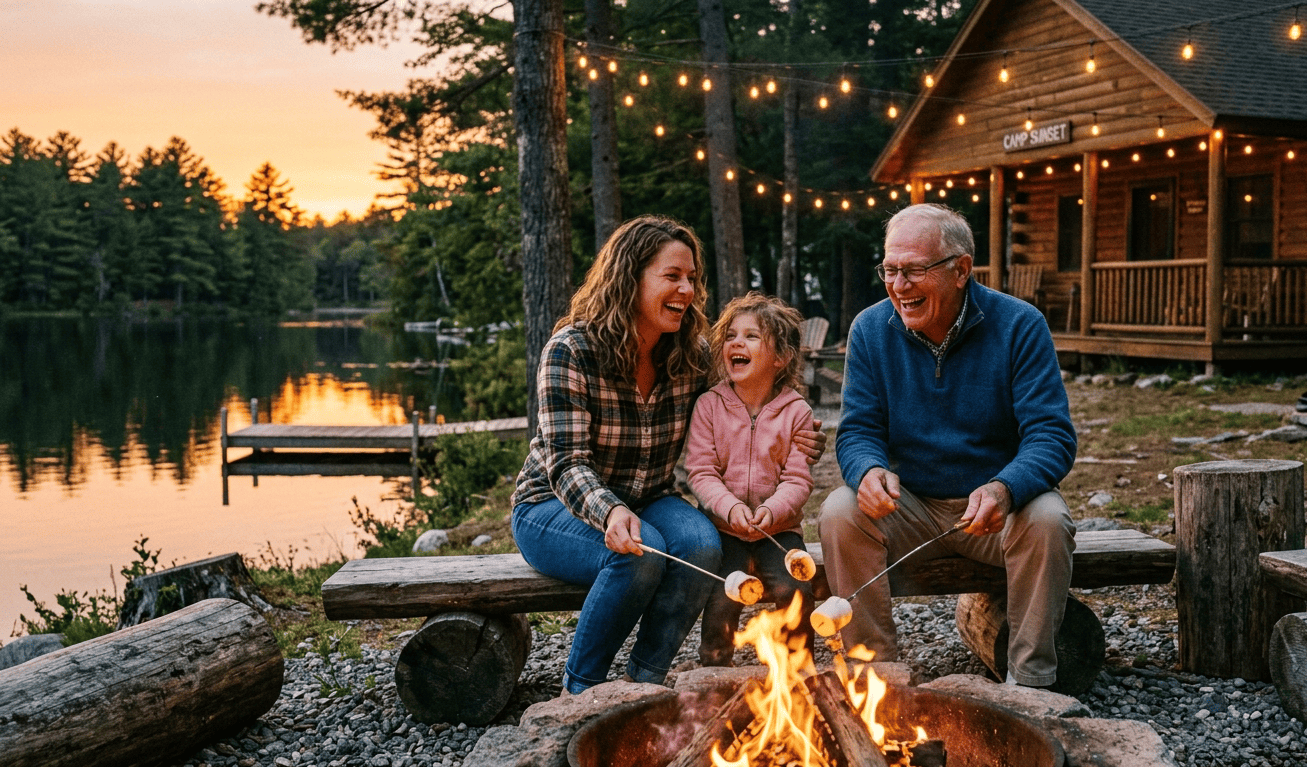
The industry has coined a new term for this phenomenon: "Kidcations." It refers to adults deliberately seeking out experiences that tap into childhood joy, innocence, and analog adventure. Travelers are shunning standard resort packages to book retro treehouse stays, outdoor camping trips, roller-skating workshops, and vintage arcade experiences. In fact, Google searches for "campfire experiences" alone spiked by 1,100% over the last year.
What makes the 2026 nostalgia wave unique, however, is a sub-trend experts are calling "Nowstalgia."
Historically, nostalgia operated on a 20-to-30-year cultural cycle. But the warp-speed nature of the digital world has collapsed that timeline. Today, younger generations are feeling intensely homesick for eras that weren't actually that long ago.
While Gen Z finds comfort in the simplicity of the early digital era around 2012, Millennials yearn for the peak monoculture of 2006. Gen X, conversely, often seeks out the pre-smartphone authenticity of 1996, while Baby Boomers remain most connected to the classic family road trips and heritage tracking popular in the mid-1980s. Each group is motivated by a unique version of a past they perceive as simpler.
Why Is Everyone So Homesick?
Travel has always been a mechanism for escape, but the current pivot toward memory over novelty is deeply tied to collective mental burnout.
When surveyed about what is driving their choice of retro destinations, 43% of travelers stated a simple desire to "return to a happier time," while 41% are seeking a psychological sense of comfort. Another 35% explicitly view nostalgia trips as a form of proactive mental health management, using familiarity as a shield against a chaotic global news cycle.
In a market saturated with frictionless, automated luxury, the real luxury has become presence. Travelers are opting out of hyper-curated, algorithmic recommendations to focus on the simple, tactile joys of classic travel—barefoot coastal walks, long dinners without phones, and sharing childhood holiday traditions with their own kids.

How the Hospitality Industry Is Capitalizing
Hotel groups, tour operators, and destination marketers are completely retooling their offerings to align with this shift toward emotional connection.
Properties like the Evermore Orlando Resort are seeing massive influxes of multi-generational families booking mega-residences that accommodate up to 32 guests. These legacy properties are heavily leaning into retro activities, offering beachside movie nights, bonfire s'mores, and vintage rope swings.
Over in Europe, the trend has manifested as "Neo-Nostalgia." Heritage hotels and classic, historic travel routes are being meticulously restored for younger consumers. In Italy, slow-travel operators are pairing old-world glamorous rail journeys with modern, carbon-neutral infrastructure, allowing travelers to experience the golden age of European train travel without the environmental guilt.
Ultimately, the roaring success of nostalgia travel proves that a destination is no longer just a coordinate on a map. In 2026, the most valuable luxury an airline, hotel, or travel advisor can sell you isn't a ticket to somewhere new—it's a way back to yourself.