
Technology in Tourism: Transforming the Way We Travel

Technology has revolutionized nearly every aspect of modern life, and the tourism industry is no exception. From planning a vacation to sharing travel experiences online, digital innovation has made traveling more accessible, efficient, and personalized than ever before. As technology continues to evolve, it is reshaping how travelers explore destinations while helping tourism businesses deliver higher-quality services and memorable experiences.
One of the most significant changes technology has brought to tourism is the convenience of online trip planning. Travelers can now research destinations, compare prices, read customer reviews, and book flights, hotels, and activities within minutes using websites and mobile applications. This level of accessibility has reduced the reliance on traditional travel agencies and empowered travelers to customize their itineraries according to their preferences, budgets, and schedules.
Artificial intelligence (AI) has become an important tool in enhancing the travel experience. AI-powered chatbots provide instant customer support by answering questions, recommending destinations, and assisting with bookings at any time of the day. Many travel platforms also use AI algorithms to analyze user preferences and offer personalized recommendations for accommodations, attractions, and activities, making travel planning more efficient and enjoyable.
Mobile technology has significantly improved convenience throughout every stage of a journey. Smartphones serve as digital travel companions by providing access to boarding passes, navigation services, currency converters, language translation tools, and real-time travel updates. Mobile payment systems and digital wallets have further simplified transactions, allowing travelers to make secure payments without carrying large amounts of cash.
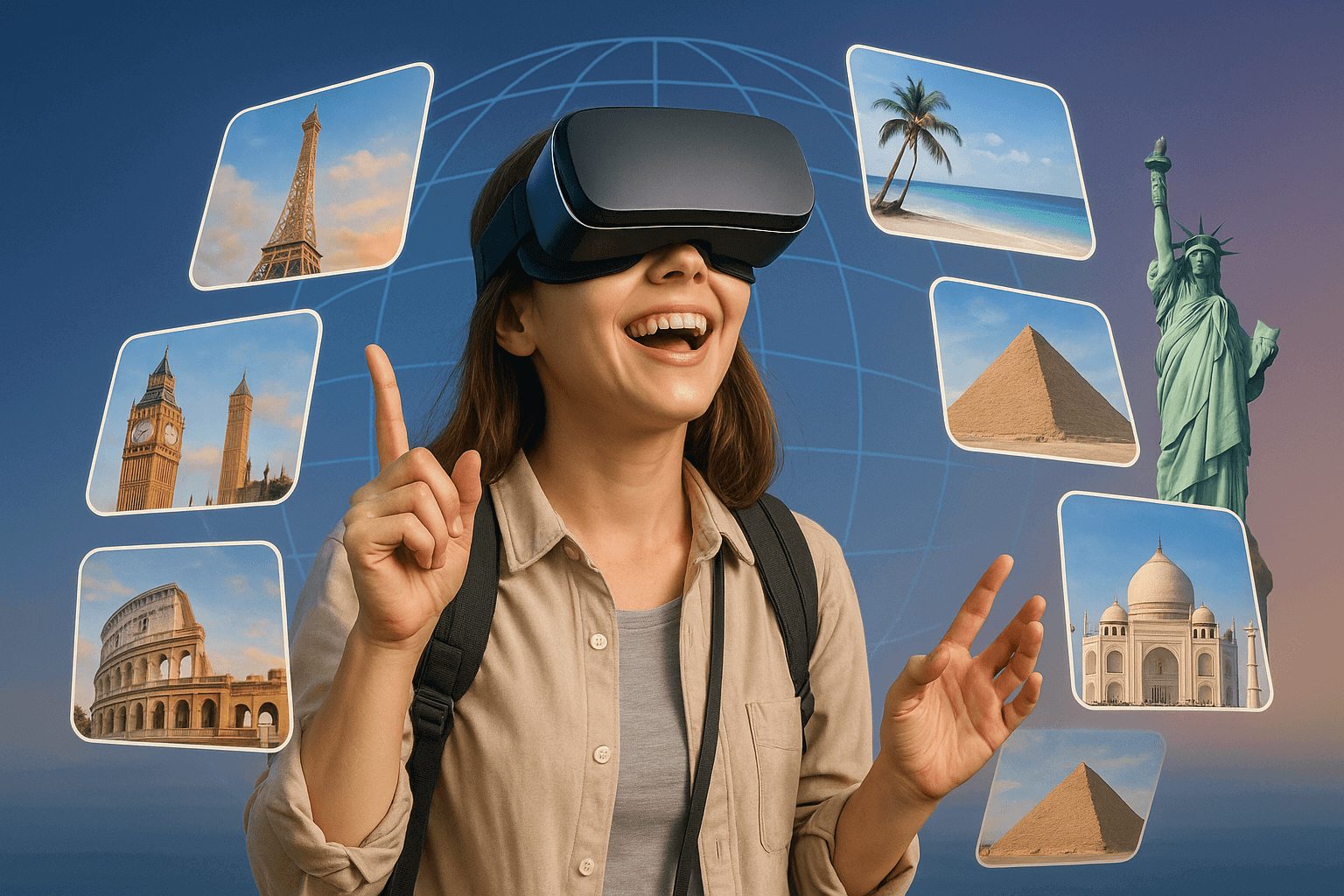
Virtual reality (VR) and augmented reality (AR) are introducing new ways for people to experience destinations before and during their trips. Virtual tours enable potential visitors to explore hotels, museums, historical landmarks, and tourist attractions from anywhere in the world before making travel decisions. During visits, augmented reality applications enrich the travel experience by displaying historical information, interactive maps, and multimedia content through smartphones or smart glasses.
The tourism industry also benefits from the use of big data and predictive analytics. Tourism organizations collect and analyze large amounts of information to understand customer behavior, forecast travel trends, and improve marketing strategies. Airlines, hotels, and destination managers can use these insights to optimize pricing, manage demand during peak seasons, and provide services that better meet customer expectations.
Social media platforms have become powerful marketing tools for destinations and tourism businesses. Travelers regularly share photos, videos, and reviews that inspire others to visit new places. Influencers, travel bloggers, and content creators play a significant role in promoting destinations by showcasing authentic experiences to global audiences. At the same time, tourism organizations use social media to engage with travelers, promote special offers, and build strong brand recognition.
Technology has also contributed to improving safety and security in tourism. GPS tracking, emergency alert systems, digital health records, and contactless technologies help travelers navigate unfamiliar environments with greater confidence. During global health emergencies, digital vaccination certificates, online health declarations, and contactless check-in systems demonstrated how technology could support safer travel while reducing physical interactions.
Despite its many advantages, technology also presents several challenges for the tourism industry. Cybersecurity threats, data privacy concerns, and the digital divide remain important issues that require continuous attention. Businesses must invest in secure systems to protect customer information while ensuring that technological advancements remain accessible to travelers from different backgrounds and regions.

Looking ahead, emerging technologies such as the Internet of Things (IoT), blockchain, autonomous transportation, and advanced AI systems are expected to further transform tourism. Smart hotels, intelligent airports, and connected destinations will continue to improve operational efficiency while providing travelers with more seamless, personalized, and sustainable experiences.
In conclusion, technology has become a driving force behind the transformation of the global tourism industry. It has simplified travel planning, enhanced customer experiences, improved operational efficiency, and opened new opportunities for innovation. As digital technologies continue to advance, the tourism sector must embrace these developments while addressing challenges related to security, privacy, and accessibility. By balancing innovation with responsible implementation, technology will continue to shape a smarter, more connected, and more enjoyable future for travelers around the world.