Shifting Tides: North Africa Emerges as a Fast-Growing Mediterranean Tourism Hub

The tourism landscape of the Mediterranean is undergoing a major geographical shift. While Southern Europe has traditionally dominated summer vacation itineraries, countries along the northern coast of Africa are rapidly climbing the ranks.
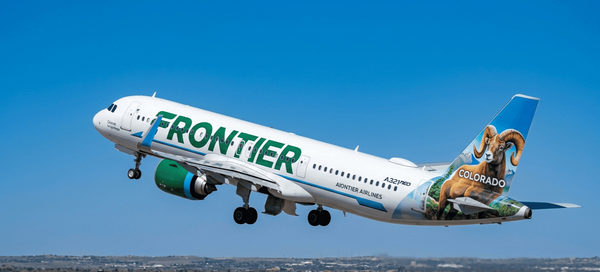
Driven by multi-billion-dollar infrastructure investments, expanded low-cost flight routes, and a global traveler preference for closer, highly diverse alternatives, North Africa has firmly established itself as the Mediterranean’s fastest-growing travel corridor.
According to the latest data from UN Tourism, international arrivals to North Africa experienced a remarkable surge in early 2026, headlined by a massive 18% spike in arrivals. As travelers look to maximize their budgets while seeking unique cultural experiences, three regional powerhouses are leading the charge: Morocco, Egypt, and Tunisia.
Morocco: Africa’s Outperforming Tourism Leader
Morocco has officially broken records to become the most visited country on the African continent. In the first quarter of 2026 alone, the kingdom welcomed over 4.3 million international visitors, marking a staggering 24% jump in tourism receipts.
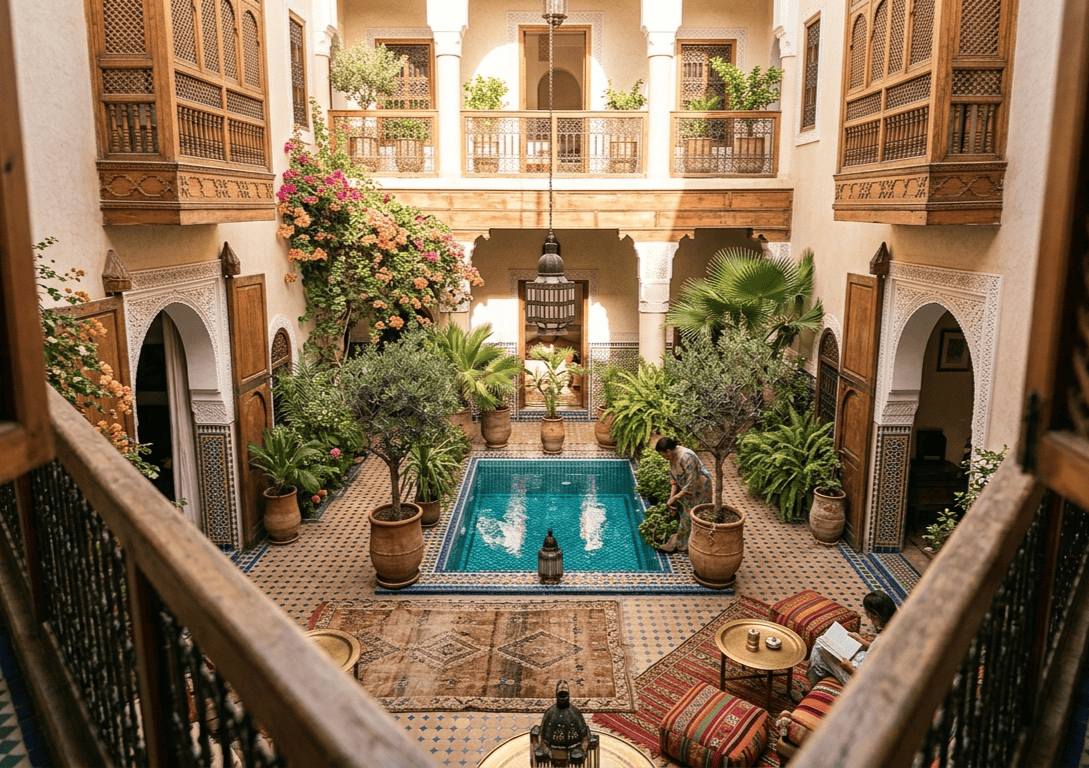
Morocco’s success is a direct result of aggressive preparation for co-hosting the 2030 FIFA World Cup alongside Spain and Portugal. A massive $4 billion investment drive is currently underway to increase nationwide hotel capacity by 20%. While classic hotspots like Marrakech and Casablanca continue to thrive, new flight corridors from the UK, Germany, and France are opening up access to coastal Atlantic gems like Agadir.
Egypt: Beyond Beach Resorts to "Experiential Travel"
Further east, Egypt is executing a massive modernization campaign that successfully pairs its unparalleled ancient wonders with luxury coastal living. The country has entered a new phase of tourism that moves beyond traditional, static all-inclusive beach resorts. Instead, local operators are capitalizing on experiential and sustainable tourism, integrating solar-hybrid Nile cruises and banning single-use plastics at iconic heritage sites like the Giza Plateau.
The major engines fueling Egypt's multi-billion dollar tourism economy include:
- The Grand Egyptian Museum (GEM): The full structural opening of this architectural marvel at Giza has drawn millions of global history lovers to see the complete Tutankhamun collection.
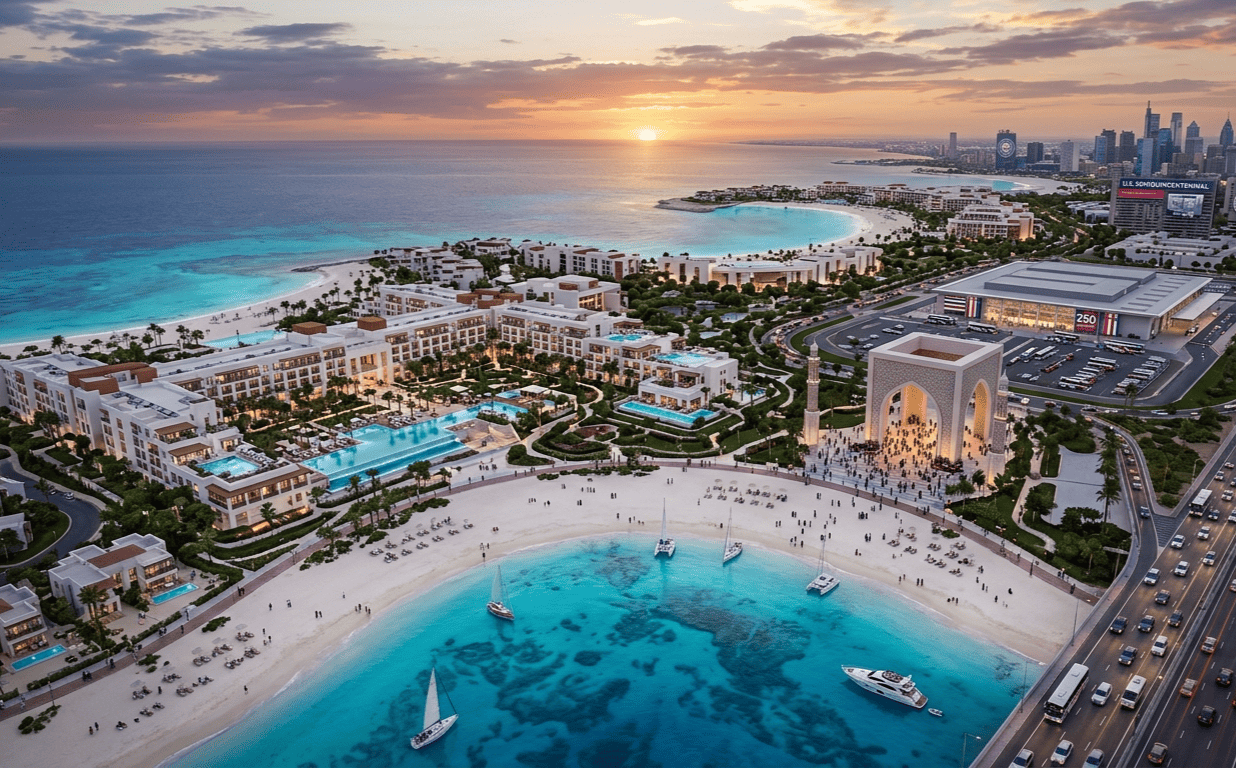
- Ras El Hekma & New Alamein: Massive upscale developments along Egypt’s pristine Mediterranean coast have turned the shoreline into a premier luxury Riviera.
- Digital Transformation: The widespread expansion of smart e-visas and streamlined digital ticketing systems has minimized entry friction for international arrivals.
Tunisia: Capturing High-Volume European Traffic
Tunisia has also hit historic milestones, welcoming over 11 million tourists as part of its sustained post-pandemic recovery. Backed by an estimated 26% rise in recent quarterly arrivals, the country is a primary destination for budget-conscious European travelers utilizing short-haul flights across the Mediterranean.
The primary challenge moving forward for Tunisia is transitioning its high volume of visitors into sustainable value. The government is actively working to diversify its portfolio, incentivizing boutique hotels, eco-lodges, and cultural tours to ensure tourism spending directly benefits local communities rather than solely international tour operators.
The Future of the Mediterranean Basin
With heavy aviation blockades and rising fuel costs complicating traditional transit corridors, travelers are demanding smarter, closer, and more accessible destinations. By offering world-class luxury, historical depth, and unmatched affordability just a stone's throw from Europe, North Africa's position as a dominant Mediterranean tourism hub is no longer a future projection—it is a reality.