Saudi Tourism Slowdown 2026: How Religious Travel Cushioned the Impact of Regional Tensions
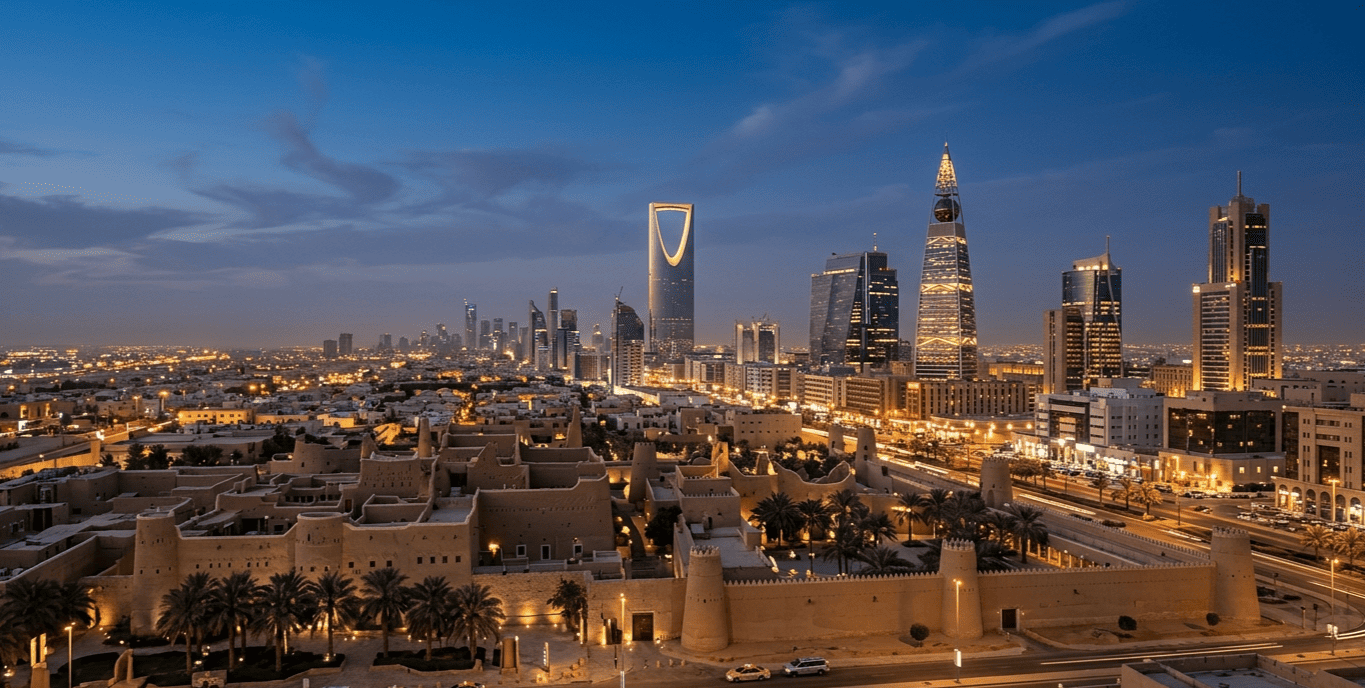
Saudi Arabia’s hyper-growth tourism sector experienced a modest pullback during the first five months of 2026, dropping between 5% and 6% compared to the same period last year. The downturn stems primarily from regional geopolitical anxieties and the ripple effects of the war involving Iran.
Speaking at the FII PRIORITY Europe summit in Rome, Saudi Minister of Tourism Ahmed Al-Khateeb characterized the dip as a "controllable slowdown" rather than a systemic failure. He emphasized that despite widespread flight cancellations, spiked travel insurance premiums, and soaring aviation fuel costs across the broader Middle East, the Kingdom’s multi-billion-dollar tourism architecture has proven remarkably resilient.
The figures contrast with a blistering start to the year, where Saudi Arabia and the wider Gulf Cooperation Council (GCC) area initially enjoyed a 10% year-on-year surge in tourism arrivals during the first quarter.
The Religious Tourism Buffer
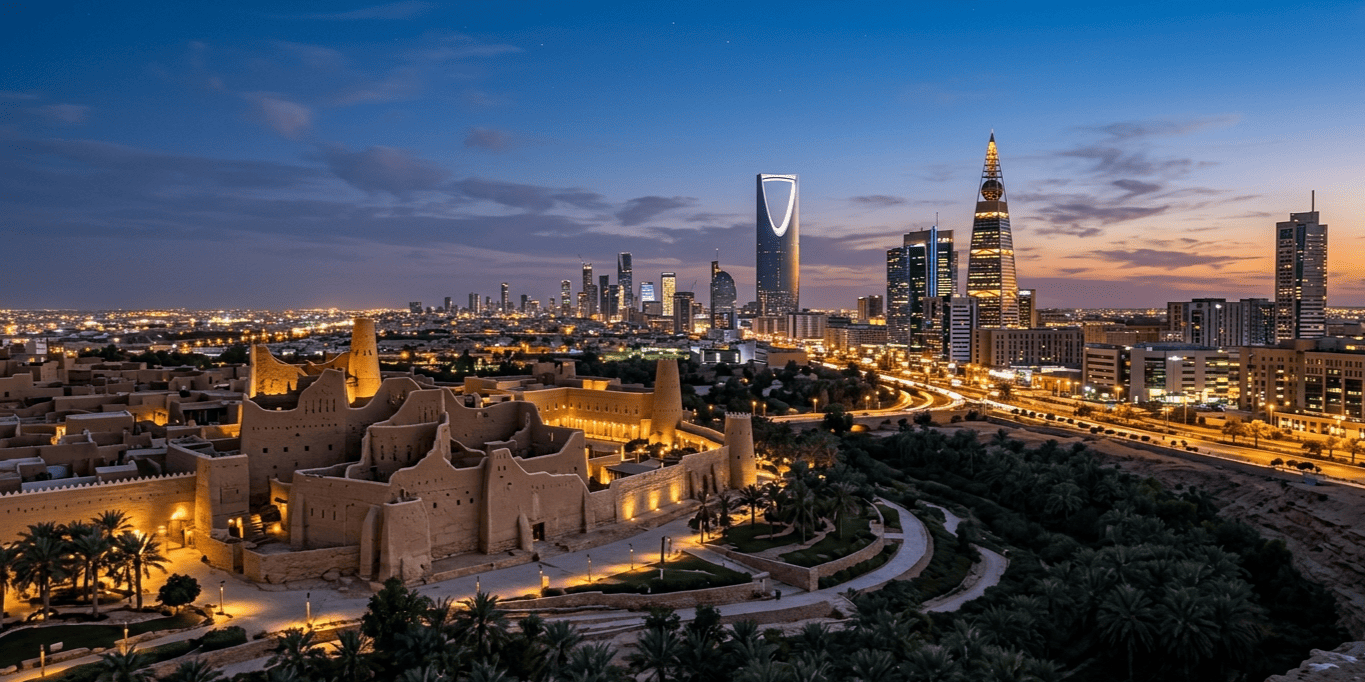
While leisure international arrivals from Western markets cooled during the height of the aviation disruptions, Saudi Arabia successfully leveraged its ultimate economic moat: religious tourism. As the custodian of Islam’s two holiest sites, the Kingdom welcomed millions of international pilgrims who moved forward with their travel arrangements regardless of the geopolitical environment.
According to data compiled by Arab News, exceptionally high turnouts during the holy month of Ramadan and the annual Hajj pilgrimage provided a vital shield for local hospitality players.
"We are blessed because Saudi Arabia is a very large country, and people travel here for many different reasons," Al-Khateeb explained during his panel. "Because we experienced strong Ramadan and strong Hajj pilgrimage, we finished the five months with a performance only slightly less than last year, which is a great success under the circumstances."
The Domestic Shift: Red Sea Fully Booked
Beyond pilgrimage traffic, Saudi Arabia’s newly cultivated domestic traveler base stepped in to absorb international deficits. Flight groundings and regional corridor bypass protocols forced many Saudi nationals and residents to scrap overseas summer vacations, choosing instead to explore localized mega-projects.
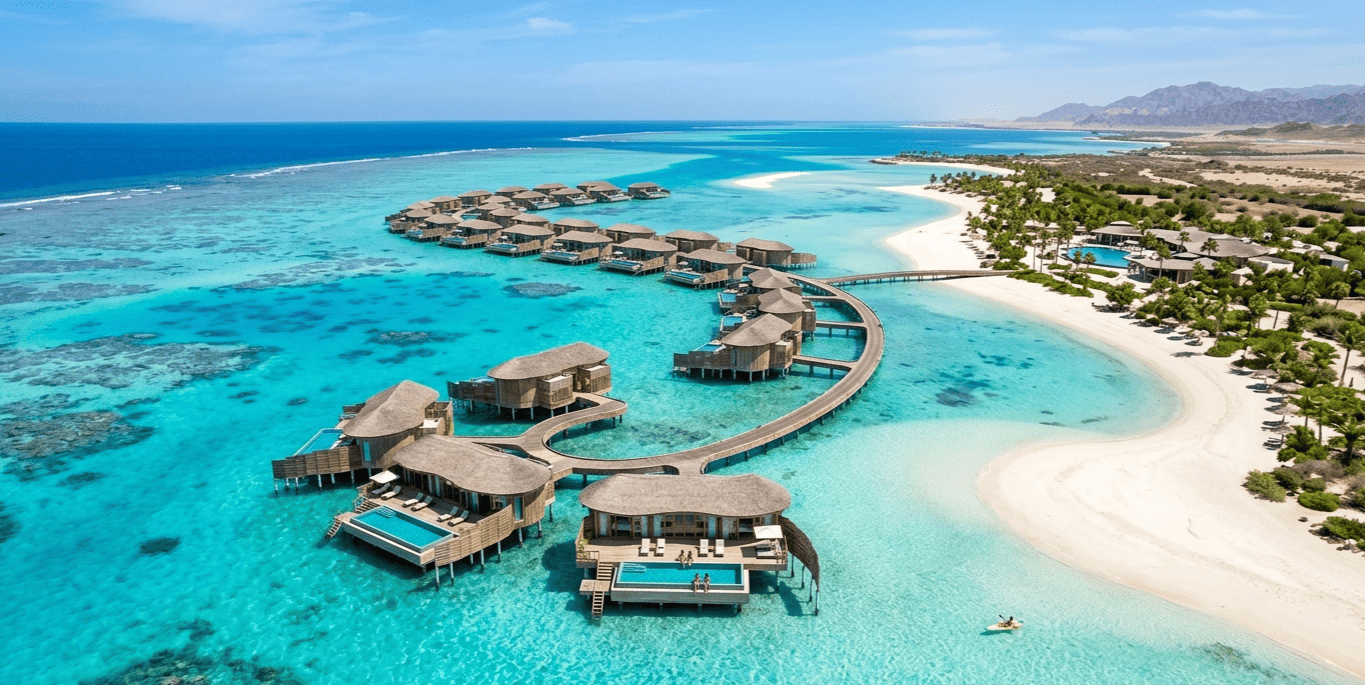
As documented by economic trackers atInvesting.com, internal holiday trips outperformed 2025 baselines significantly. Domestic operations currently represent roughly 60% to 65% of the Kingdom's total tourism revenue. Ultra-luxury seaside resorts—including the newly opened island escapes along the Red Sea Project—reported being entirely fully booked during the Eid Al-Fitr and Eid Al-Adha holiday stretches.
Fast Rebounds and Long-Term Targets
Industry analytical portals like Connecting Travel point out that while the regional security picture temporarily dented ambitious international goals, a swift recovery is already visibly underway. Regional airlines have fully restored standard flight frequencies, and overall travel search indicators have steadily rebounded since regional stabilization efforts intensified.
Furthermore, some financial analysts argue the lull represents a healthy operational pause. According to reports on EnterpriseAM, regional corporate advisors view the brief cooldown as a planned, structural reorganization period rather than a simple byproduct of conflict.
The Ministry of Tourism remains firmly committed to its long-term Vision 2030 strategy, which aims to generate 1.6 million tourism jobs and elevate the sector's contribution to 10% of the national GDP by the end of the decade. With 11 new expansive resorts slated to open along the coast later this year and the commercial scaling of Riyadh Air well underway, officials predict accelerated growth over the next three to five years.