Ryanair Expands Winter Network With New European Routes
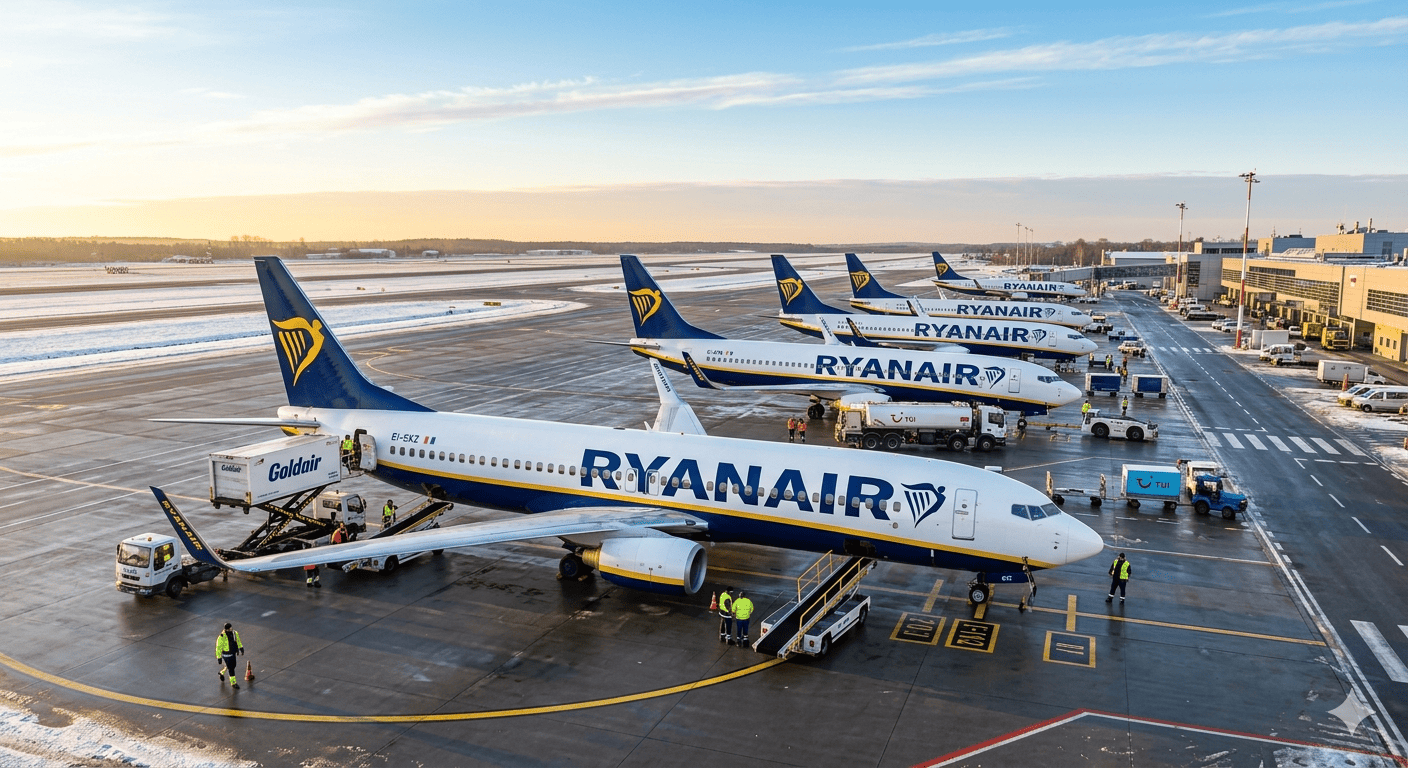
In a major move designed to solidify its dominance over the pan-European aviation sector, ultra-low-cost giant Ryanair has officially unveiled a record-breaking Winter 2026/2027 schedule. Anchored by a multi-million-dollar fleet investment and strategic base realignments, the carrier is launching dozens of new international routes aimed at driving off-season passenger traffic away from legacy network airlines.
As the airline industry braces for an increasingly competitive winter landscape, Ryanair’s aggressive expansion plays directly into its core corporate strategy: using massive aircraft orders and low airport access costs to lock down regional markets before its competitors can react.
The Warsaw Blitz: Dual-Airport Domination
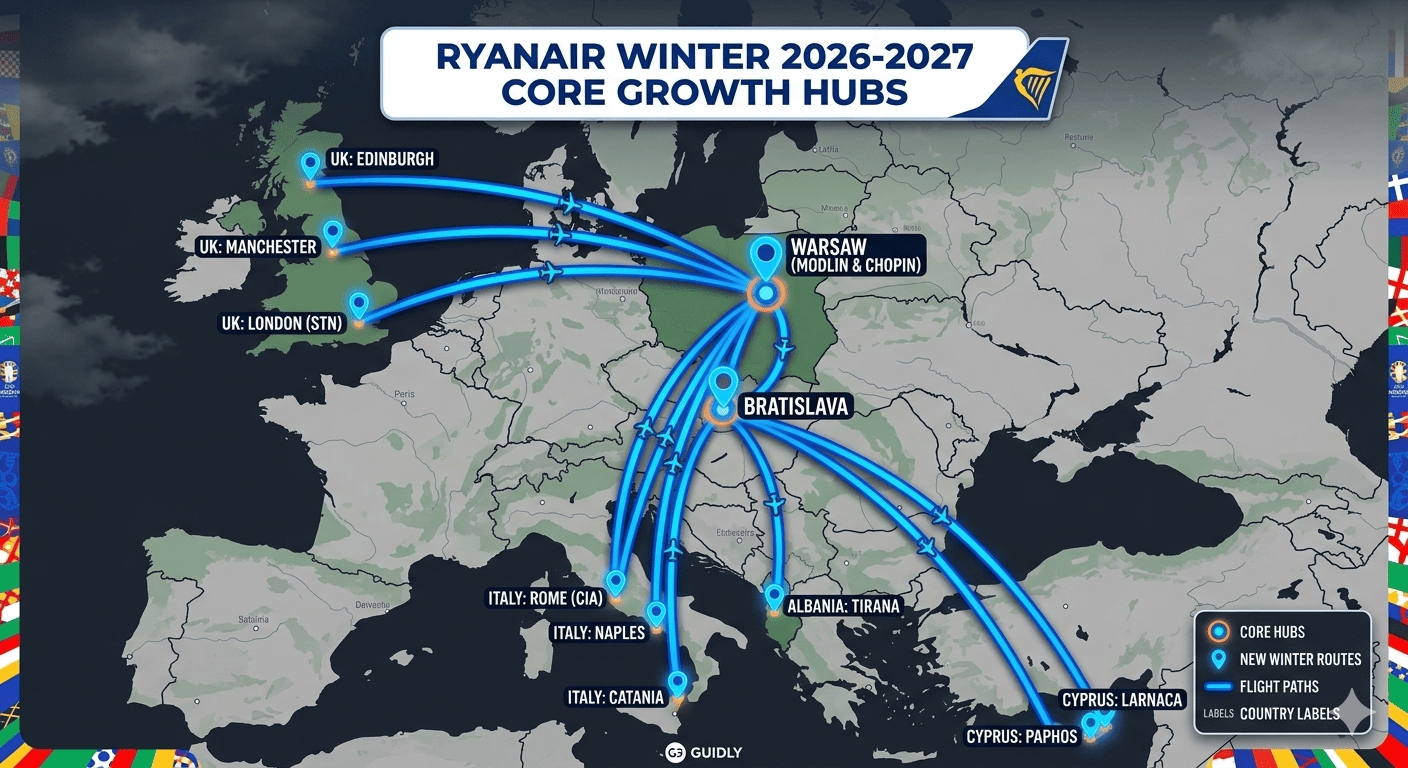
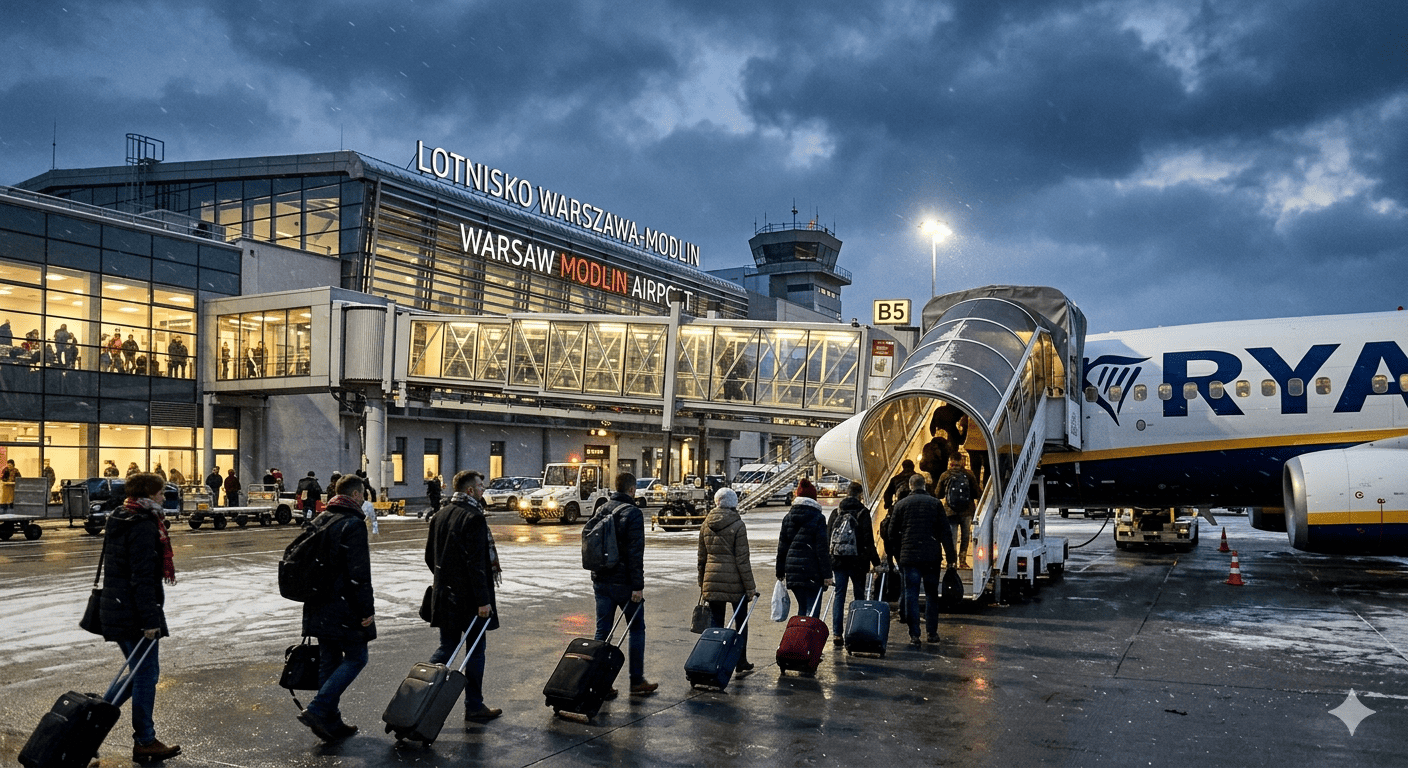
The crown jewel of the Winter 2026 network deployment centers firmly on Poland's capital, where Ryanair has announced an ambitious 46-route schedule spanning both Warsaw Modlin and Warsaw Chopin airports. Supported by a fresh $200 million capital allocation, the carrier will base two additional Boeing 737 aircraft at Modlin, boosting its total based fleet at the facility to eight.
This fleet boost at Modlin will support 30 distinct routes, including five highly requested additions to Bratislava, Bristol, Manchester, Shannon, and Zagreb. Concurrently, the airline is accelerating its secondary footprint at Poland’s primary gateway, Warsaw Chopin, by injecting seven new routes into the winter itinerary, including direct corridors to Italian holiday staples like Catania, Bologna, Naples, and Venice. This dual-airport offensive is projected to push Ryanair's total annual Warsaw traffic past the 4 million passenger threshold.
Slovakia Becomes Europe’s Low-Cost Growth Capital
Further south, Bratislava International Airport (BTS) is emerging as a critical operational beneficiary of Ryanair's shifting winter network blueprint. The carrier has committed a fourth based aircraft to its Slovak base, representing a direct $400 million hardware investment in the region.
Bratislava’s record-breaking winter program features 23 routes, highlighted by four strategically vital connections:
- Paphos (Cyprus): Securing a high-demand, winter-sun corridor for Central European leisure travelers.
- Tirana (Albania): Tapping into Europe's fastest-growing Balkan tourism market.
- Turin (Italy): Catering directly to winter ski traffic and industrial business commuters.
- Warsaw-Modlin (Poland): Linking the carrier's two major expanding regional strongholds.
According to Ryanair executives, this expansion—which is expected to fuel a staggering 125% year-on-year traffic spike to over 2.2 million annual passengers in Bratislava—is the direct result of Slovakia's forward-thinking aviation framework. By freezing environmental levies and lowering air traffic control (ATC) fees, the Slovak government has made its primary gateway immensely attractive for the airline's highly mobile asset pool.
Macro-Dynamics: Shifting Capital to Friendly Markets
Ryanair’s winter expansion reveals a deeper operational truth about how the low-cost carrier navigates political and economic landscapes. While the airline is aggressively ramping up capacity in markets like Slovakia and Poland, it is simultaneously pulling capacity out of high-cost jurisdictions.
The carrier recently executed tactical route trimmings across several major Western European bases—including notable cutbacks in Germany, regional Spain, and the UK—citing rising airport tariffs and uncompetitive operating fees. By routing its incoming Boeing 737 units away from punitive taxing environments and toward proactive, low-cost regions, Ryanair is demonstrating that it can easily re-engineer the geographic layout of European leisure travel.
For budget travelers mapping out their winter getaways, these structural moves guarantee one absolute certainty: the off-season travel map will look vastly different, with highly competitive, ultra-low fares increasingly gravitating toward Europe’s hungrier regional hubs.