
Portugal Aviation Labor Dispute and Airport Delays
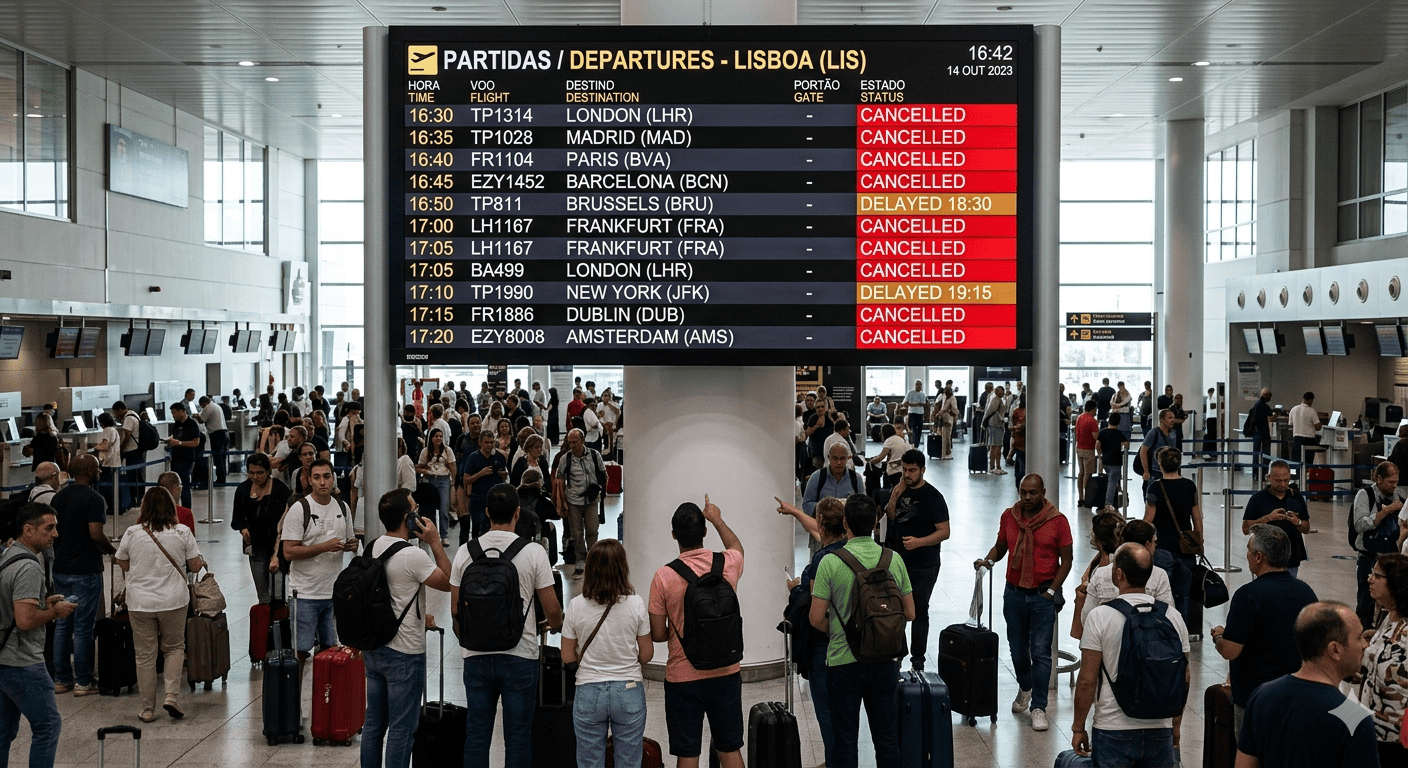
Tens of thousands of peak-season holidaymakers are facing severe itinerary disruptions across Portugal's primary transport gateways. National aviation unions representing airport security, baggage handling, and ground operations staff have officially declared a series of rolling, dynamic strike actions, threatening a wave of flight cancellations and extensive terminal delays at the height of the summer holiday rush.
The labor dispute centers tightly around deadlocked contract negotiations between the Civil Aviation Workers’ Union (SINTAC) and ANA Aeroportos de Portugal—the authority responsible for managing the country’s largest transit hubs. Workers are demanding immediate structural adjustments to mitigate intense over-capacity workloads, alongside wage increases aligned with the rising cost of living in major urban centers.
With Portugal experiencing record-breaking tourism volume, the timing of the strike threatens to severely test the resilience of the Iberian peninsula's aviation infrastructure.
Affected Gateways: Where Travelers Will Face the Hardest Hit
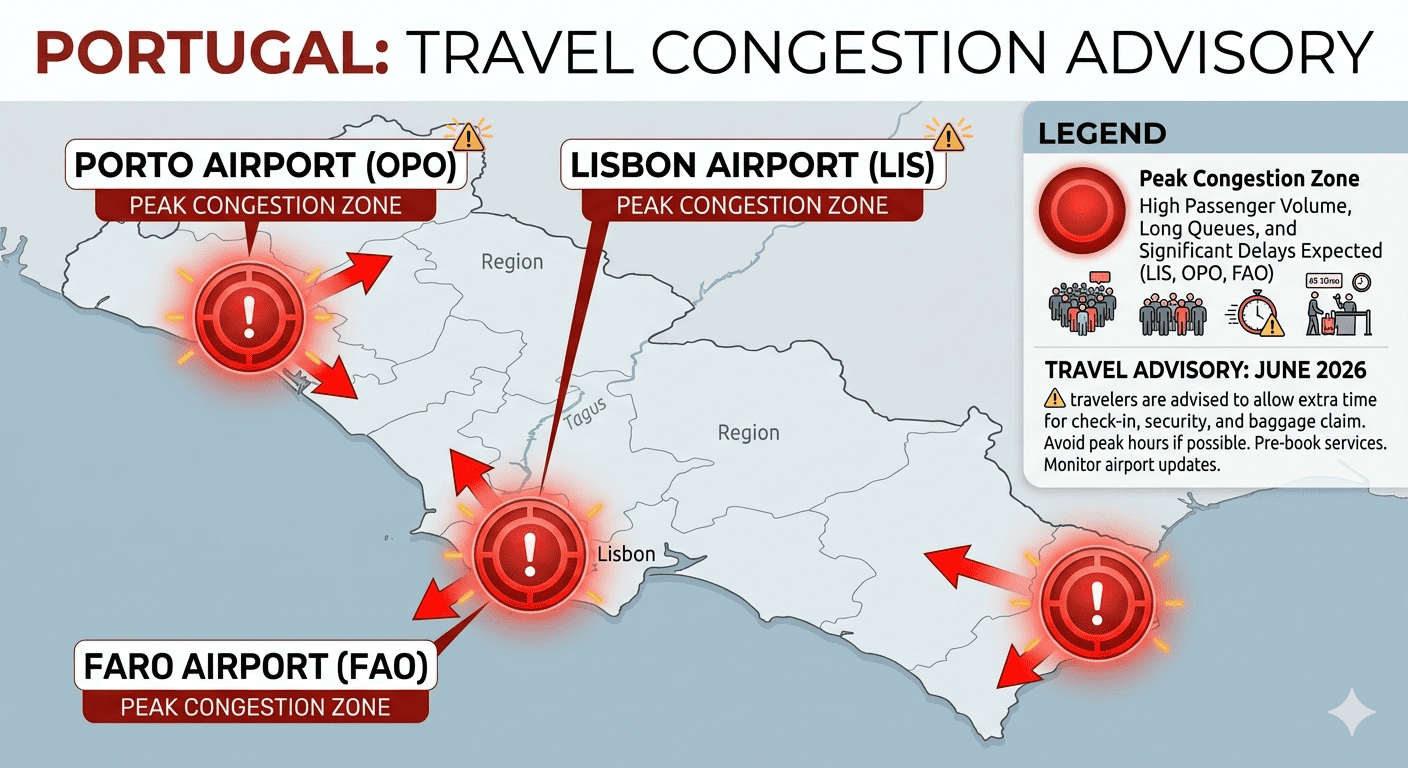
The scheduled industrial action is not isolated to a single hub. Aviation analysts warn that the operational bottlenecks will ripple through the entire domestic network, with a heavy concentration focused on the country's main international entry points:
- Lisbon Humberto Delgado Airport (LIS): As Portugal's primary international hub and a critical European connection node for transatlantic routes, Lisbon is expected to experience the most significant flight consolidations and security queue gridlocks.
- Porto Airport (OPO): Serving as northern Portugal’s industrial and leisure gateway, ground infrastructure here will face severe baggage handling slow-downs.
- Faro Airport (FAO): Located in the heavily touristed Algarve region, Faro is particularly vulnerable to disruptions affecting charter airlines and budget carriers carrying summer vacationers from the UK and Central Europe.
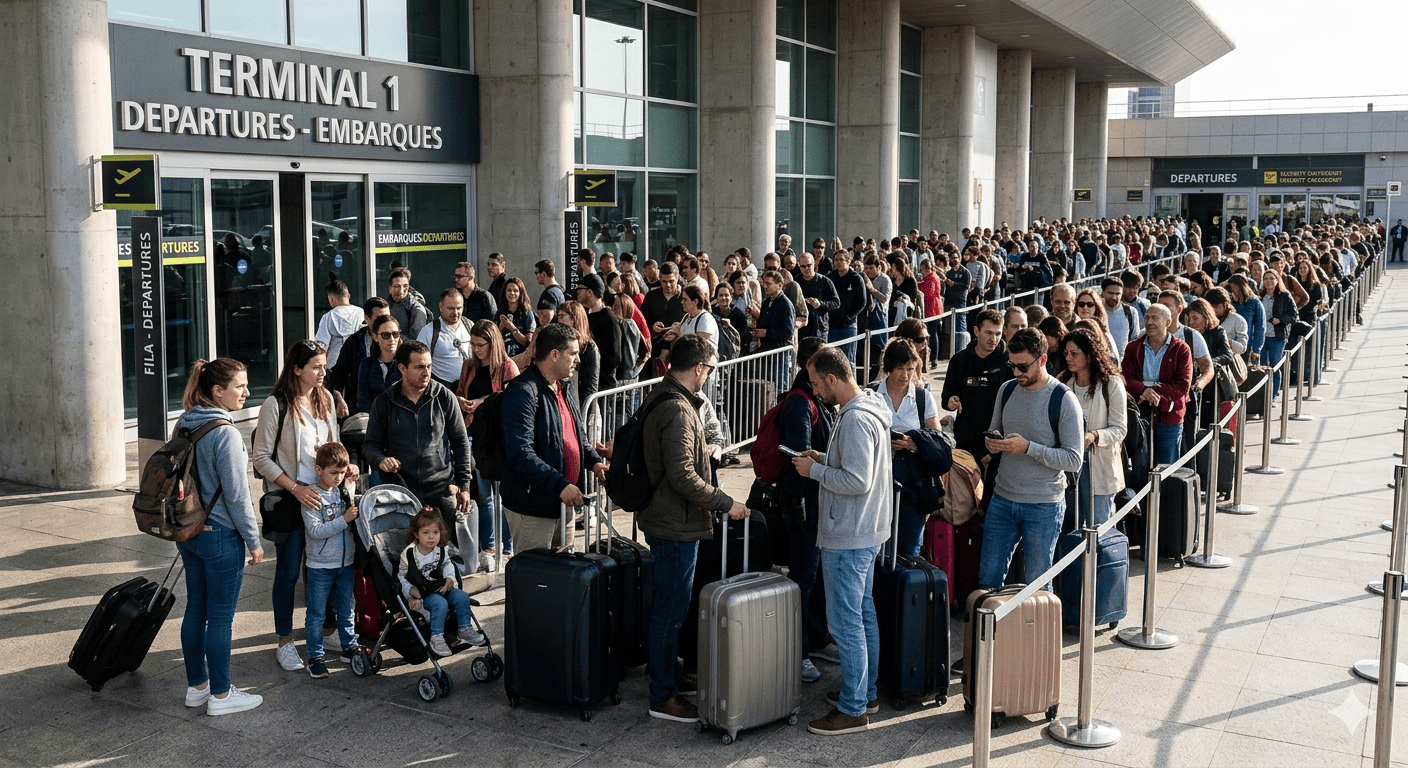
Airlines operating high-frequency routes into these hubs, including national carrier TAP Air Portugal, are actively adjusting their contingency plans. Carriers are advising passengers that even if their specific flight avoids cancellation, terminal processing times for check-in, baggage drop, and security screening could double or triple during active strike windows.
Passenger Rights and Survival Strategies: What to Do
Under European air passenger rights regulation—commonly known as EU261—strikes involving airport staff, security personnel, or air traffic controllers are typically legally classified as "extraordinary circumstances."
Because these events fall outside the direct operational control of individual airlines, carriers are generally exempt from paying out fixed monetary compensation for delays or cancellations. However, the airline's strict duty of care remains entirely intact.
If a flight is cancelled or significantly delayed due to the Portugal airport strike, the operating carrier is legally obligated to provide passengers with a choice between a full ticket refund or re-routing to their final destination at the earliest available opportunity. Additionally, if an unexpected overnight delay occurs, the airline must supply hotel accommodations, ground transportation, and food vouchers.
Tactical Advice for Approaching the Terminal
To navigate this developing situation safely, travelers heading to or from Portugal over the coming weeks should closely follow a strict set of terminal protocols.
First, download your airline’s official mobile application and ensure push notifications are activated; this remains the fastest channel through which carriers broadcast immediate gate changes and cancellation notices. Second, if you are traveling on a short-haul or regional itinerary, make every effort to travel exclusively with carry-on luggage to bypass compromised baggage drop-off counters and carousel delays.
Finally, do not arrive at the airport excessively early—such as five or six hours prior to departure—unless explicitly instructed by your airline. Doing so prematurely aggregates crowds, compounding the physical security bottlenecks inside the terminal check-in hall. Staying informed through real-time travel updates will be essential to mitigating the impact of these unavoidable summer transit delays.