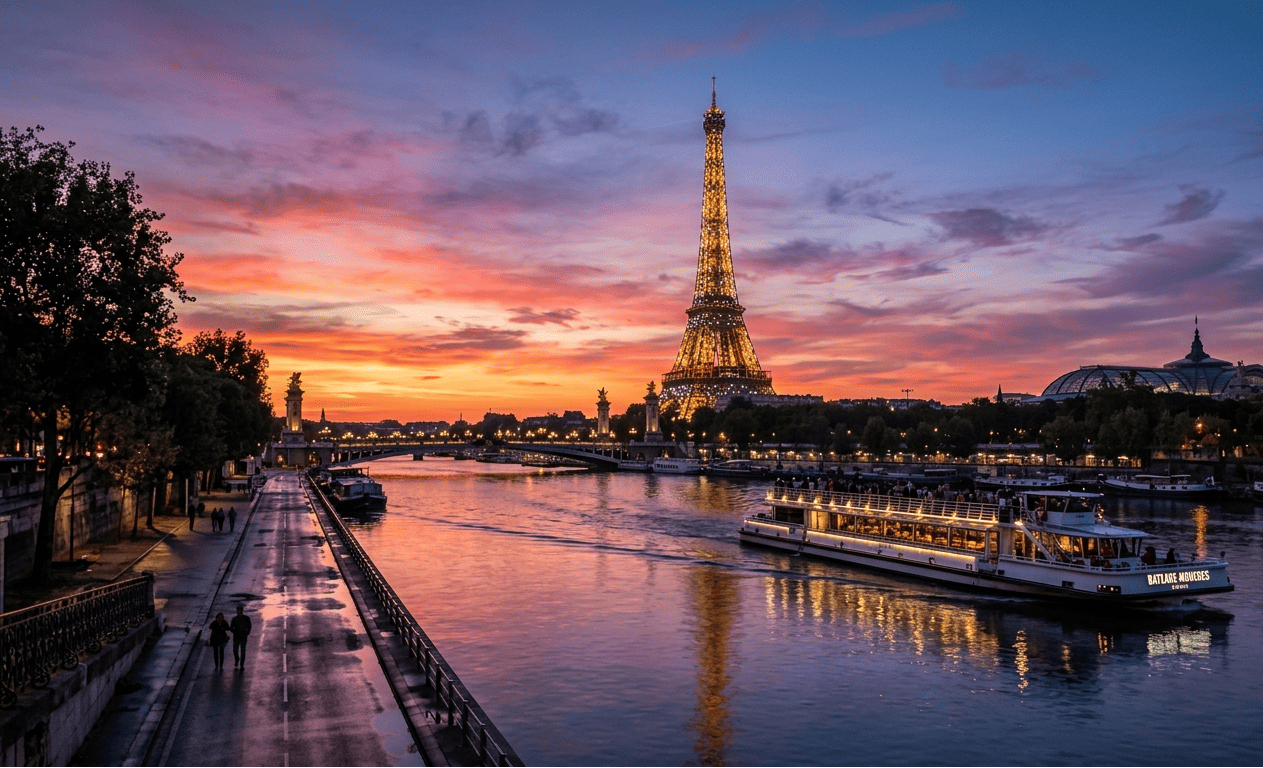
Overtourism: When Popular Destinations Become Too Crowded

Tourism has long been recognized as one of the world's most important economic activities, generating employment opportunities, supporting local businesses, and promoting cultural exchange between nations. Millions of people travel every year in search of unique experiences, historical landmarks, natural wonders, and cultural attractions. While tourism can bring substantial benefits to destinations, its rapid growth has also created significant challenges. One of the most pressing issues facing the global travel industry today is overtourism.
Overtourism occurs when the number of visitors to a destination exceeds the area's capacity to manage them sustainably. As a result, local residents, infrastructure, natural environments, and cultural heritage sites experience increasing pressure. What was once considered a sign of tourism success can become a serious problem when visitor numbers grow beyond what a destination can comfortably accommodate.
In recent years, overtourism has become a major concern for governments, tourism authorities, local communities, and environmental organizations. From historic cities and tropical islands to national parks and cultural landmarks, many destinations are struggling to balance the economic benefits of tourism with the need to preserve their quality of life and natural resources.
Understanding Overtourism
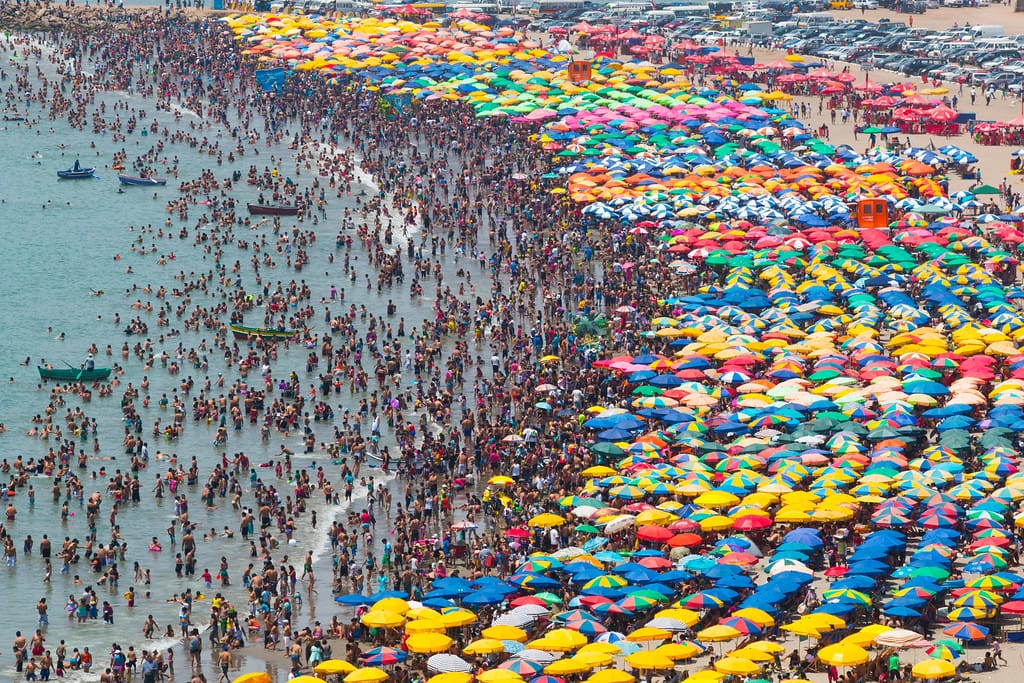
Overtourism is not simply about a destination receiving a large number of tourists. Many popular locations successfully host millions of visitors every year without experiencing severe negative consequences. The problem arises when tourism growth becomes unmanaged and begins to negatively affect local communities, visitor experiences, and environmental sustainability.
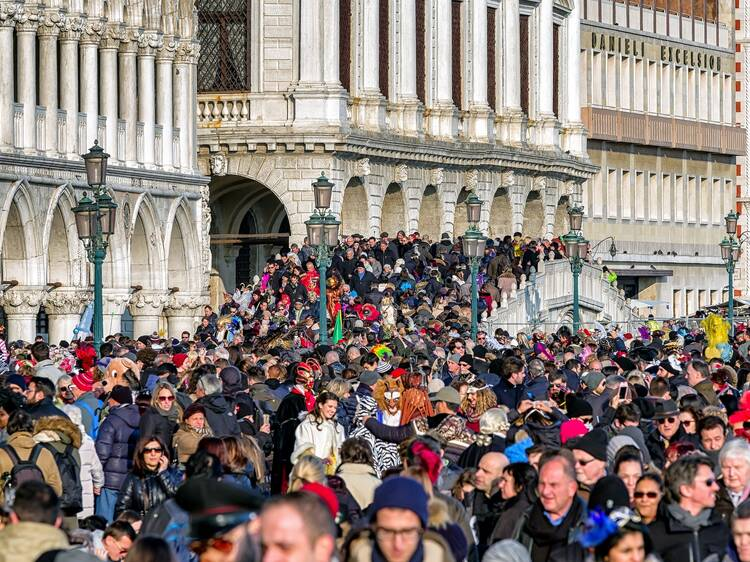
A destination may experience overtourism when streets become overcrowded, public transportation systems are overwhelmed, housing prices increase due to short-term rentals, waste management systems struggle to cope with demand, and residents begin to feel that tourism is disrupting their daily lives. In such situations, the quality of both local life and visitor experiences often declines.
Overtourism can occur seasonally, with certain destinations experiencing extreme crowding during specific months of the year. It can also become a year-round issue in locations that receive a constant flow of international visitors.
The Rise of Overtourism in the Modern Era
Several factors have contributed to the growth of overtourism over the past few decades. One of the most significant is the increasing affordability of travel. Low-cost airlines, online booking platforms, and competitive travel packages have made international tourism accessible to a much larger portion of the global population.
The expansion of the middle class in many countries has also increased the number of people who can afford to travel abroad. As disposable incomes rise, more individuals seek opportunities to explore famous destinations and cultural landmarks.
Social media has further accelerated tourism growth. Platforms such as Instagram, TikTok, and YouTube have transformed travel inspiration and destination marketing. Stunning photographs and viral travel videos can rapidly increase interest in specific locations, attracting large numbers of visitors within a short period.
The growth of cruise tourism has also contributed to overtourism in many coastal cities. Large cruise ships can bring thousands of visitors to a destination simultaneously, placing immense pressure on local infrastructure and public spaces.
The Impact of Overtourism on Local Communities
One of the most significant consequences of overtourism is its effect on local residents. As visitor numbers increase, communities often experience changes that directly affect their quality of life.
Traffic congestion becomes more common, making daily commuting difficult. Public transportation systems may become overcrowded, reducing accessibility for residents. Popular neighborhoods can experience rising noise levels, particularly in areas with active nightlife and tourist attractions.
Housing affordability is another major concern. The growth of short-term rental platforms has encouraged many property owners to convert residential housing into tourist accommodations. While this may generate higher income for property owners, it can reduce the availability of housing for local residents and contribute to rising rental prices.
Many residents also feel that their communities lose their authentic character as businesses increasingly cater to tourists rather than local needs. Traditional shops, markets, and cultural spaces may be replaced by souvenir stores, tourist-oriented restaurants, and entertainment venues.
Environmental Consequences of Overtourism
The environmental impacts of overtourism can be severe and long-lasting. Natural attractions often face significant pressure when visitor numbers exceed sustainable limits.
Popular beaches may experience erosion, littering, and damage to marine ecosystems. Hiking trails can suffer from soil degradation and vegetation loss due to excessive foot traffic. Wildlife habitats may be disrupted by increased human activity, noise pollution, and infrastructure development.
Water consumption is another major issue. Hotels, resorts, swimming pools, and tourism facilities often require large amounts of water, placing additional strain on local resources, particularly in regions already facing water scarcity.
Waste management systems may struggle to handle the increased volume of garbage generated by visitors. Inadequate waste disposal can lead to pollution of rivers, oceans, and natural landscapes.
Climate change concerns are also closely linked to tourism growth. Air travel, cruise ships, and transportation services contribute significantly to greenhouse gas emissions, raising questions about the long-term sustainability of mass tourism.
Pressure on Cultural Heritage Sites
Many of the world's most famous cultural landmarks are facing growing challenges due to overtourism. Historic buildings, monuments, archaeological sites, and museums often receive millions of visitors annually.
Excessive foot traffic can accelerate the physical deterioration of historic structures. Ancient pathways, staircases, and architectural features may suffer wear and damage over time. In some cases, authorities have been forced to restrict access to vulnerable sites in order to protect them.
Beyond physical damage, overtourism can affect the cultural atmosphere of historic destinations. Traditional customs, local lifestyles, and community identities may become overshadowed by commercial tourism activities. As destinations increasingly cater to visitor expectations, there is a risk that cultural authenticity may be diluted.
Preserving cultural heritage requires careful management that balances accessibility with conservation efforts.
Economic Benefits and Economic Challenges
Tourism undoubtedly provides substantial economic benefits. It creates jobs in hospitality, transportation, entertainment, retail, and many other sectors. Tourism revenue can support infrastructure development, public services, and local businesses.
However, overtourism can also create economic challenges. Destinations that become heavily dependent on tourism may face increased vulnerability to economic disruptions. Events such as natural disasters, pandemics, political instability, or global recessions can significantly reduce visitor numbers, leading to financial difficulties for tourism-dependent communities.
Furthermore, economic benefits are not always distributed equally. Large international corporations may capture a significant share of tourism revenue, while local residents bear many of the social and environmental costs.
This imbalance has led many experts to advocate for more sustainable tourism models that ensure economic gains benefit local communities more directly.
The Role of Social Media in Overtourism
Social media has transformed the way people discover and experience destinations. A single viral image can turn an unknown location into a global tourist hotspot almost overnight.
Travel influencers and content creators often showcase picturesque locations that attract thousands of visitors seeking similar experiences. While this visibility can boost tourism revenue, it can also overwhelm destinations that lack the infrastructure needed to accommodate sudden increases in visitor numbers.
The pursuit of social media content has sometimes led tourists to engage in irresponsible behavior, including trespassing, damaging natural environments, and disrupting local communities in search of the perfect photograph.
As awareness of these issues grows, some tourism organizations are encouraging more responsible digital promotion and emphasizing lesser-known destinations to distribute visitor numbers more evenly.
Strategies for Managing Overtourism
Addressing overtourism requires a combination of government policies, community involvement, and responsible visitor behavior. Many destinations are experimenting with innovative strategies to reduce crowding and promote sustainability.
One common approach is the implementation of visitor limits. By restricting the number of daily visitors, authorities can protect sensitive environments and cultural landmarks while improving visitor experiences.
Tourist taxes and entry fees can generate revenue for conservation efforts and infrastructure improvements. Some destinations use these funds to support environmental protection programs and community development projects.
Promoting off-season travel is another effective strategy. Encouraging visitors to travel during less crowded periods can help distribute tourism demand more evenly throughout the year.
Destination diversification also plays an important role. By promoting alternative attractions and lesser-known regions, tourism authorities can reduce pressure on overcrowded hotspots while creating economic opportunities in other areas.
Smart tourism technologies, including digital reservation systems and real-time crowd monitoring, are increasingly being used to manage visitor flows and improve resource allocation.
The Importance of Responsible Tourism
Tourists themselves play a crucial role in addressing overtourism. Responsible travel practices can help minimize negative impacts and support sustainable tourism development.
Travelers can choose to visit destinations during off-peak seasons, explore less crowded attractions, support local businesses, and respect community traditions and customs. Reducing waste, conserving resources, and following environmental guidelines also contribute to more sustainable tourism experiences.
Education and awareness are essential components of responsible tourism. When visitors understand the challenges facing destinations, they are more likely to make choices that benefit both local communities and the environment.
The Future of Tourism in a Crowded World
As global travel continues to grow, managing overtourism will remain one of the tourism industry's greatest challenges. The future of tourism depends on finding a balance between economic development, environmental protection, cultural preservation, and community well-being.
Governments, tourism organizations, businesses, and travelers must work together to create sustainable tourism models that prioritize long-term resilience over short-term growth. Advances in technology, improved destination management strategies, and increasing public awareness offer promising opportunities for addressing overtourism effectively.
The goal is not to discourage travel but to ensure that tourism remains a positive force that benefits destinations without compromising their natural, cultural, and social integrity.
Conclusion
Overtourism represents one of the most complex challenges facing modern travel. While tourism generates significant economic opportunities and fosters cultural exchange, excessive visitor numbers can place enormous pressure on communities, environments, and heritage sites. The consequences of overcrowding affect not only residents but also the quality of the visitor experience itself.
By adopting sustainable tourism practices, implementing effective management strategies, and encouraging responsible traveler behavior, destinations can mitigate the negative effects of overtourism while continuing to enjoy the benefits of a thriving tourism sector. The future of travel depends on creating a more balanced and sustainable relationship between tourists, local communities, and the places they visit.