
Monsoon Weather Warnings Threaten Travel Plans Across India
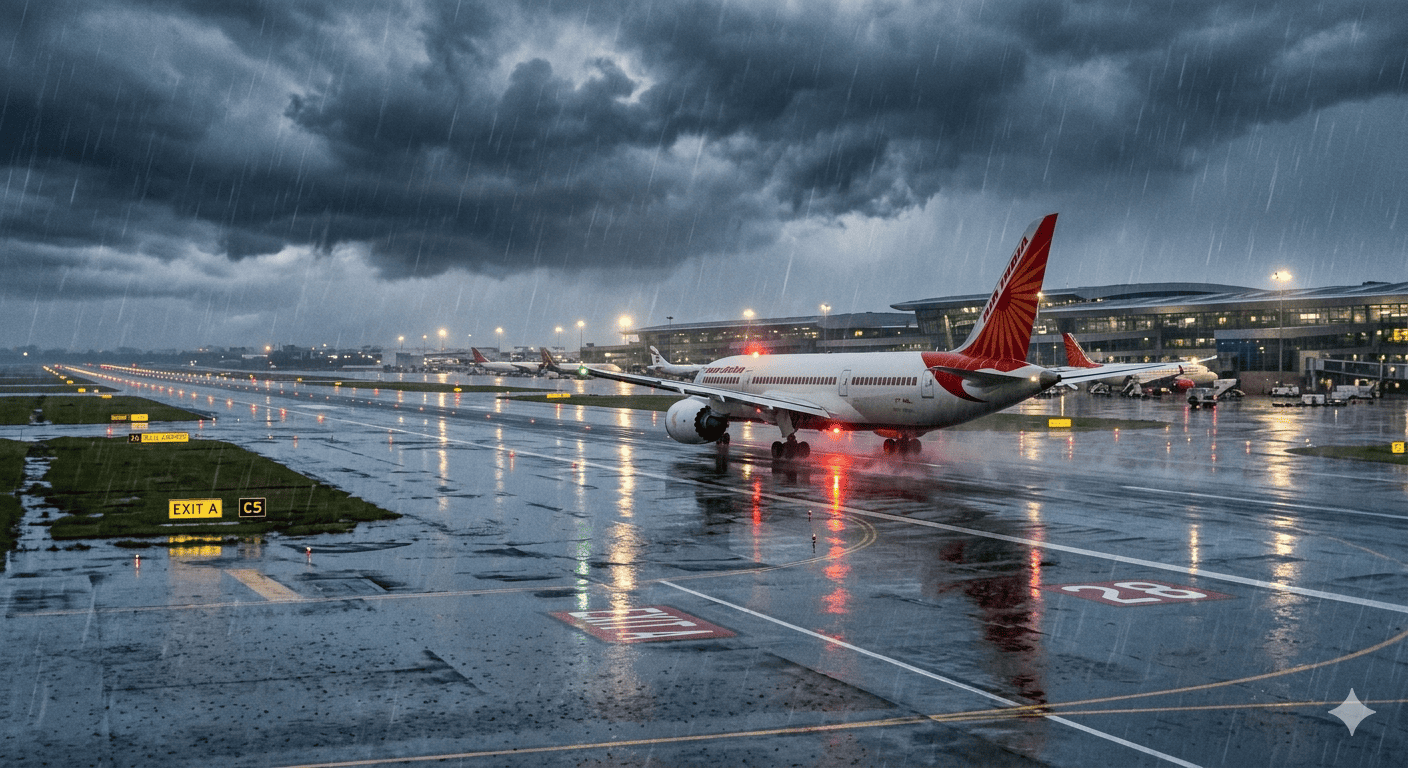
The arrival of the highly anticipated southwest monsoon has sent immediate ripples across India’s vast transportation networks. While the seasonal rains bring vital relief to agricultural belts and lower intense summer temperatures, they have concurrently triggered a wave of urgent multi-regional weather warnings that are forcing travelers to rapidly rewrite their itineraries.
The India Meteorological Department (IMD) has officially confirmed the advancement of the monsoon across the Arabian Sea, moving through parts of Kerala, Karnataka, Goa, and Tamil Nadu. However, the onset has arrived with a fierce intensity, triggering high-tier alerts that signal immediate operational friction for aviation, railways, and highway networks alike.
High Alerts Gridlock Southern Coastal Corridors
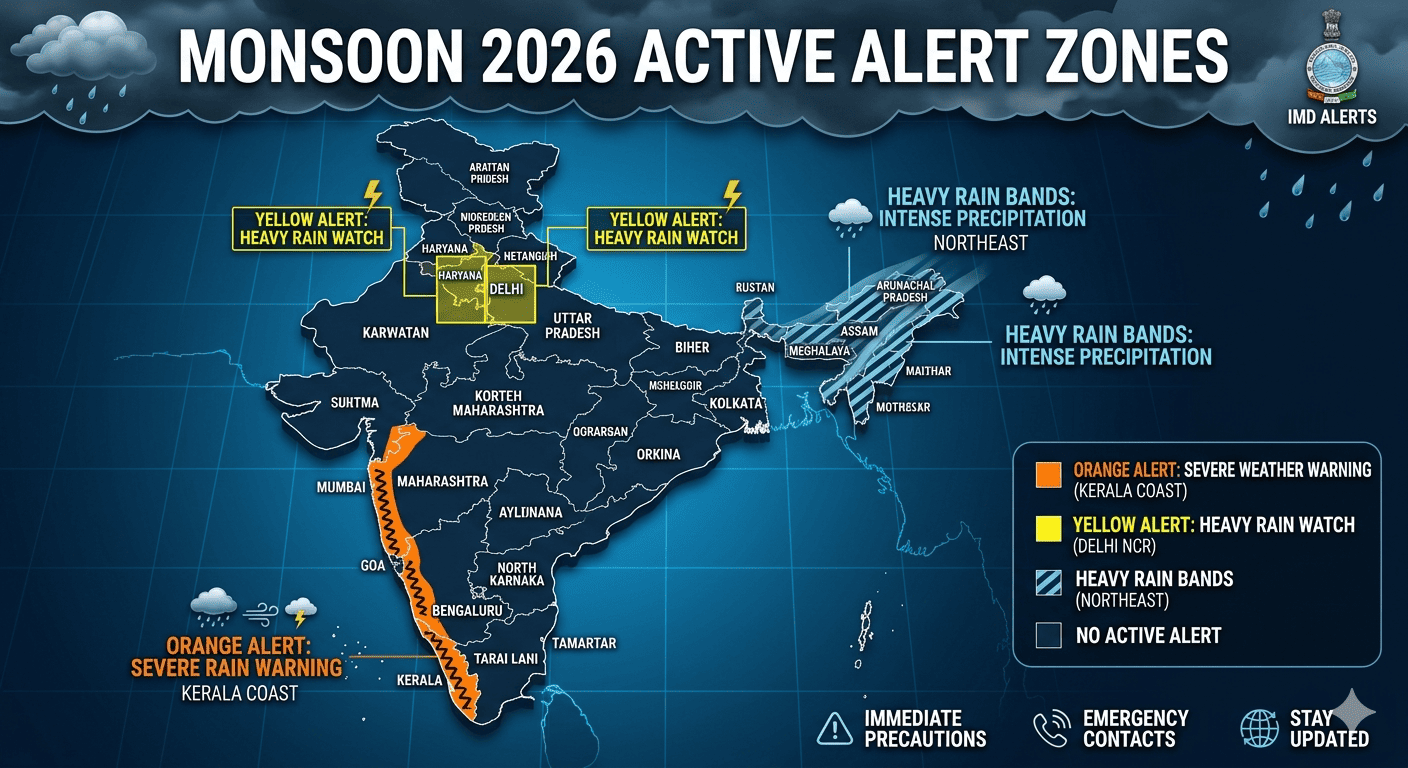
The initial brunt of the monsoon's arrival has fallen heavily on the southern coastline. The IMD issued strict orange alerts across multiple districts in Kerala—including Alappuzha, Kottayam, and Ernakulam—warning of isolated heavy to very heavy downpours accompanied by thunderstorms and high-velocity wind gusts.
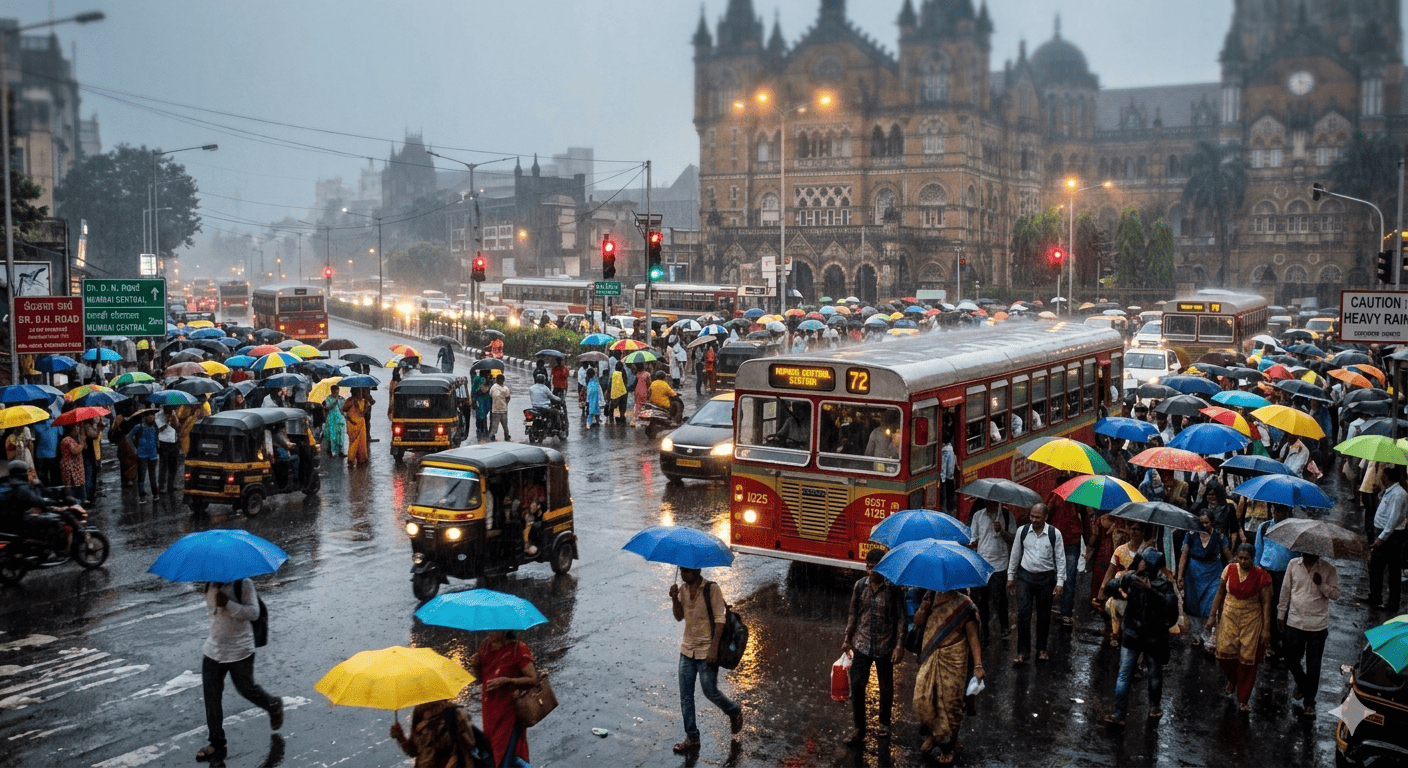
For leisure travelers targeting these popular green corridors, the reality on the ground has shifted from scenic sightseeing to logistical navigation. Localized flash flooding and waterlogging have slowed road transit along key arterial state highways, while regional eco-tourism sites and hill stations are facing temporary access restrictions to protect visitors from rain-induced landscape instabilities. Further up the coast, civil authorities in Mumbai are prepping for the season by issuing warnings regarding multiple high-tide windows exceeding 4.5 meters, which traditionally threaten to slow the city's critical coastal roadways and local train networks if synchronized with heavy downpours.
Northern Progress: Pre-Monsoon Turmoil in the Capitals
The impact on travel plans is not restricted solely to the southern entry zones. Even as the core monsoon front pushes steadily northward—with forecasters mapping its arrival into Delhi and the wider National Capital Region (NCR) between June 25 and June 30—the atmospheric shift is already generating severe pre-monsoon disturbances.
The National Capital has been placed under a yellow alert for recurring rain and sudden, aggressive thunderstorms. These short, high-intensity bursts have caused intermittent ground delays and air traffic holds at major transit infrastructure like Delhi’s Indira Gandhi International Airport. Commuters moving through northern states like Punjab, Haryana, and Uttar Pradesh are being advised to build extensive padding into their schedules to absorb sudden transit disruptions caused by these unpredictable squalls.
Data-Driven Decisions: How Travelers are Adjusting
Faced with these sweeping regional updates, the landscape of Indian seasonal travel is undergoing a rapid evolution. Rather than canceling summer breaks entirely, modern holidaymakers are leaning heavily on real-time weather analytics and data-driven booking patterns to dodge the worst of the active storm tracks.
- Flexible Bookings Rise: Travel platforms report an unprecedented surge in the demand for refundable tickets, flexible hotel vouchers, and comprehensive travel insurance protection.
- The Shift to Drier Pockets: Analytics indicate a distinct redirection of search traffic away from heavy coastal downpour zones and toward regions experiencing milder, more manageable weather windows.
- Micro-Trip Tracking: Weekend travelers seeking the misty aesthetic of popular hill stations like Munnar or Coorg are increasingly utilizing local transit availability systems to check real-time road conditions and room occupancy before departing.
As weather authorities maintain a close watch over a highly volatile global climate backdrop, the message for travelers moving through India over the coming weeks remains absolute: remain flexible, monitor local district-level bulletins before every leg of transit, and prioritize infrastructure safety over rigid holiday timelines.