Malaysia Welcomes Fresh Wave of International Travelers
Southeast Asia’s tourism landscape continues to show competitive vitality as Malaysia records a steady 3.4% growth in international tourist arrivals for the current fiscal period. Data released by Tourism Malaysia highlights a resilient and sustainable upward trend, driven primarily by robust regional partnerships, targeted visa relaxations, and an increasing global appetite for cultural and eco-centric travel.
While neighboring hubs chase high-volume spikes, Malaysia's growth strategy focuses on balancing consistent arrival numbers with increased visitor spending and longer trip durations.

Regional Connectivity Drives Steady Growth
The 3.4% incremental rise underlines the success of Malaysia's cross-border tourism initiatives. Short-haul travel within the ASEAN region remains the absolute bedrock of the country's inbound traffic.
The Power of Border Proximity
Cross-border travel from Malaysia's immediate neighbors—most notably Singapore and Thailand—continues to account for a massive share of total arrival volumes. Seamless land-border checkpoints, high-speed rail links, and affordable regional shuttle flights make Malaysia a highly accessible weekend destination for shopping, gastronomy, and medical tourism.
High-Yield Markets in East Asia
Beyond immediate borders, targeted promotional campaigns in China, India, and South Korea have paid off significantly. The introduction of flexible visa frameworks and expanded direct flight paths connecting secondary Chinese and Indian cities directly to Kuala Lumpur has successfully unlocked new demographics of millennial and family travelers.
Diversifying the Itinerary: Beyond Kuala Lumpur
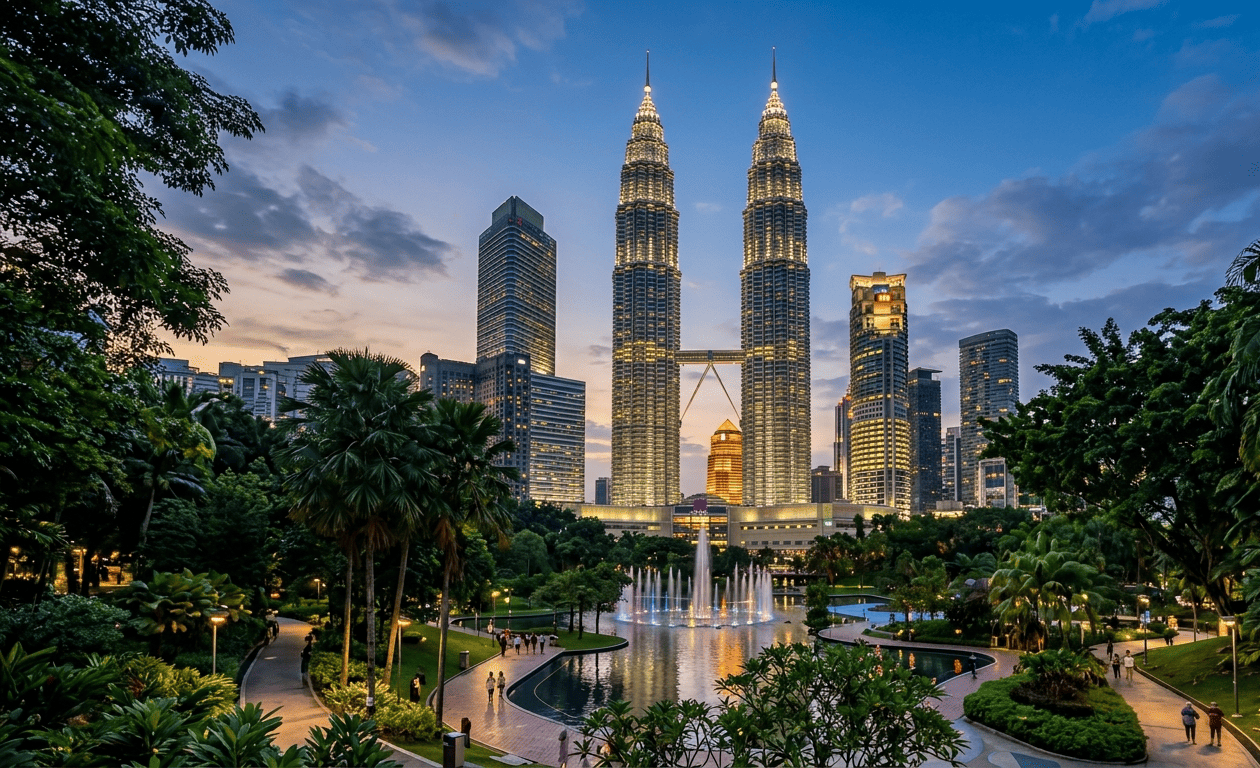
While the capital city of Kuala Lumpur remains the primary point of entry and a massive draw for luxury shopping and urban exploration, travel booking data shows that international visitors are rapidly branching out.
- Cultural and Culinary Hubs: Penang and Melaka continue to experience consistent boutique resort bookings, fueled by travelers seeking UNESCO World Heritage sites and world-renowned street food cultures.
- The Eco-Luxury Pull: Langkawi and the East Malaysian states of Sabah and Sarawak (Borneo) are seeing a surging influx of high-value, nature-focused travelers. Inquiries for wildlife sanctuaries, diving expeditions, and rainforest eco-lodges are outpacing traditional urban hotel metrics.
To capitalize on this shifting behavior, digital travel networks likeAgodaare collaborating with local operators to package lesser-known destinations, ensuring tourism wealth is distributed more evenly across the peninsula and Borneo.
Preparing for Visit Malaysia Year
The steady 3.4% trajectory serves as a crucial building block for the country's long-term economic roadmap. Tourism authorities are utilizing this period of stable growth to fine-tune digital infrastructure, upgrade airport terminal capacities, and roll out comprehensive sustainable tourism guidelines.
With aggressive marketing frameworks swinging into motion globally, the ultimate goal remains positioning the country as an eco-conscious, culturally rich premier destination in Asia. For real-time statistical updates or to explore official travel itineraries, visit the official Tourism Malaysia platform.