
Japan to Triple International Departure Tax Starting July 2026 to Combat Overtourism
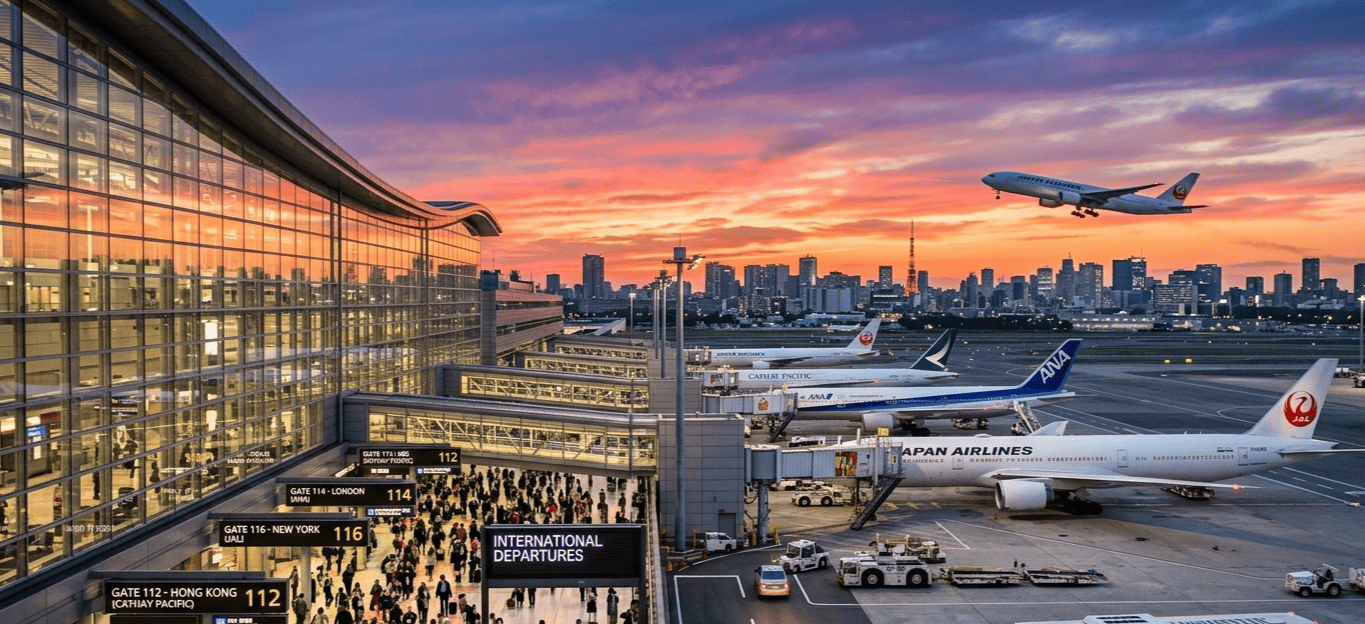
Starting Wednesday, July 1, 2026, international travelers and citizens departing from Japan will face higher costs as the Japanese government officially triples its international departure levy.
The departure fee, widely known as the "Sayonara Tax," is increasing from ¥1,000 to ¥3,000 per person (approximately $18 USD depending on exchange rates). The decision, finalized by the nation's transit authorities and Ministry of Finance, marks the first major overhaul of the tourism levy since its introduction in 2019.
Why is Japan Increasing the Departure Tax?
The primary catalyst behind the steep tax hike is the rapid acceleration of overtourism across Japan’s primary municipal corridors, including Tokyo, Kyoto, and Osaka. Foreign visitor numbers have reached historic highs, placing significant pressure on municipal infrastructure and generating local pushback due to overcrowding and public nuisance behavior.
According to data compiled by the Japan National Tourism Organization (JNTO), annual revenue generated from the tax is projected to skyrocket to approximately ¥130 billion in fiscal 2026, up from a previous record of ¥52.5 billion in fiscal 2024.
The Japanese government has outlined several infrastructure projects funded directly by this new revenue stream:
- Infrastructure Upgrades: Installing advanced facial-recognition smart gates at seaports and international airports like Haneda and Narita to expedite passport control queues.
- Crowd Management: Financing multilingual booking and reservation systems at high-density heritage sites like Mt. Fuji and historic temples.
- Regional Decongestion: Expanding marketing campaigns and transportation links to encourage travelers to explore Japan's lesser-known prefectures beyond the over-saturated Golden Route.

How Will the Tax Be Collected?
Travelers do not need to worry about waiting in separate payment lines at the airport. The ¥3,000 fee will be automatically baked into the price of airline and cruise tickets at the time of booking, applying uniformly regardless of whether you fly economy or business class.
Who is Exempt From the Tax?
The Japanese government has kept a strict and limited list of exemptions for the departure surcharge. The fee will not apply to:
- Infants and children under the age of two.
- Transit passengers transiting through a Japanese airport to a third-party destination within 24 hours of arrival.
- Travelers forced to land in Japan due to emergency weather conditions or unavoidable flight diversions.
Part of a Wider Fiscal Shift for Travelers in 2026
The Sayonara Tax hike is just one component of a broader strategy to manage mass tourism throughout the year. Travelers to Japan should also prepare for rising local accommodation taxes in major tourist hubs like Kyoto, as well as a complete structural overhaul of Japan’s duty-free airport refund model slated for November 1, 2026.