Inside Saudi Arabia’s Exponential Luxury Tourism Expansion
Saudi Arabia is no longer just preparing for the future of global travel; it is actively dictating it. Driven by the economic blueprints of Vision 2030, the Kingdom has rapidly evolved into the world's most dynamic sandbox for ultra-luxury, regenerative hospitality.
By prioritizing low-impact, high-value developments over mass commercialization, Saudi Arabia is successfully capturing a demographic of affluent global travelers who demand absolute exclusivity, architectural innovation, and pristine natural environments. From overwater island sanctuaries to ancient canyon wellness retreats, the Kingdom’s luxury tourism expansion is resetting the standards for premium hospitality on a global scale.
1. The Red Sea Project: Pioneering Regenerative Luxury
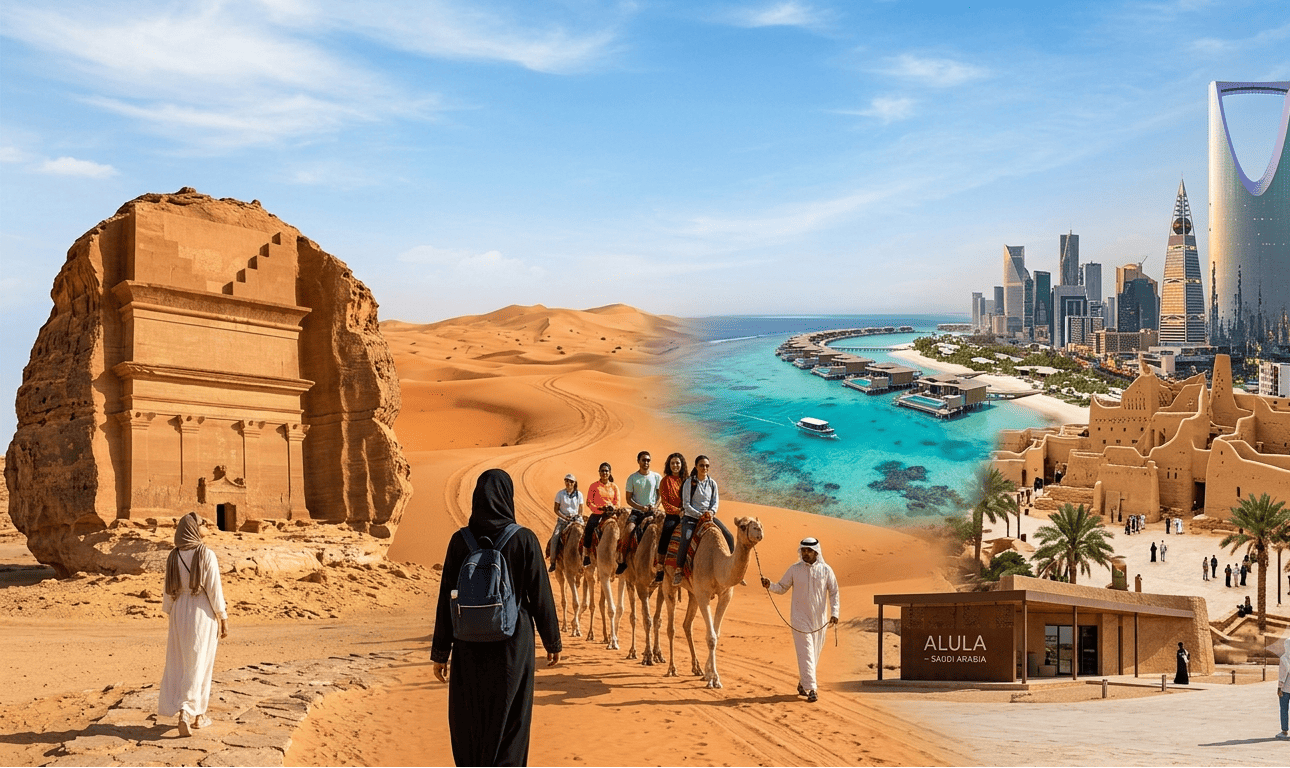
The crown jewel of Saudi Arabia’s luxury tourism transformation is The Red Sea, a massive, 28,000-square-kilometer archipelago development on the country’s west coast. Operating under a strict ethos of "regenerative tourism," the destination goes beyond standard sustainability by actively working to achieve a 30% net conservation benefit across its 90 untouched islands by 2040.
The ultra-luxury ecosystem features a continuous rollout of world-renowned hospitality brands:
- Secluded Sandstone and Island Sanctuaries: High-end pioneers like Six Senses Southern Dunes and The St. Regis Red Sea Resort offer travelers ultra-private villas with personal butler services, bespoke desert excursions, and custom spa therapies.
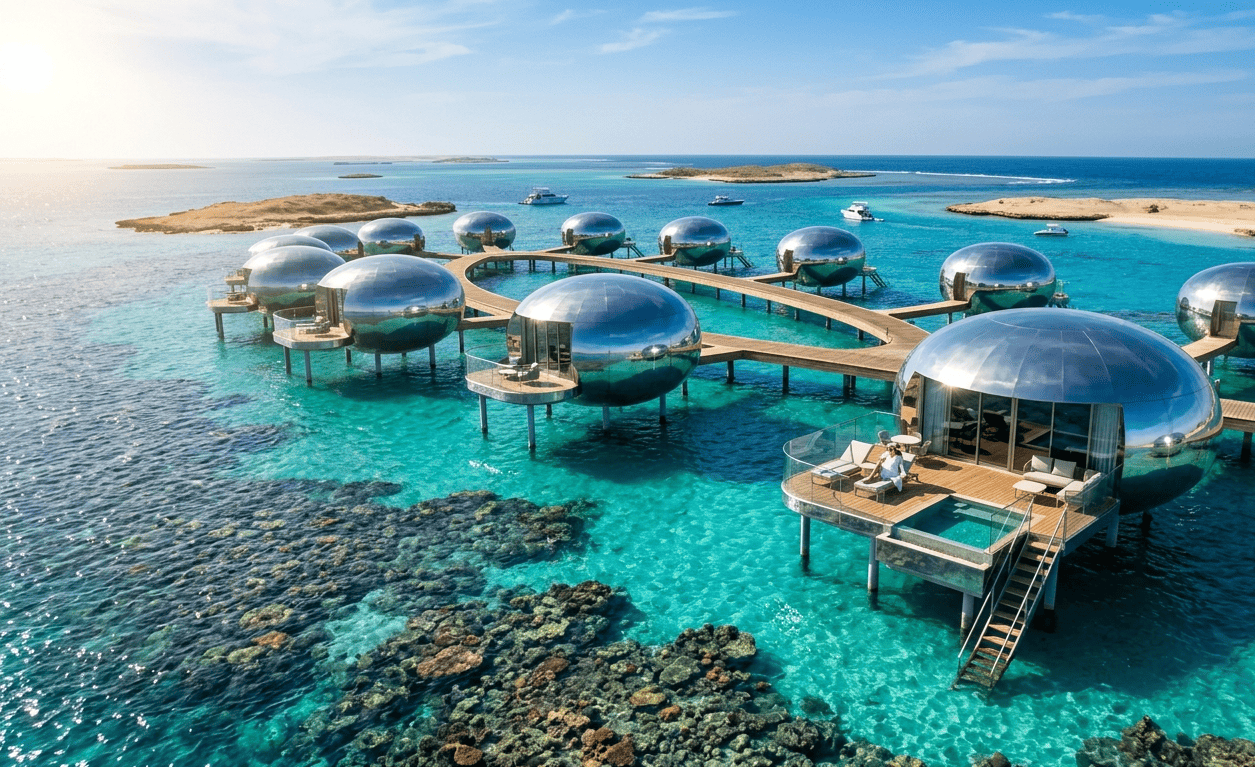
- Architectural Marvels: Recently opened architectural icons like Shebara—distinguished by its futuristic, floating stainless-steel overwater villas—and the mountain-carved Desert Rock resort offer unparalleled design innovation.
- The Shura Island Hub: Shura Island stands as the flagship cluster, featuring its signature Shura Links championship golf course and a handpicked selection of top-tier luxury hotels.
To preserve the fragile marine ecosystem and barrier reefs, total visitor capacity at the destination is strictly capped at one million tourists annually. Affluent jet-setters can effortlessly access the region via the dedicated Red Sea International Airport (RSI), which handles direct domestic and regional premium airline routes. For real-time updates on resort openings, marine conservation policies, and flight schedules, travelers can explore the official Red Sea Global (RSG) interactive portfolio.
2. AlUla: The Intersection of Living History and High-End Wellness
Further inland, the ancient oasis city of AlUla serves as the premier destination for premium cultural tourism. Home to Hegra, Saudi Arabia’s first UNESCO World Heritage Site, AlUla combines thousands of years of Nabataean history with ultra-exclusive, low-density boutique resorts.
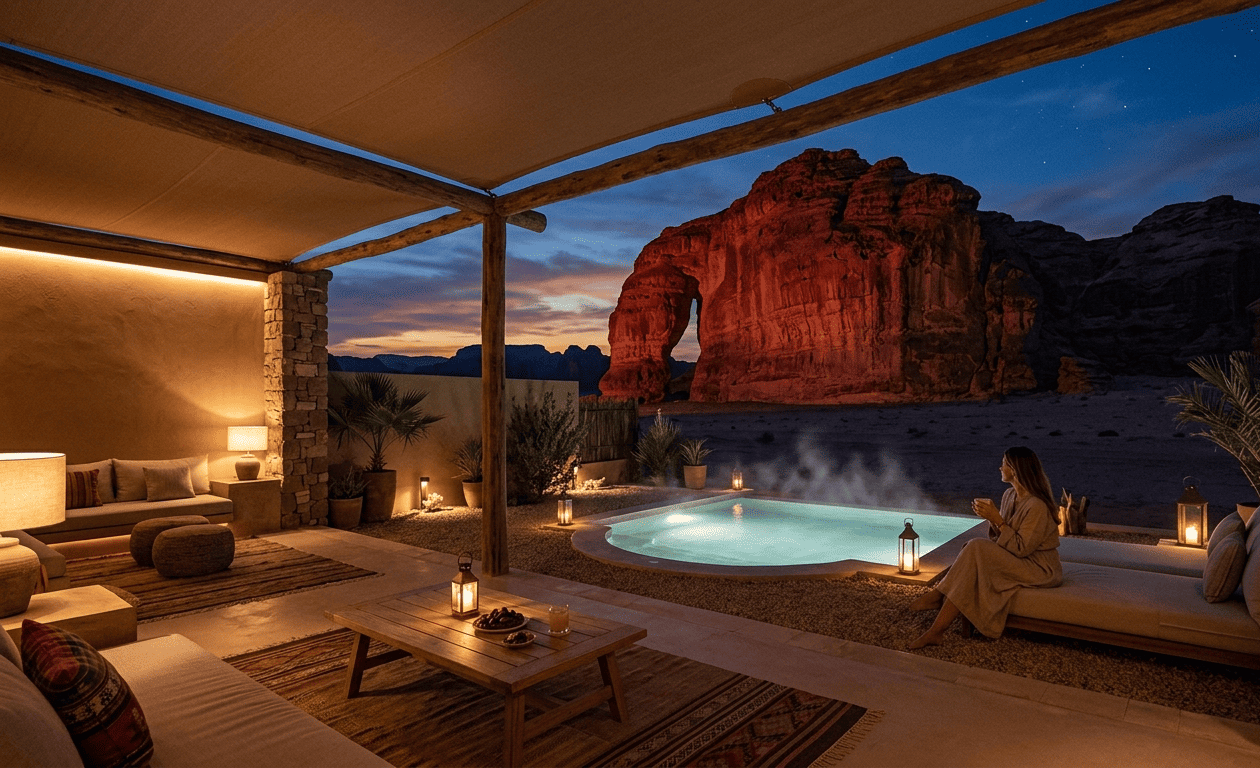
Rather than competing with the surrounding landscape, AlUla's luxury accommodations are masterfully integrated into the dramatic sandstone canyons. Properties such as Banyan Tree AlUla and Habitas AlUla offer minimalist luxury, emphasizing holistic mindfulness, villa-specific plunge pools, and open-air fine dining under the desert stars. This strategic blend of deep heritage exploration and top-tier wellness curation allows AlUla to secure some of the highest average daily rates (ADR) in the international luxury travel sector.
3. Sindalah and NEOM: The Future of Premium Yachting
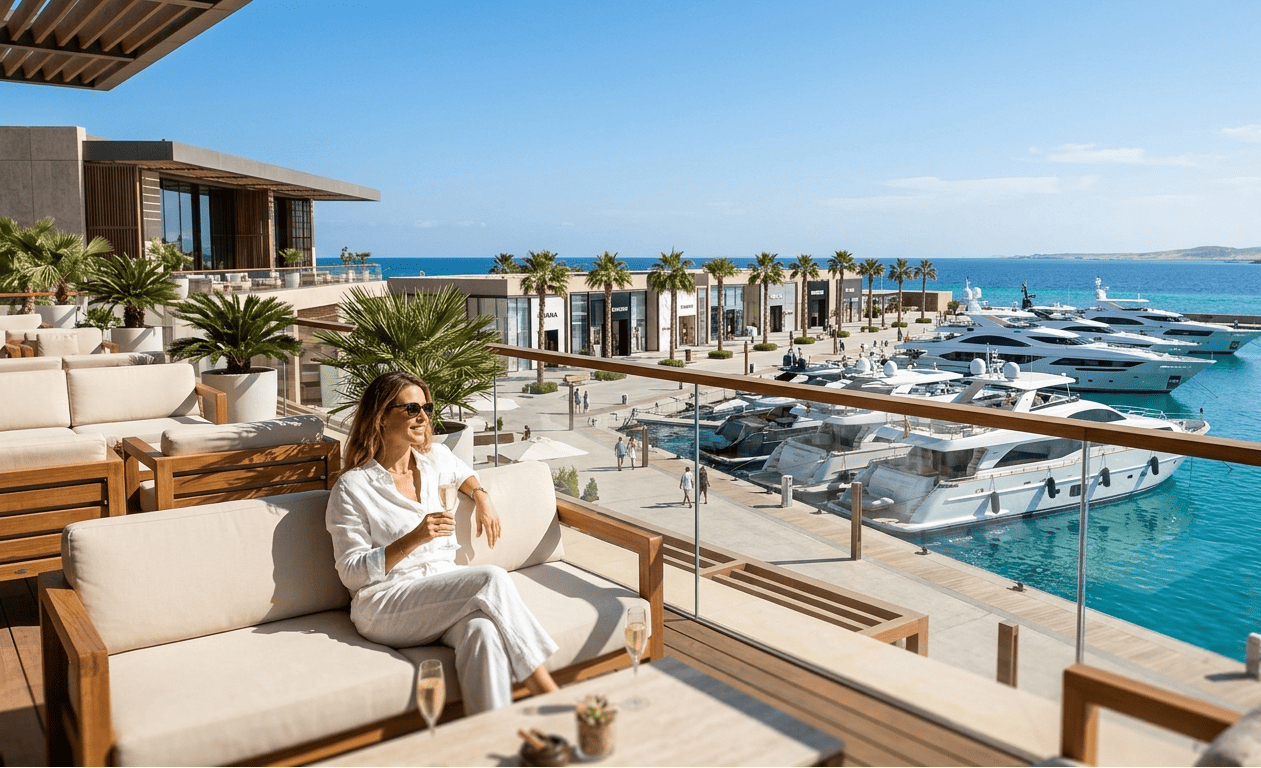
As part of the giga-project NEOM, the island of Sindalah introduces a completely new luxury hotspot to the global yachting calendar. Positioned as Saudi Arabia's first luxury island destination in the Red Sea, Sindalah is specifically engineered to compete with classic Mediterranean yachting hubs like Monaco and Porto Cervo.
Featuring a prestigious 86-berth marina, a world-class 9-hole golf course, and a cluster of high-end culinary concepts from Michelin-starred chefs, Sindalah serves as a glamorous playground for international high-net-worth individuals. Its unique geographical positioning offers a year-round warm climate, providing a winter alternative for mega-yachts migrating from Europe.