How Uzbekistan Became One of the World’s Fastest-Growing Tourism Destinations
Central Asia is currently home to the world’s most dramatic travel boom, and one nation is leading the charge. According to the latest data from the UN Tourism World Tourism Barometer, Uzbekistan has secured its position among the world's top five fastest-growing tourism destinations.
International visitor arrivals surged by 37% in the first quarter alone, a monumental growth rate that vastly outperformed the modest 2% global average bounce-back in international travel. After welcoming a record-breaking 11.7 million foreign tourists over 12 months, the country has already seen over 5.3 million arrivals in the opening months of the year, transforming tourism into a primary engine of national economic growth.
The Catalyst: Radical Visa Reforms and Openness
Uzbekistan’s meteoric rise is not an accident; it is the result of a deliberate, aggressive economic liberalization strategy championed by President Shavkat Mirziyoyev.
The primary driver has been radical visa simplification. The country has systematically dismantled barriers to entry by:
- Expanding visa-free access to citizens of more than 65 nations.
- Implementing a highly efficient electronic visa (e-visa) system for dozens of additional countries.
- Establishing a highly successful mutual visa-free regime with China, causing Chinese traveler numbers to skyrocket.
- Enacting full visa-free travel for United States citizens for stays up to 30 days.
By shedding its historical bureaucratic red tape, Uzbekistan has successfully rebranded itself from a remote, bucket-list niche into an incredibly competitive, accessible global hub.
Legendary Architecture Meets Modern Infrastructure
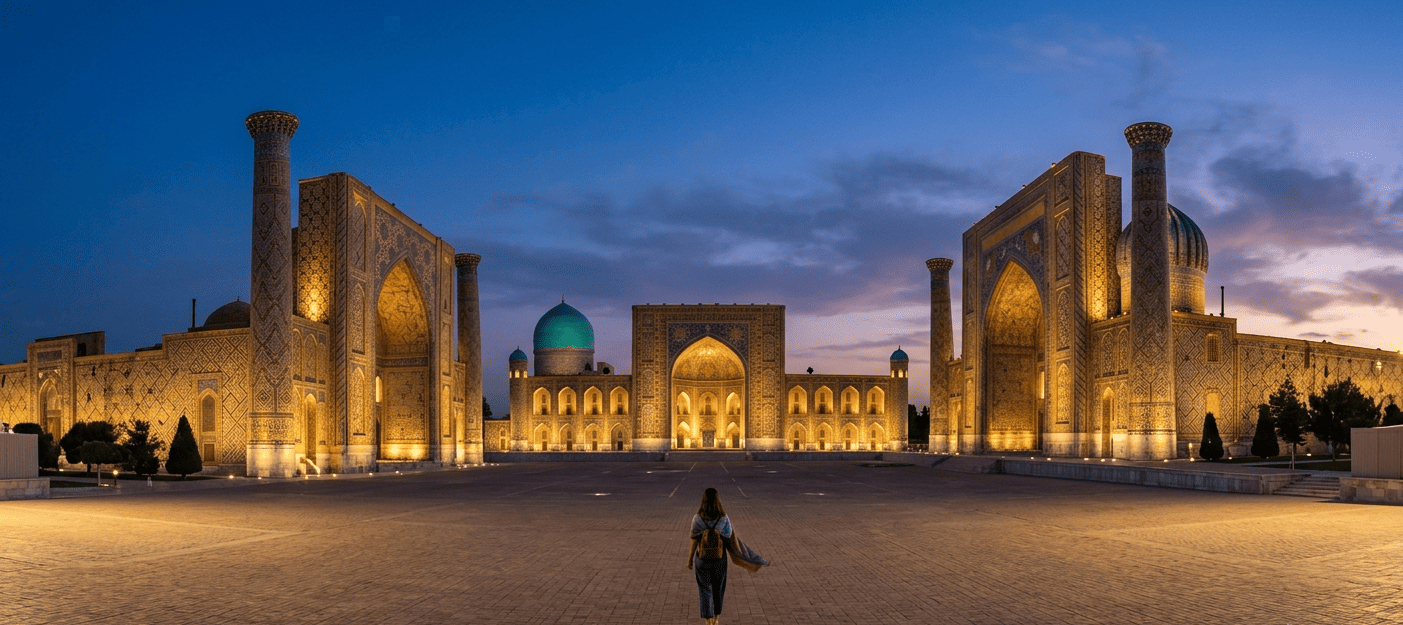
For centuries, cities like Samarkand, Bukhara, and Khiva lived in the imaginations of travelers as fabled, oasis trading posts along the ancient Silk Road. Today, those architectural wonders are more connected than ever.
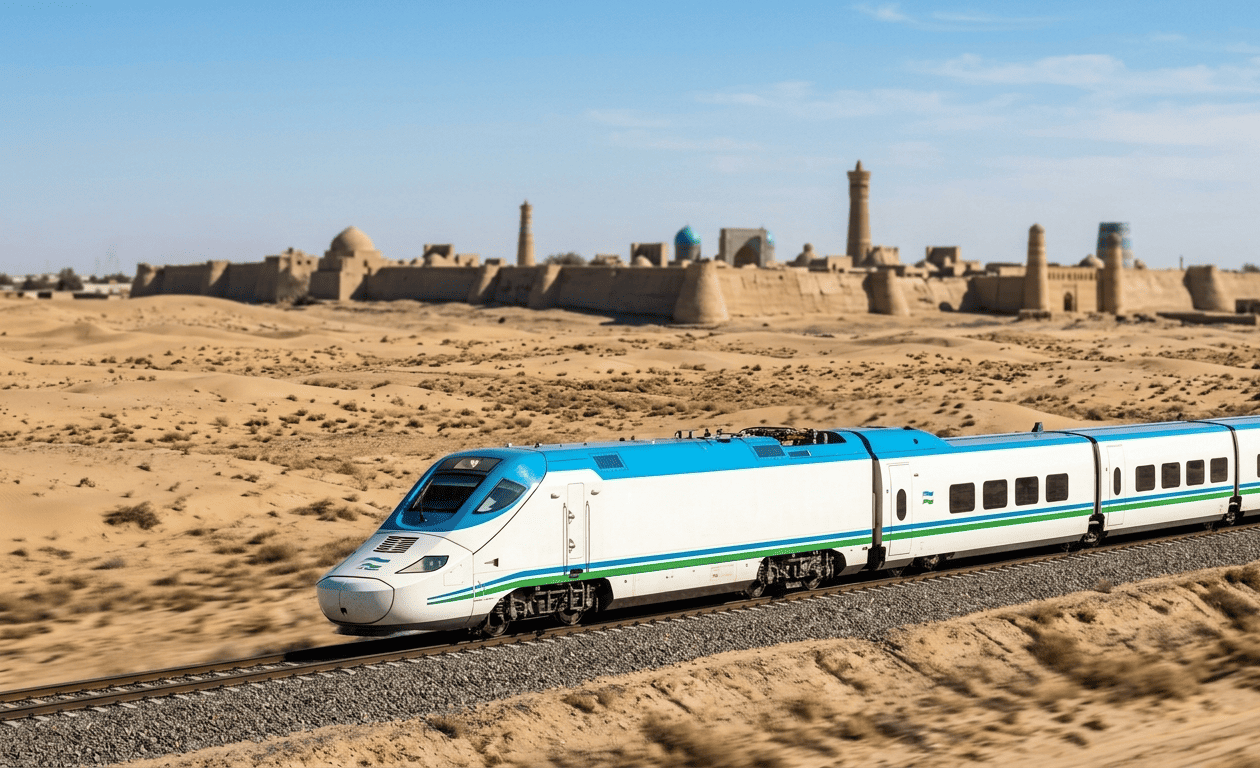
The government has poured billions into infrastructure. The expansion of the Afrosiyob high-speed bullet train network now allows travelers to zip between the capital city of Tashkent and the majestic turquoise domes of Samarkand’s Registan Square in just over two hours, rivaling Western European rail standards.
To track this immense scale of development and find upcoming luxury accommodation openings across these heritage sites, travelers can monitor the official announcements on the Uzbekistan National Ministry of Tourism portal. Furthermore, international investment has triggered a hotel construction boom, drastically improving service quality while keeping costs highly affordable for mid-tier and luxury travelers alike.
Beyond the Silk Road: The Rise of Niche Travel
While the jaw-dropping tilework of Islamic madrassahs remains the core draw, the tourism board is heavily promoting alternative travel verticals to diversify the economy:
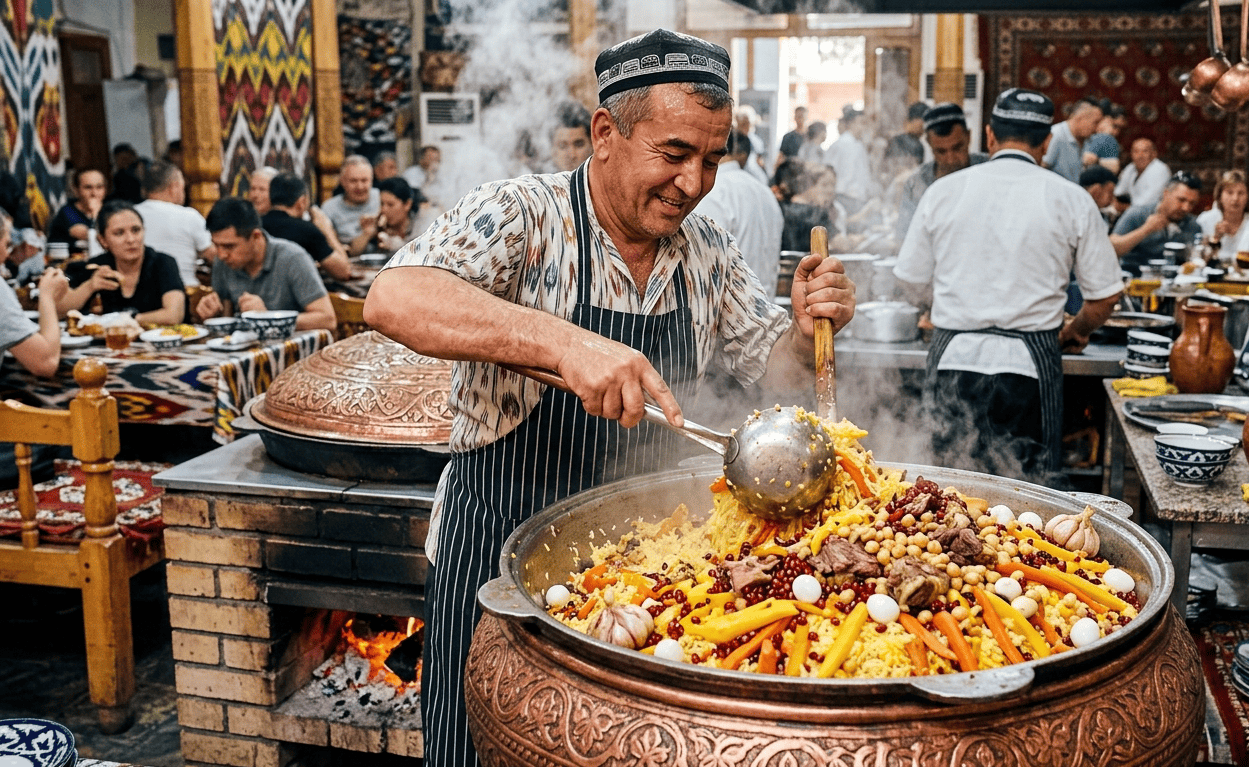
- Gastronomic Tourism: Travelers are increasingly flying in for culinary tours centered around Uzbekistan's rich food heritage, particularly its world-famous regional variations of Plov (savory rice, meat, and spice dish).
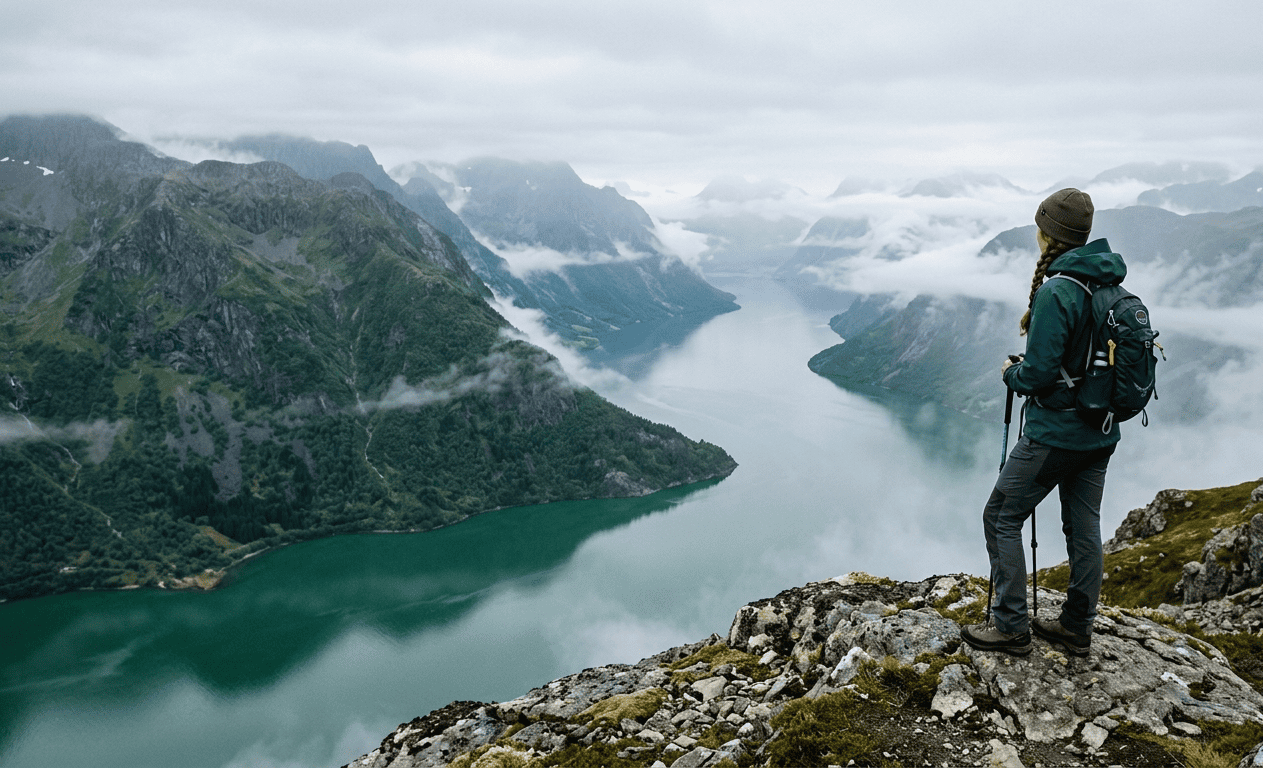
- Ecotourism and Adventure: The dramatic landscapes of the Tian Shan mountains and the yurt camps of the Kyzylkum Desert are drawing hikers, skiers, and off-road adventurers.
- Mega Events: Global visibility has been further amplified by major international showcases, including a recent, historic World Cup debut that spiked global digital search traffic for the country by a staggering 40%.