How Spain Continues to Lead Europe’s Post-Pandemic Tourism Recovery
Europe’s travel landscape has fully normalized, and one powerhouse is leaving no doubt about who holds the crown. According to the latest definitive data from the National Institute of Statistics (INE), Spain concluded its most successful year on record, welcoming a staggering 96.8 million international tourists.
This represents a 3.2% increase compared to the previous year. Far from a temporary post-pandemic surge, the momentum has charged straight into the current year, with Spain recording a historic 36.8 million international arrivals in just the first five months—a 5% year-on-year jump that firmly cements its position as the engine of European tourism recovery.
The Strategic Shift: Spending Beats Volume
The most critical takeaway from Spain's current tourism model isn’t just the sheer volume of travelers; it’s how much they are spending. Total accumulated spending by international visitors reached an astronomical €134.7 billion, outstripping arrival growth with a robust 6.8% increase.
This means individual tourists are staying longer and spending more per trip. The Spanish government has intentionally leveraged this trend to pivot away from mass overtourism toward a high-value, highly sustainable tourism model. During the first five months cumulative total, international visitors generated €50.0 billion in total tourist spending, representing a 7.8% year-on-year growth rate. Looking at individual month milestones, May single-month spending alone hit €13.5 billion, marking an impressive 10.9% jump.
By shifting the focus to destination revenue rather than mere headcounts, Spain is generating record-breaking economic returns while gradually managing the infrastructural pressure on its most popular local communities.
De-Seasonalisation and the Rise of "Inland Spain"
Historically, Spanish tourism was strictly synonymous with peak-summer beach holidays in July and August. Today, the Spain Tourism 2030 Strategy is successfully flattening that seasonal curve.
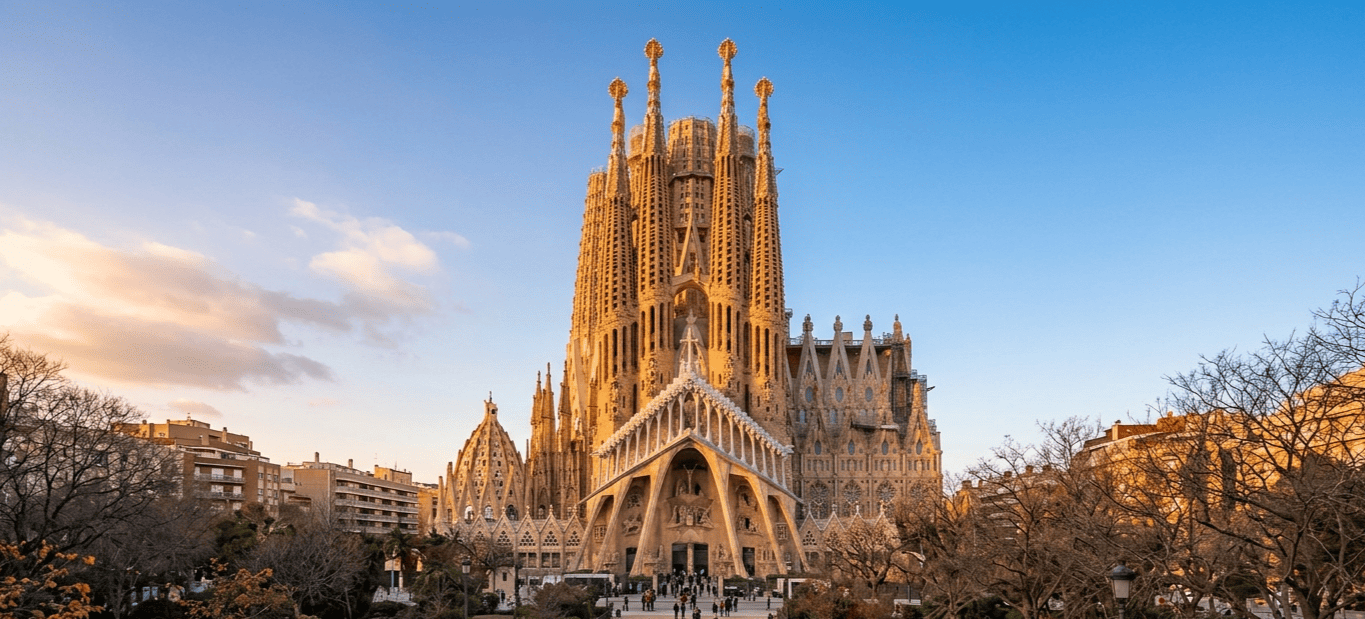
Off-peak and shoulder-season travel (such as winter and spring city breaks) are growing at double the rate of traditional summer slots. Furthermore, a profound geographic decentralization is underway. While coastal heavyweights like Catalonia (20 million annual visitors), the Balearic Islands, and the Canary Islands remain highly popular, travelers are increasingly venturing inward.
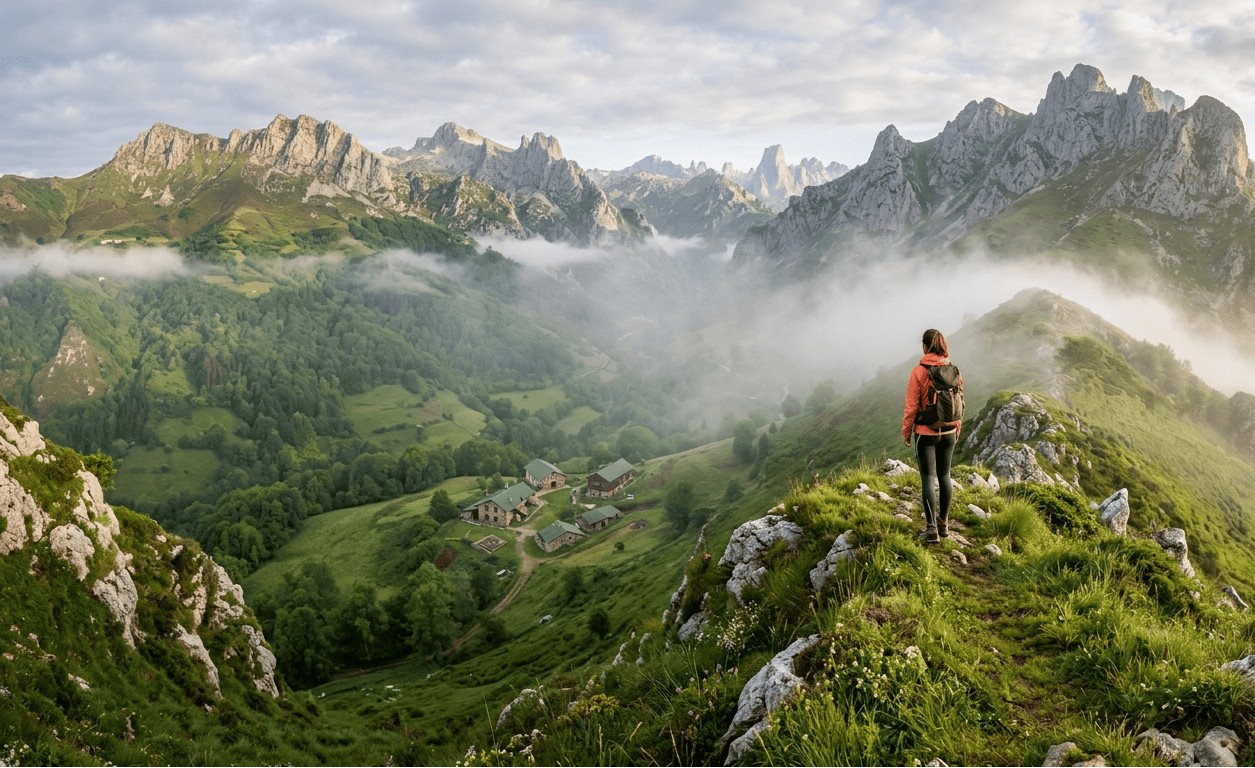
Regions colloquially known as "Green Spain" or "Emptied Spain"—the lush, rural, and mountainous northern territories and interior villages—have seen an incredible 60% surge in visitor numbers over recent years. Travelers are trading packed coastlines for boutique agritourism, cultural gastronomy, and historic hiking routes.
Tighter Regulations Reshaping the Market
With great popularity comes great responsibility. To safeguard local housing and preserve authentic community structures, Spain has introduced aggressive legislative measures.
Major urban hubs and island destinations have strictly tightened rules on short-term holiday rentals, leading to the first measurable decline in tourist-rental property quotas across top-tier destinations. Concurrently, demand for high-end boutique hotels has surged by over 7.3%, proving that travelers are willing to pay a premium for verified, organized, and luxury hospitality experiences.