
How Local Communities Benefit from Tourism


Tourism is one of the world's most influential industries, connecting people, cultures, and economies across borders. Every year, millions of travelers visit destinations to experience new cultures, explore natural wonders, learn about history, and create unforgettable memories. While tourism is often viewed from the perspective of travelers, its impact on local communities is equally significant.
When managed responsibly, tourism can become a powerful force for economic growth, cultural preservation, infrastructure development, and community empowerment. It creates opportunities for local residents, supports businesses, and helps communities showcase their unique identities to the world. From small rural villages to bustling urban centers, tourism has the potential to improve quality of life and generate long-term prosperity.
This article explores the many ways local communities benefit from tourism and why sustainable tourism practices are essential for ensuring these benefits continue for future generations.
Tourism as a Driver of Economic Growth
One of the most visible benefits of tourism is its contribution to local economies. When visitors arrive at a destination, they spend money on accommodation, transportation, food, entertainment, shopping, and various services. This spending circulates throughout the community, generating income for businesses and creating economic opportunities.
Hotels, guesthouses, restaurants, cafés, tour operators, transportation providers, and retail stores all benefit directly from tourist spending. As tourism grows, demand for these services increases, encouraging business expansion and attracting investment.
The economic impact extends beyond tourism-related businesses. Local farmers supply food to hotels and restaurants, artisans sell handmade products to visitors, and construction companies may be hired to develop tourism infrastructure. This creates a multiplier effect, where tourism spending supports numerous sectors of the local economy.
For many regions, particularly those with limited industrial development, tourism serves as a vital source of income and economic stability.
Creating Employment Opportunities
Tourism is a major source of employment worldwide. The industry generates jobs for people with diverse skills, educational backgrounds, and levels of experience.
Direct employment opportunities include positions such as hotel staff, tour guides, travel agents, transportation operators, restaurant workers, event organizers, and tourism managers. These jobs provide income for local residents and contribute to household financial security.
Tourism also creates indirect employment. Local suppliers, farmers, fishermen, artisans, maintenance workers, and service providers often experience increased demand as visitor numbers rise. As a result, tourism supports a broad network of economic activities beyond the hospitality sector.
Importantly, tourism can provide employment opportunities in rural and remote areas where other industries may be limited. This helps reduce unemployment and creates alternatives to migration, allowing people to remain in their communities while earning a living.
Supporting Small and Local Businesses
Tourism creates an environment where small businesses can thrive. Visitors often seek authentic experiences, local products, and unique services that reflect the character of a destination.
Family-owned restaurants, boutique hotels, souvenir shops, local markets, craft workshops, and cultural experience providers frequently benefit from tourist demand. These enterprises allow residents to participate directly in the tourism economy without requiring large investments.
Entrepreneurship often flourishes in tourism-driven communities. Residents may start businesses offering guided tours, traditional cooking classes, adventure activities, transportation services, or handmade products. Such ventures not only generate income but also strengthen the local economy by keeping tourism revenue within the community.
The success of local businesses contributes to economic diversity and resilience, reducing dependence on a single industry or employer.
Preserving Cultural Heritage and Traditions
Tourism can play a crucial role in preserving cultural heritage and traditional practices. Many communities possess unique customs, languages, crafts, music, dances, architecture, and historical sites that attract visitors from around the world.
When tourists show interest in local culture, communities often gain greater motivation to protect and celebrate their traditions. Cultural festivals, traditional performances, artisan workshops, and heritage museums may receive increased support due to tourism demand.
Traditional crafts that might otherwise decline can experience renewed popularity when visitors purchase handmade products. This helps preserve valuable skills and knowledge that have been passed down through generations.
Tourism also creates opportunities for cultural exchange. Local residents can share their stories, traditions, and perspectives with visitors, fostering greater appreciation and understanding between different cultures.
Improving Infrastructure and Public Services
Growing tourism often encourages investment in infrastructure that benefits both visitors and residents. Governments and private investors may fund projects designed to improve transportation, utilities, public spaces, and community facilities.
Examples of infrastructure improvements include:
- Better roads and highways
- Expanded public transportation systems
- Improved airports and transportation hubs
- Enhanced water and sanitation services
- Upgraded telecommunications networks
- Improved healthcare facilities
- Development of parks and recreational spaces
While these projects may initially be intended to support tourism, local communities frequently enjoy the long-term benefits. Improved infrastructure enhances quality of life, facilitates business activities, and increases access to essential services.
In many destinations, tourism has accelerated development that might otherwise have taken decades to achieve.
Encouraging Environmental Conservation
Natural attractions such as forests, mountains, beaches, lakes, and wildlife reserves are often among a destination's most valuable tourism assets. As a result, tourism can create incentives for environmental conservation.
Communities and governments recognize that preserving natural resources is essential for maintaining visitor interest and sustaining tourism revenue. This awareness can lead to the establishment of protected areas, conservation programs, and environmental education initiatives.
Revenue generated from tourism often supports conservation projects, wildlife protection efforts, and ecosystem restoration programs. Entrance fees, tourism taxes, and eco-tourism activities can provide funding for environmental management.
When local residents see tangible economic benefits from preserving natural resources, they may become more actively involved in conservation efforts, creating a mutually beneficial relationship between tourism and environmental protection.
Empowering Women and Marginalized Groups
Tourism can create meaningful opportunities for women, youth, and marginalized populations who may face barriers to employment in other sectors.
Many tourism-related businesses are accessible to entrepreneurs and workers from diverse backgrounds. Women often play important roles in hospitality, handicraft production, cultural tourism, and small business ownership.
Tourism initiatives that prioritize community participation can provide training, education, and leadership opportunities for underrepresented groups. This contributes to greater economic independence and social inclusion.
In many communities, tourism has helped women become business owners, community leaders, and contributors to household income, resulting in broader social and economic benefits.
Strengthening Community Pride and Identity
When visitors appreciate a community's culture, traditions, and environment, residents often develop a stronger sense of pride in their heritage.
Tourism encourages communities to recognize the value of their unique identity and cultural assets. Historic buildings may be restored, traditional festivals revived, and local stories preserved for future generations.
This increased pride can strengthen social cohesion and encourage residents to become active participants in community development initiatives. People are often more motivated to protect and promote places they recognize as valuable and appreciated by others.
Community pride not only enhances tourism experiences but also contributes to overall social well-being and cultural resilience.
Promoting Cultural Exchange and Global Understanding
Tourism brings people from different backgrounds together, creating opportunities for meaningful interactions and cultural learning.
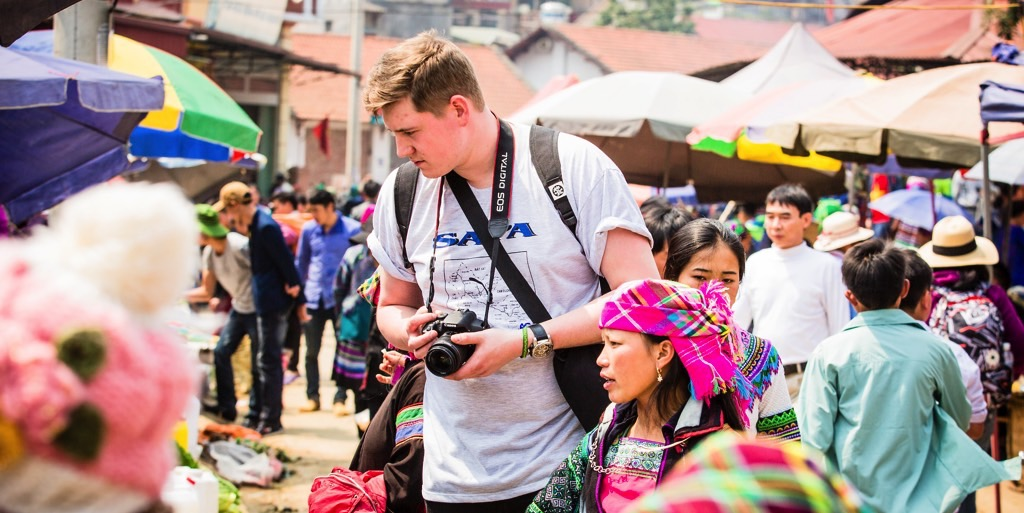
Visitors gain insight into local customs, lifestyles, and perspectives, while residents learn about cultures from around the world. These exchanges can reduce stereotypes, promote tolerance, and foster mutual respect.
In an increasingly interconnected world, tourism serves as a bridge between cultures, helping communities develop a broader understanding of global diversity.
Such interactions can be especially valuable for younger generations, who gain exposure to new ideas, languages, and opportunities through contact with international visitors.
Challenges and the Importance of Sustainable Tourism
While tourism offers many benefits, it can also create challenges if not managed responsibly. Overcrowding, environmental degradation, rising living costs, and cultural commercialization can negatively affect local communities.
To maximize benefits while minimizing negative impacts, sustainable tourism practices are essential. Sustainable tourism focuses on balancing economic growth, environmental protection, and community well-being.
Key principles of sustainable tourism include:
- Supporting local businesses and workers
- Protecting natural resources
- Preserving cultural heritage
- Encouraging responsible visitor behavior
- Involving local communities in decision-making
- Ensuring tourism revenues benefit residents
When communities actively participate in tourism planning and management, they are better positioned to shape development in ways that align with their long-term goals and values.
Conclusion
Tourism is far more than a source of entertainment for travelers; it is a powerful tool for community development. Through job creation, economic growth, cultural preservation, infrastructure improvements, environmental conservation, and social empowerment, tourism can significantly enhance the well-being of local communities.
The most successful tourism destinations are those that recognize the importance of placing communities at the center of development efforts. When residents benefit directly from tourism and have a voice in shaping its future, destinations become stronger, more resilient, and more sustainable.
As travelers continue to explore the world, supporting responsible and community-focused tourism can help ensure that the positive impacts of tourism are shared by everyone. By valuing local people, cultures, and environments, tourism can become a force for lasting prosperity and meaningful global connection.