How Italy Airport Strikes Are Affecting European Travel
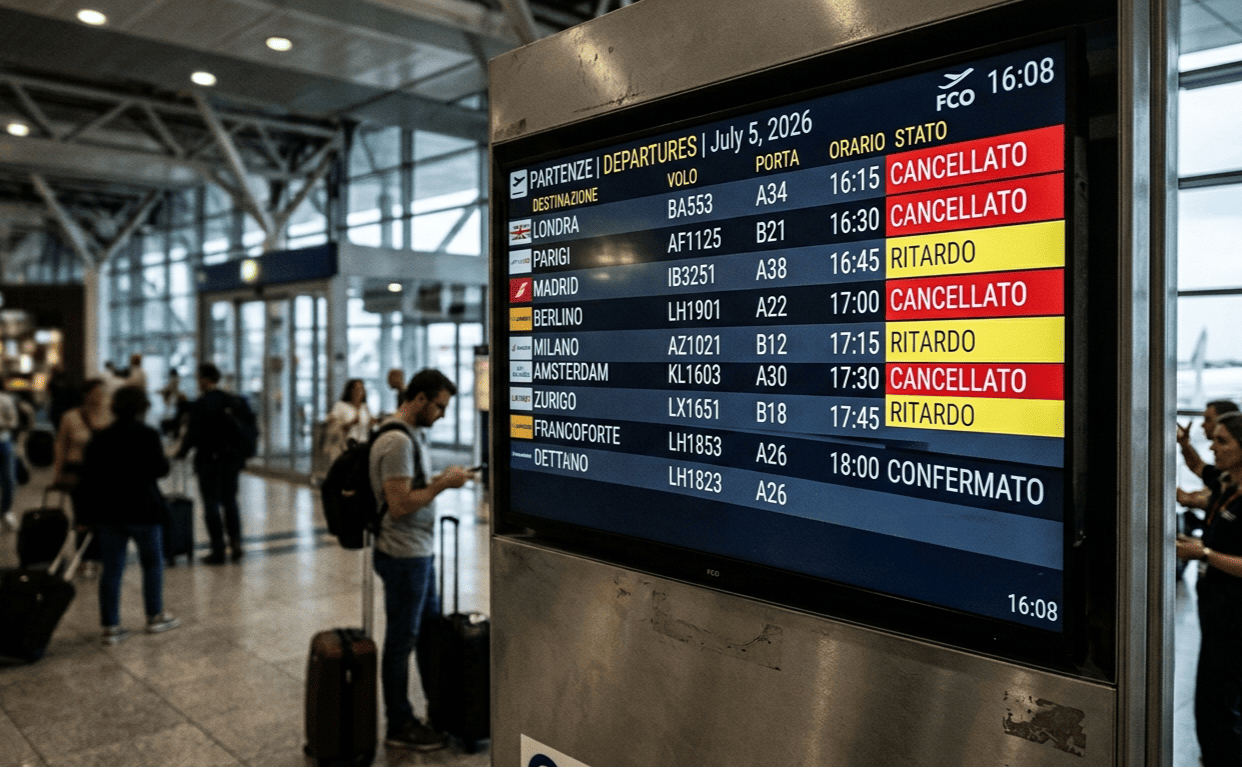
Summer travel across Europe is facing a familiar bottleneck as Italy’s aviation sector experiences a series of highly coordinated industrial walkouts. With tens of thousands of travelers scrambling to alter bookings, nationwide strikes are impacting air traffic control, baggage handling, and airport operations at some of the country’s busiest gateways.
For travelers heading to Rome, Milan, Venice, or transiting through Italian airspace, understanding the legal framework and scheduling nuances of these strikes is critical to minimizing disruption.
Why Italy’s Aviation Gridlock is Rippling Across Europe
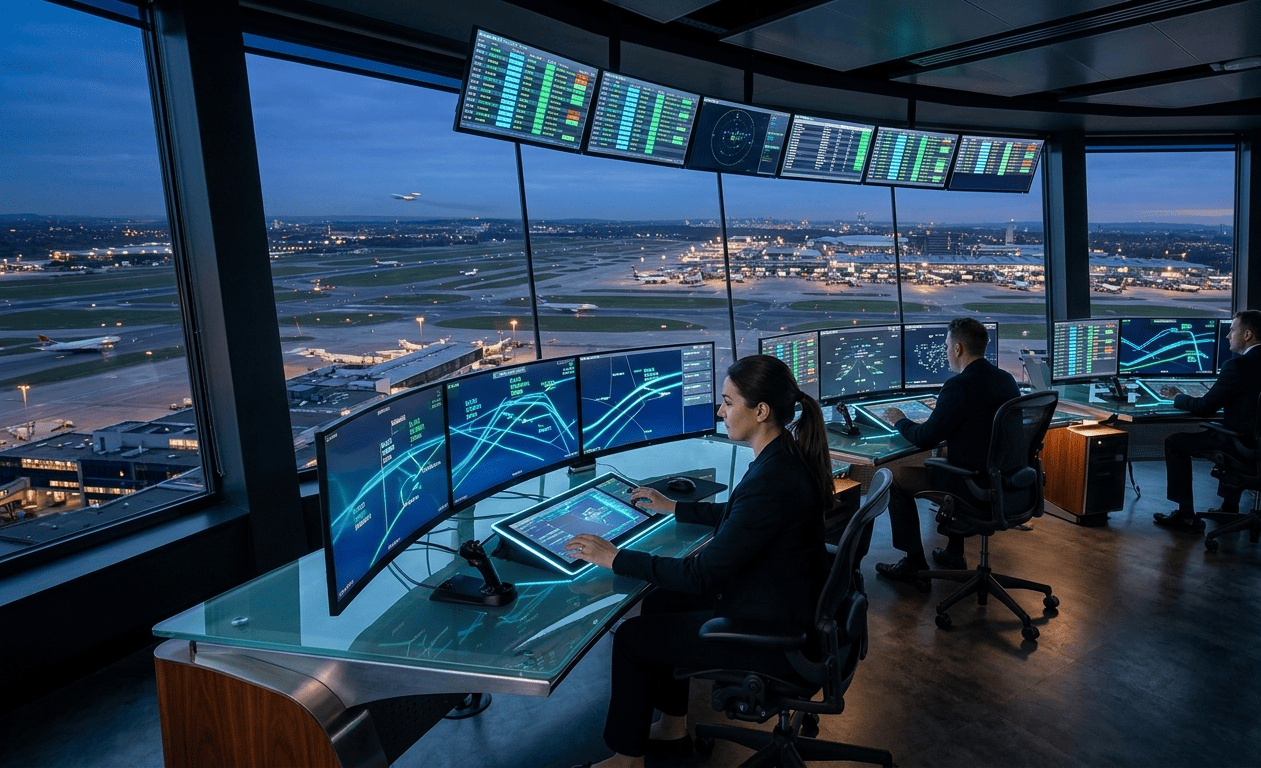
The recent disruptions highlight just how interconnected European aviation is. Coordinated strikes by major unions—including ENAV air traffic controllers, Assohandlers ground staff, and regional airport security teams—have repeatedly triggered ground stops.
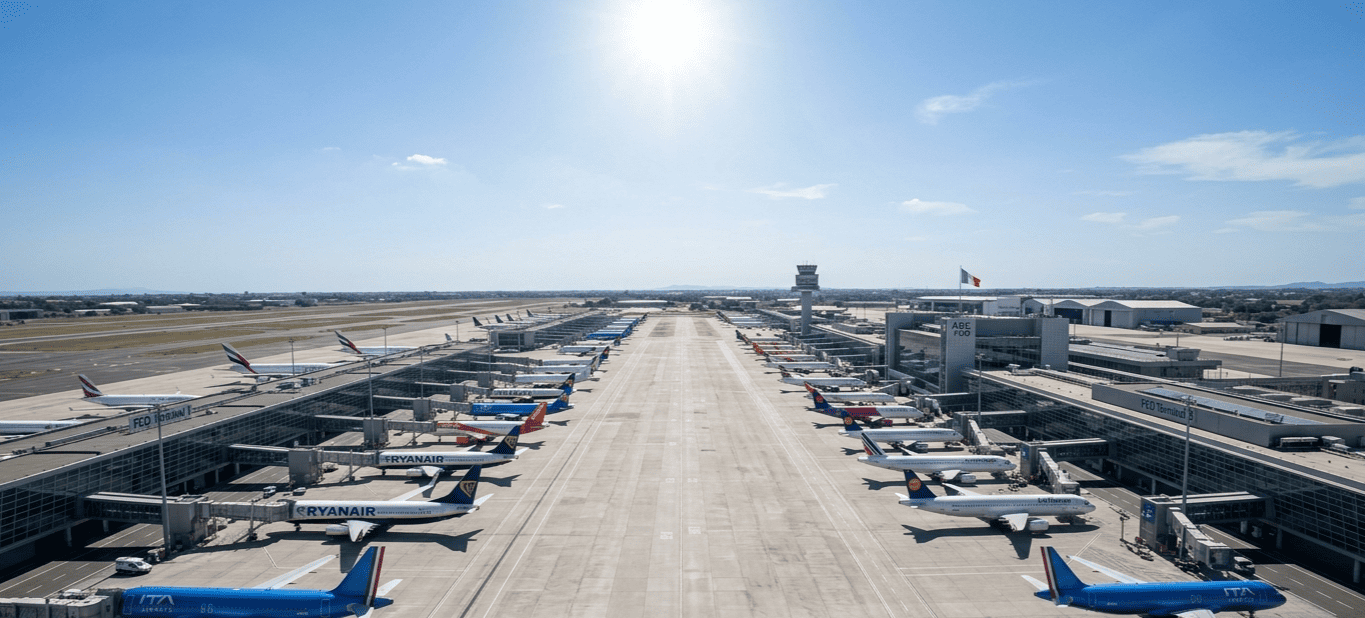
The primary operational bottlenecks are centered around key infrastructure:
- Northern Airspace Vulnerability: Walkouts by air traffic controllers at Milan Malpensa often ground flights across all of northern Italy. Because this facility manages a massive transit corridor, these strikes delay flights that are simply passing over the region, even if they aren't landing in Italy.
- Ground Handling and Refuelling Freezes: Nationwide ground-handling disputes halt critical services behind the scenes. When baggage managers, check-in attendants, and fueling crews walk out, planes are left stranded on turnarounds, causing cascading delays for subsequent flights throughout the continent.
- Terminal Bottlenecks: Security-screening staff walkouts, particularly at Rome Fiumicino and Rome Ciampino, lead to extreme wait times inside terminal hubs, forcing airlines to delay gate closures.
To stay updated on the most current active walkout windows and plan alternative itineraries, travelers can monitor the live announcements on the Italian Civil Aviation Authority (ENAC) official portal. Major carriers like ITA Airways and Ryanair have actively adapted by proactively trimming schedules during high-risk windows to prevent aircraft from getting trapped out of position.
The Secret Weapon for Travelers: Italy’s Protected Windows
While industrial action in Italy can seem unpredictable, Italian labor law provides a unique safety net for passengers that does not exist in most other European nations.
By law, ENAC enforces mandatory "guaranteed service windows" during which flights are legally protected from strike actions. Regardless of the scale of a 24-hour strike, flights scheduled within the following windows are required to operate:
- Morning Window: 7:00 AM to 10:00 AM
- Evening Window: 6:00 PM to 9:00 PM
Know Your Passenger Rights Under EC 261
If your flight into or out of Italy is delayed or canceled due to a strike, your financial recourse depends heavily on who is striking.
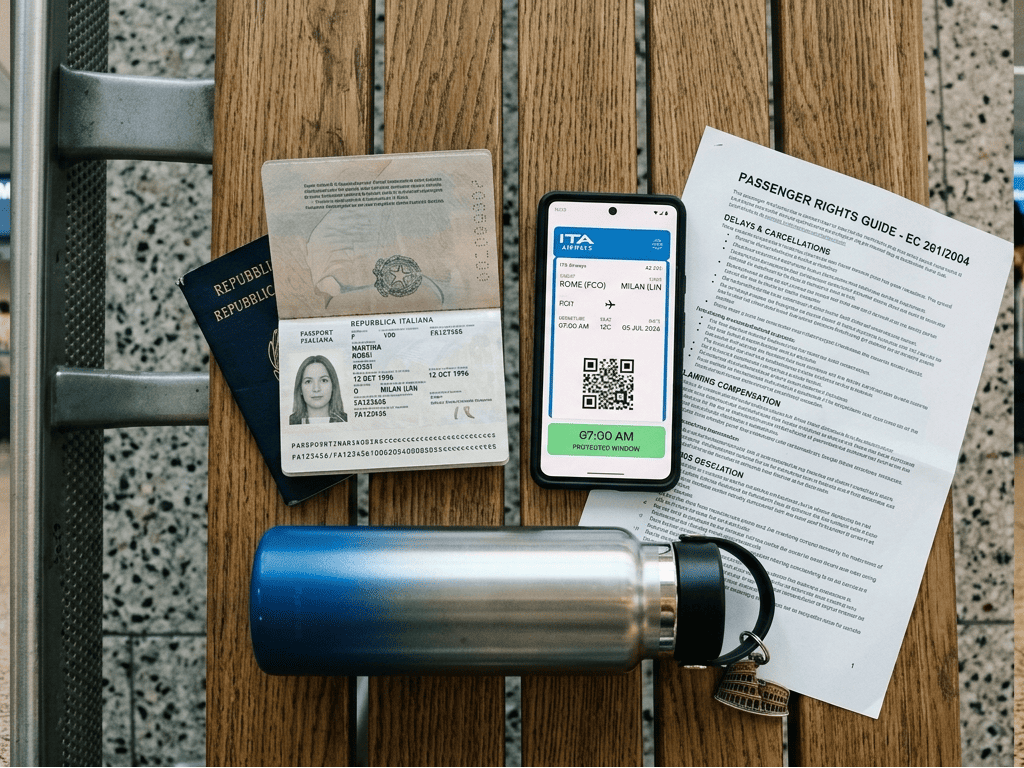
Under EU Regulation 261/2004 (EC 261), if a flight is canceled or delayed by more than three hours, passengers are entitled to a choice between a full ticket refund or a re-routed flight to their destination, alongside necessary meals and refreshments. However, the rules regarding cash compensation (up to €600) vary:
- Airline Staff Strikes: If pilots, cabin crew, or engineers of your specific airline strike, it is legally considered within the airline's control. You may be fully eligible for financial compensation.
- Third-Party Airport Strikes: If air traffic control (ENAV) or airport-wide ground handlers walk out, it is classified as an "extraordinary circumstance". While cash compensation typically does not apply here, the airline is still legally obligated to provide "duty of care," which includes paying for meals, drinks, and overnight hotel accommodation if you are delayed.