Hidden Gems in Popular Destinations: Discovering the Secret Side of Travel

When planning a trip, most travelers naturally gravitate toward famous landmarks, iconic attractions, and must-see tourist hotspots. From world-renowned monuments and historic sites to bustling city centers and famous beaches, these attractions often dominate travel itineraries. While these destinations are undoubtedly worth visiting, they can also be crowded, expensive, and sometimes overwhelming.
Beyond the well-known attractions lies another world waiting to be discovered—a world of hidden gems. These lesser-known places offer authentic experiences, unique cultural encounters, breathtaking scenery, and opportunities to connect with destinations on a deeper level. Exploring hidden gems allows travelers to escape the crowds, uncover local secrets, and create memories that feel truly personal.
In this article, we will explore why hidden gems matter, how to find them, and some remarkable examples from popular destinations around the world.
What Makes a Place a Hidden Gem?
A hidden gem is a location that remains relatively unknown to the average tourist despite offering exceptional beauty, cultural significance, or unique experiences. Hidden gems may include secluded beaches, charming neighborhoods, historic villages, local markets, secret viewpoints, family-run restaurants, or natural wonders tucked away from mainstream tourism routes.
What makes these places special is not simply their obscurity but the authentic experiences they provide. Visitors often find fewer crowds, more meaningful interactions with locals, and opportunities to experience a destination as residents do rather than through a purely tourist lens.
Unlike famous attractions that appear on every travel brochure, hidden gems often require a little curiosity and exploration. The reward, however, is often well worth the effort.
Why Travelers Are Seeking Hidden Gems
Modern travelers are increasingly looking for experiences rather than simply checking landmarks off a list. Social media, travel documentaries, and digital travel communities have inspired people to seek destinations that feel unique and personal.
One major reason hidden gems are gaining popularity is the desire to avoid overcrowding. Many famous attractions experience thousands of visitors every day, leading to long lines, traffic congestion, and diminished enjoyment. Hidden locations offer a quieter alternative where visitors can appreciate the surroundings without distractions.
Additionally, hidden gems often provide a more authentic glimpse into local culture. Travelers can discover traditional customs, regional cuisine, local craftsmanship, and everyday life that may be difficult to experience in heavily commercialized tourist zones.
Finally, exploring lesser-known locations often supports local communities more directly. Small businesses, family-owned restaurants, local guides, and independent accommodations benefit significantly from visitors who venture beyond mainstream attractions.
Hidden Gems in Paris
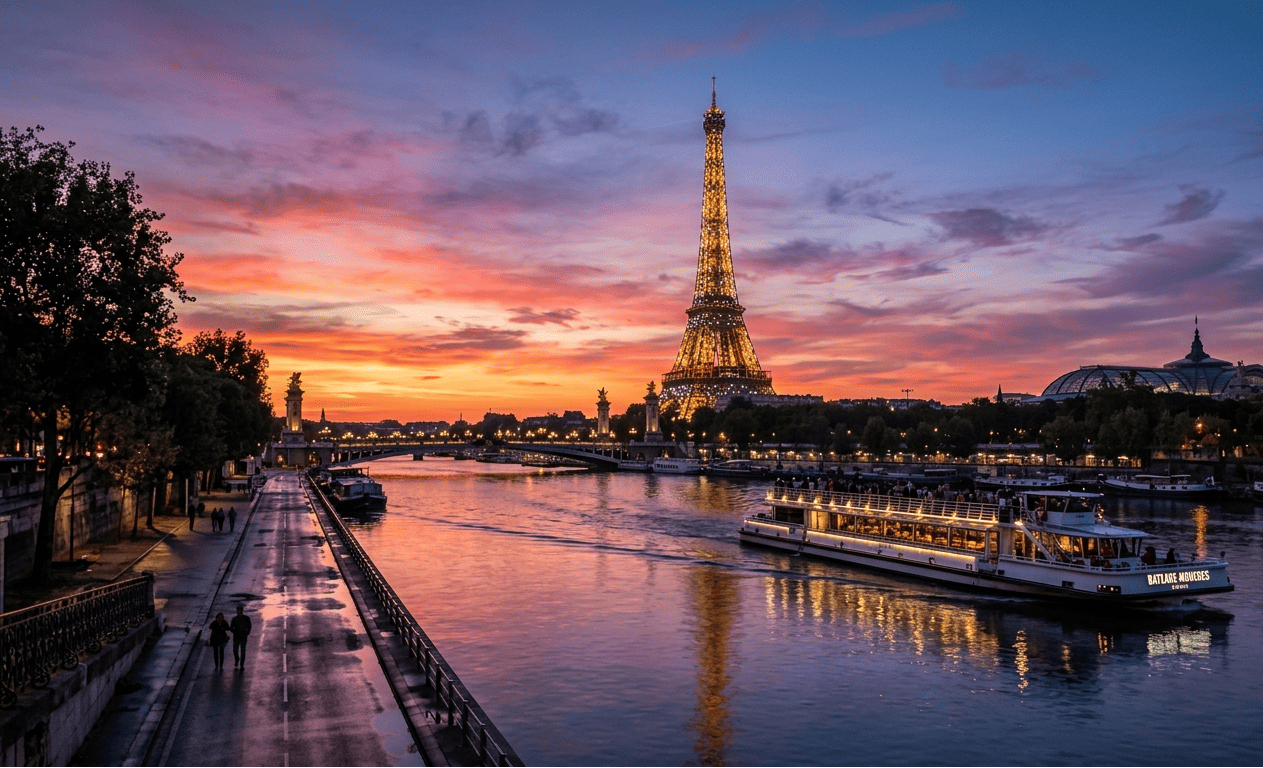
Millions of travelers visit Paris every year to see famous landmarks such as the Eiffel Tower, the Louvre, and Notre-Dame Cathedral. However, beyond these iconic attractions lies a collection of fascinating hidden treasures.
One such gem is the Canal Saint-Martin district. While tourists crowd the city's major monuments, locals gather along the canal's scenic pathways, enjoying cafés, boutiques, and peaceful waterside views. The neighborhood provides an entirely different perspective of Paris, one focused on everyday Parisian life.
Another hidden treasure is Rue Crémieux, a colorful residential street lined with vibrant houses. Often compared to famous colorful streets in other European cities, it offers excellent photography opportunities while maintaining a quiet atmosphere.
Travelers seeking green spaces can visit Parc des Buttes-Chaumont, a stunning park featuring cliffs, waterfalls, bridges, and panoramic city views. Despite its beauty, it remains far less crowded than many of Paris's more famous attractions.
Hidden Gems in Rome
Rome is known worldwide for the Colosseum, the Roman Forum, and Vatican City. Yet many visitors overlook some of the city's most enchanting locations.
The Aventine Keyhole is one of Rome's most intriguing secrets. Looking through an ordinary keyhole reveals a perfectly framed view of St. Peter's Basilica surrounded by lush gardens. The experience feels almost magical and remains unknown to many first-time visitors.
Another remarkable hidden gem is Quartiere Coppedè, an architectural district showcasing a fascinating blend of Art Nouveau, Gothic, Baroque, and medieval influences. Walking through the neighborhood feels like stepping into a fantasy world.
For travelers interested in history, the Basilica of San Clemente offers an extraordinary journey through time. Beneath the church lie multiple archaeological layers that reveal centuries of Roman history hidden below the modern city.
Hidden Gems in Bali
Bali attracts millions of tourists seeking tropical beaches, luxury resorts, and vibrant nightlife. However, many of the island's most rewarding experiences are found away from the busiest tourist areas.
The Sidemen Valley offers stunning rice terraces, traditional villages, and peaceful mountain scenery. Compared to Bali's crowded hotspots, Sidemen provides a tranquil atmosphere where visitors can immerse themselves in local culture.
Another hidden paradise is Tukad Cepung Waterfall. Reached through a cave-like pathway, the waterfall creates spectacular light effects when sunlight streams through the rock formations above.
Travelers willing to explore northern Bali can discover untouched beaches, traditional fishing communities, and scenic landscapes that showcase a quieter side of the island.
Hidden Gems in New York City
New York City is famous for Times Square, Central Park, and the Statue of Liberty, but countless hidden treasures exist beyond the typical tourist itinerary.
The Elevated Acre is a peaceful rooftop park hidden among the skyscrapers of Lower Manhattan. Offering beautiful views of the East River, it remains surprisingly quiet despite its central location.
Another lesser-known attraction is Roosevelt Island. Accessible by aerial tramway, the island provides unique perspectives of the Manhattan skyline along with scenic walking paths and historical landmarks.
For art lovers, small independent galleries in neighborhoods such as Chelsea and Brooklyn often provide more intimate and memorable experiences than larger museums.
How to Find Hidden Gems While Traveling
Finding hidden gems requires curiosity, flexibility, and a willingness to explore beyond traditional guidebooks.
One of the most effective strategies is speaking with locals. Restaurant owners, taxi drivers, hotel staff, and residents often know the best places that tourists rarely discover.
Travelers can also explore neighborhoods outside the main tourist districts. Walking without a strict itinerary often leads to unexpected discoveries, from hidden cafés to charming local markets.
Researching local blogs, travel forums, and community recommendations can uncover places that larger travel publications may overlook. Many hidden gems gain popularity through word-of-mouth rather than traditional tourism marketing.
Additionally, choosing slower travel experiences allows more opportunities for spontaneous exploration. Rather than rushing between major attractions, spending extra time in a destination often reveals its most memorable secrets.
The Benefits of Exploring Beyond the Tourist Trail
Choosing hidden gems over exclusively famous attractions can transform a trip from ordinary to extraordinary. Travelers gain access to quieter environments, authentic cultural experiences, and unique stories that few others can share.
These experiences often create stronger emotional connections to destinations because they feel personal and unexpected. Instead of following the same path as millions of visitors, travelers become explorers, uncovering aspects of a place that remain hidden from the majority.
Furthermore, distributing tourism across lesser-known areas can help reduce pressure on overcrowded destinations while supporting local economies more sustainably.
Conclusion
The world's most famous attractions deserve their reputation, but the true magic of travel often lies beyond the guidebook highlights. Hidden gems offer authenticity, tranquility, and a deeper understanding of the places we visit. Whether it's a secret viewpoint in Rome, a quiet valley in Bali, a colorful street in Paris, or a rooftop garden in New York City, these discoveries enrich travel experiences in ways that iconic landmarks alone cannot.
The next time you plan a journey, leave room for exploration. Venture beyond the tourist trail, follow local recommendations, and embrace the unexpected. You may find that the most memorable part of your trip is the place you never planned to visit at all.