
From 3,000 yen to 15,000 yen: Japan Announces First Visa Price Hike in Nearly 50 Years
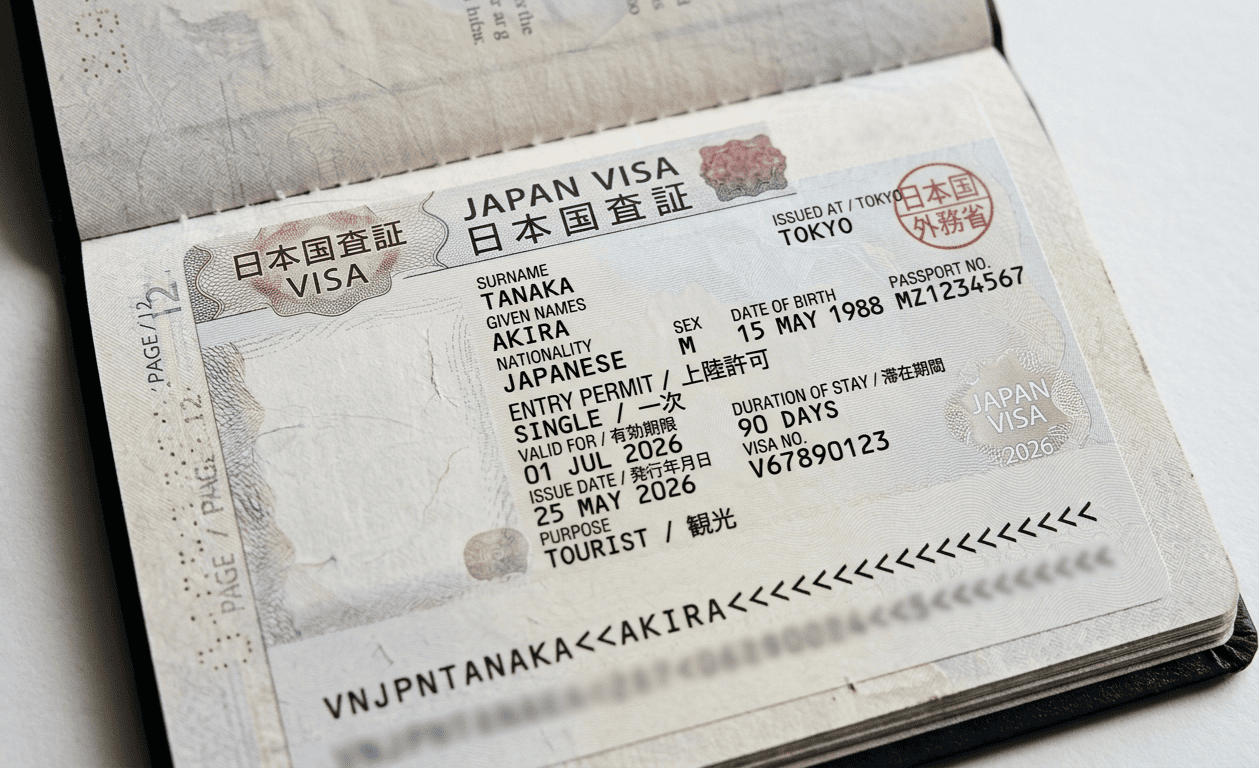
In the first adjustment of its kind in nearly half a century, the Japanese government has approved a significant increase to its international visa issuance fees. Starting July 1, 2026, travelers who require a pre-travel visa to enter the country will see application costs quintuple.
The decision, finalized during a Cabinet meeting, marks the first time Japan has raised its consular entry visa fees since 1978. Government officials cited decades of inflation, rising administrative expenses, and sharp exchange rate fluctuations as the driving factors behind the revision.
The New Fee Breakdown
The cost adjustment directly impacts standard short-term tourist and long-term entry visas processed at Japanese embassies and consulates globally. Rates are set uniformly in Japanese Yen, though they are typically paid in local equivalent currencies depending on the processing location.
Under the new structure, a standard Single-Entry Visa will jump from the current rate of 3,000 yen (approximately $20) to 15,000 yen (approximately $100). Frequent travelers will face an even higher barrier, with Multiple-Entry Visas skyrocketing from 6,000 yen (around $40) to 30,000 yen (around $200).
Fortunately for a large portion of global travelers, the Visa-Exempt Short Stay tier will remain entirely free at 0 yen.
The updated pricing structure applies strictly to new applications submitted on or after July 1, 2026. Applications filed before this date will be honored under the legacy rate, even if the visa is issued or collected after the cutoff.
Who is Impacted?
While the news has sparked widespread discussion across travel communities, the practical impact depends entirely on a traveler’s nationality and purpose of travel.
1. Standard Tourists from Visa-Exempt Nations
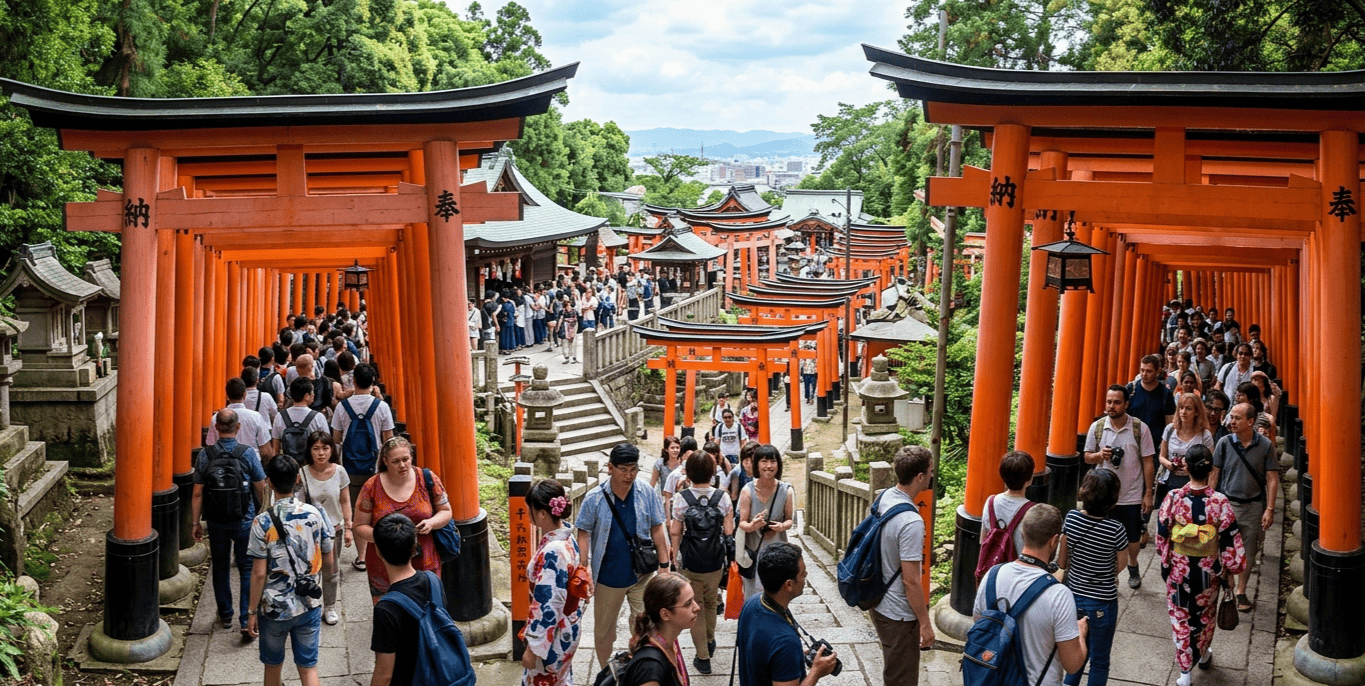
If you hold a passport from one of the 74 countries that currently enjoy bilateral visa-exemption agreements with Japan—including the United States, Canada, the United Kingdom, Australia, New Zealand, Singapore, and most European Union members—you are not affected by this change. Visitors from these nations can still enter Japan for tourist stays of up to 90 days without a visa and without paying these processing fees.
2. Travelers from Visa-Required Countries
The fivefold fee hike will heavily affect tourists, business travelers, and family visitors from countries that do not have exemption agreements. This includes major inbound tourism markets like China, India, Russia, and Vietnam.
3. Students, Workers, and Long-Term Residents
Even if your home country enjoys a tourist visa exemption, anyone moving to Japan to work, study, or join a spouse must apply for a proper entry visa prior to arrival. These long-term entrants will face the new 5,000 yen single-entry fee starting July 1. Furthermore, travelers should prepare for shifting procedural guidelines at embassies; for example, the Embassy of Japan in Malaysia has announced a transition to mandatory online appointment scheduling for any applications occurring on or after July 1.
A Broader Immigration Overhaul
During a press conference, Foreign Minister Toshimitsu Motegi addressed the sharp increases, stating that the government does not anticipate an immediate slowdown in inbound tourism.
"The current visa fee was set in 1978, and we have recently revised it to reflect inflation and exchange rate fluctuations since then," Motegi explained. He noted that the new numbers align Japan more closely with standard entry costs implemented across other Group of Seven (G7) nations.
The adjustment is part of a larger, systemic upgrade to Japan's border and immigration management. The country has been gradually scaling its Japan eVISA platform to modernize short-term tracking. According to digital checklists on Heymondo, all arriving tourists must still complete mandatory immigration declarations via the official Visit Japan Web digital portal prior to landing.
Furthermore, as outlined by Time Out Tokyo, the government is moving forward with the development of JESTA (Japan Electronic Travel Authorization). Similar to the U.S. ESTA or European ETIAS, JESTA will eventually require visa-exempt tourists to complete an online pre-screening declaration before boarding their flights.
Travelers intending to submit a visa application are highly encouraged to compile their documentation and submit applications through their local consulate before the July 1 deadline to lock in the historical rates.