FIFA World Cup 2026 Sparks Major Travel Booking Surge Across North America
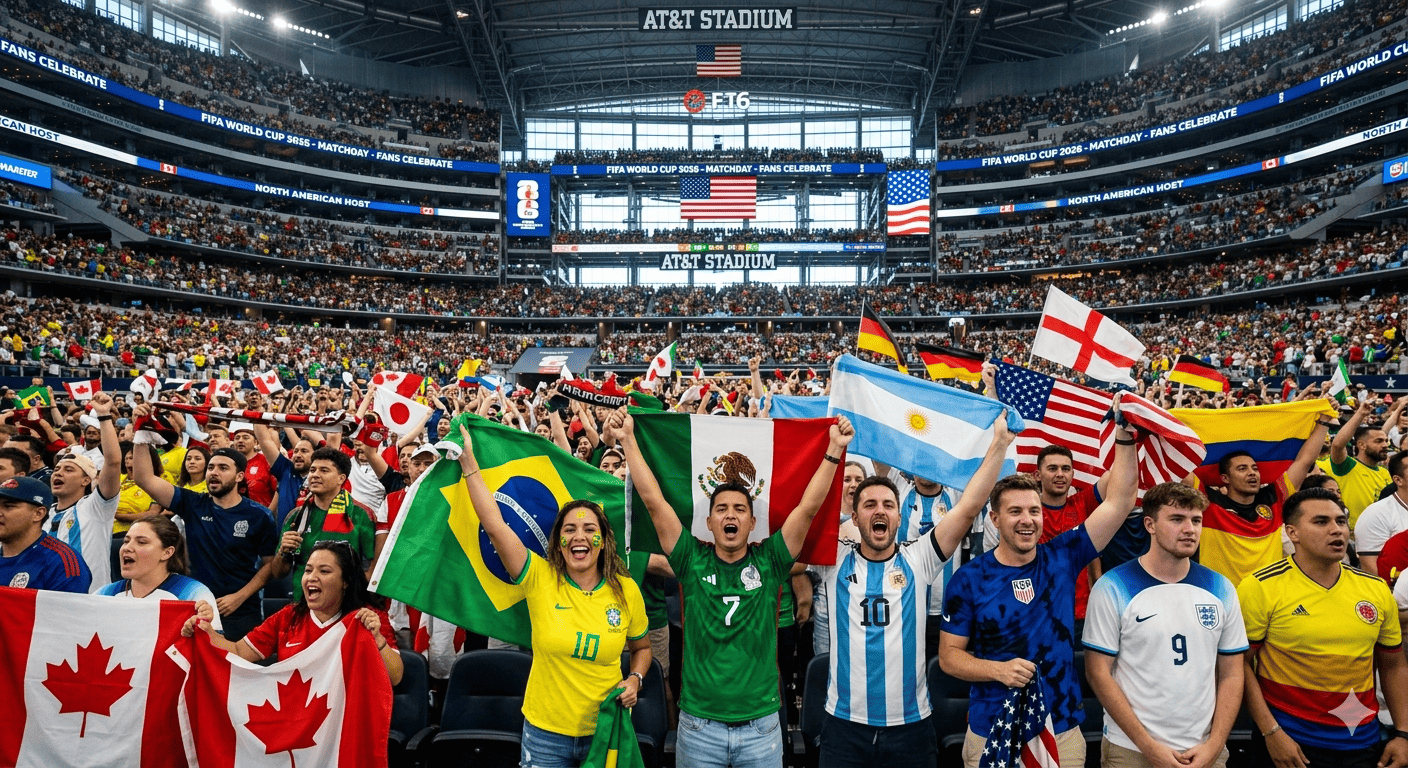
With just days remaining until the biggest sporting event on Earth kicks off, North America is witnessing an unprecedented, historic explosion in travel bookings.
The FIFA World Cup 2026, jointly hosted by the United States, Canada, and Mexico, has triggered a massive influx of international and domestic sports fans. This historic tournament is driving a multi-billion dollar boom for airlines, hotels, and the broader hospitality industry across all 16 host cities.
The World Cup Migration: A Continent on the Move
According to recent travel data analytics, online searches for cheap flights to the US and hotel reservations have reached an all-time high. Some host cities are experiencing a staggering 300% to 500% increase in regional bookings compared to the same period last year.
Because the 2026 tournament features an expanded format—boasting 48 teams playing a total of 104 matches—the geographic footprint of this summer travel season is massive. From Vancouver to Miami, and Mexico City to New York/New Jersey, millions of fans are finalizing their cross-continental travel itineraries.
Industry analysts are calling it the "World Cup Migration Effect." Unlike traditional summer tourism, which usually concentrates heavily on coastal beaches or major theme parks, this current booking rush is laser-focused on the 16 specific metro areas hosting matches.
Airlines and Hotels Scramble to Match Summer Travel Demand
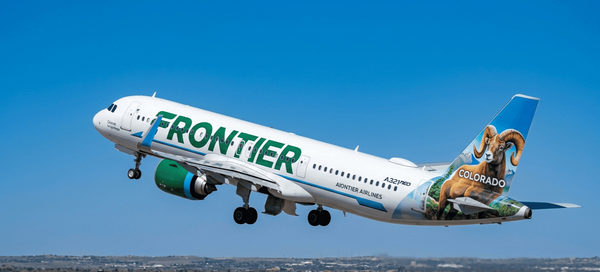
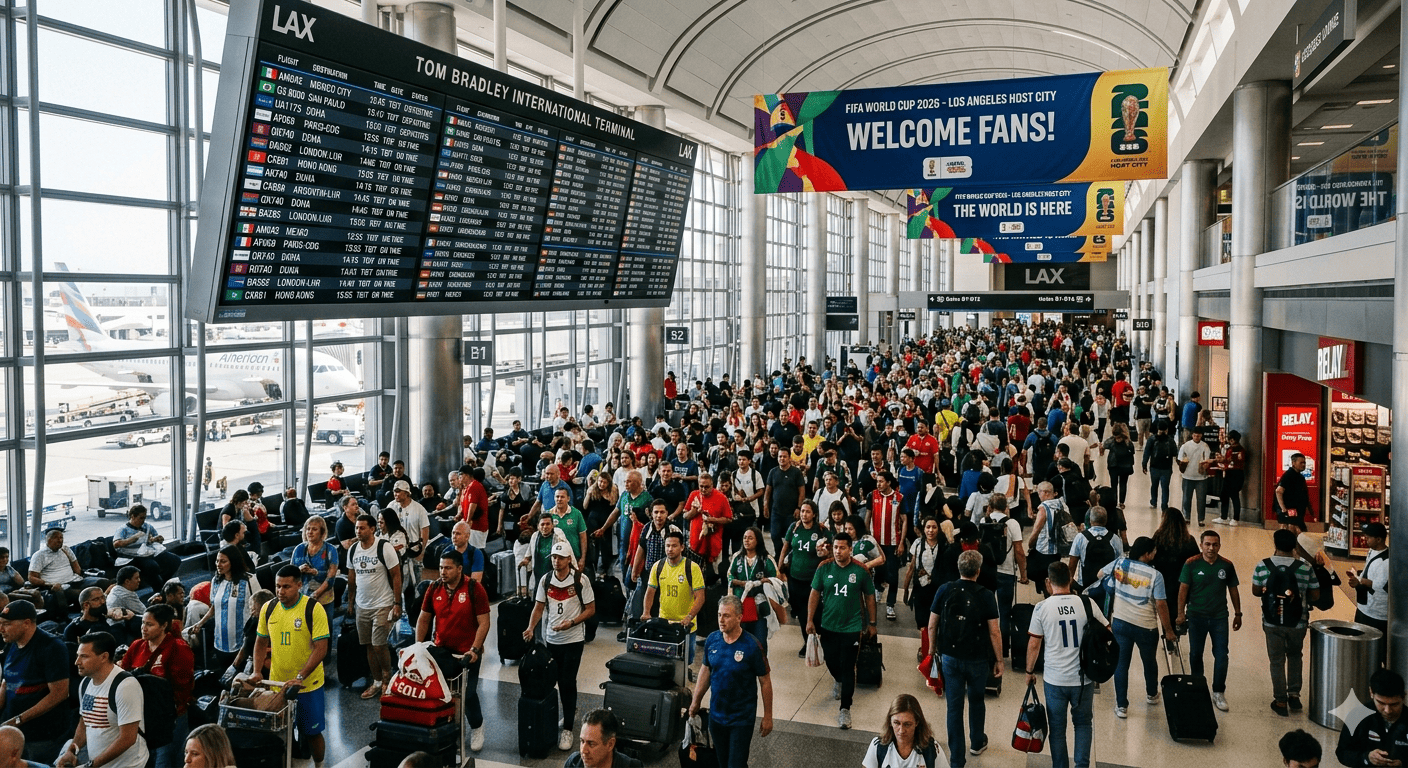
The sheer volume of global travelers has pushed regional transport and infrastructure to its absolute limits. To accommodate the surge, major airlines have spent the last few months adding thousands of extra flights and deploying larger, wide-body aircraft on domestic routes connecting the host cities.
- Skyrocketing Fares: Direct flights between major hub cities during the tournament window have seen prices double, and in some cases triple. Routes connecting South and Central America to Mexico and the US, as well as European routes into major East Coast hubs, are almost entirely sold out.
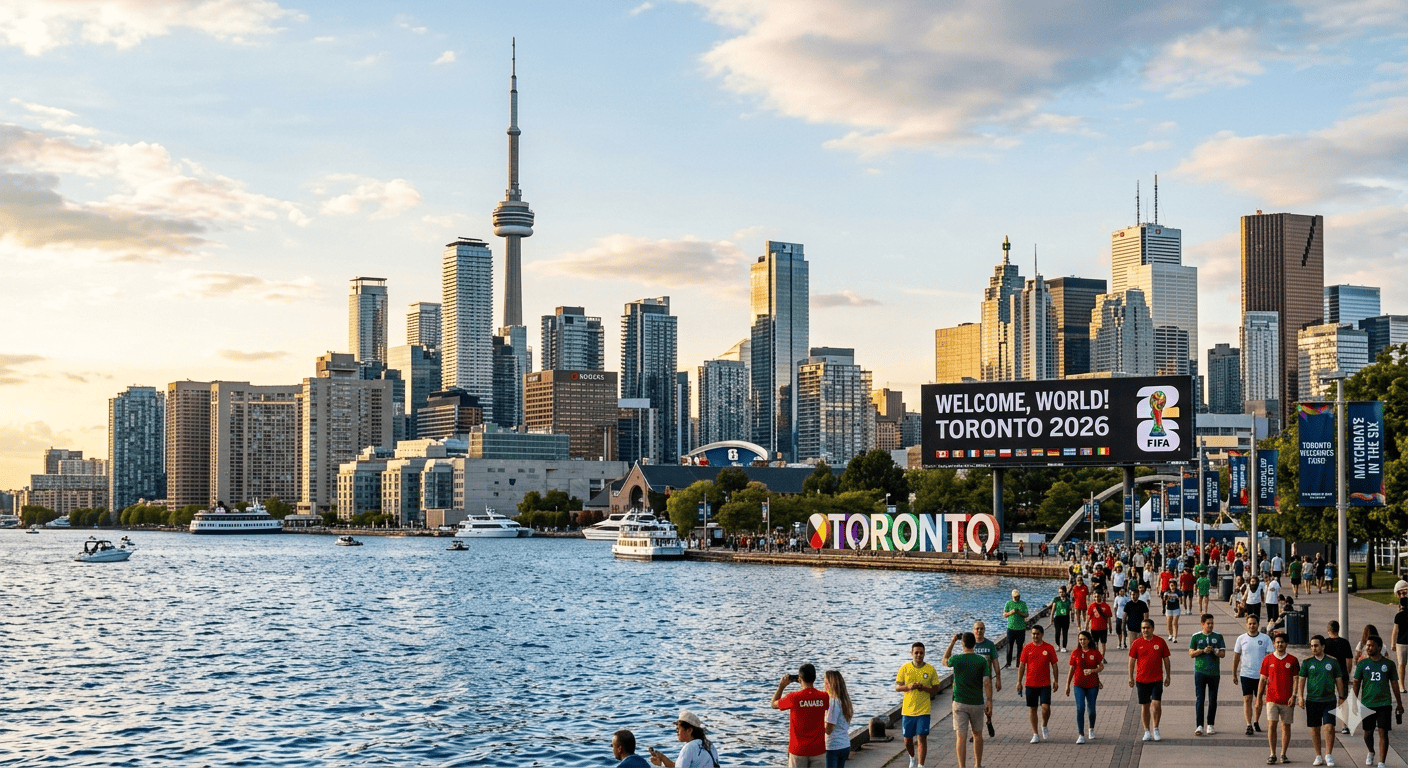
- The Premium Lodging Crunch: Hotel occupancy rates in prime host locations like Los Angeles, Dallas, Atlanta, and Toronto have already crossed the 90% mark for match-week dates.
- Alternative Accommodations Spike: Short-term vacation rentals are seeing equally massive demand, with average daily rates (ADR) reaching record highs as fans look for budget-friendly alternatives.
Local businesses are rapidly scaling up operations, adjusting inventory, and expanding operating hours to accommodate the diverse, multilingual crowds expected to flood official fan zones and stadiums.
Economic Windfall vs. Local Disruption
While economists project that the tournament will inject over $5 billion in short-term economic activity into North America, the booking surge has brought unique logistical challenges.
Local commuters in host cities are being warned to brace for severe traffic congestion and crowded public transit systems. Additionally, regular business travelers and non-football tourists are actively avoiding major host hubs due to hyper-inflated lodging costs, causing a temporary dip in traditional, non-sporting summer travel demand.
Nevertheless, tourism officials remain overwhelmingly optimistic. The global visibility provided by the tournament is expected to cement North America as a premier global travel destination long after the final whistle blows in July.