Extreme Heat Is Reshaping European Travel
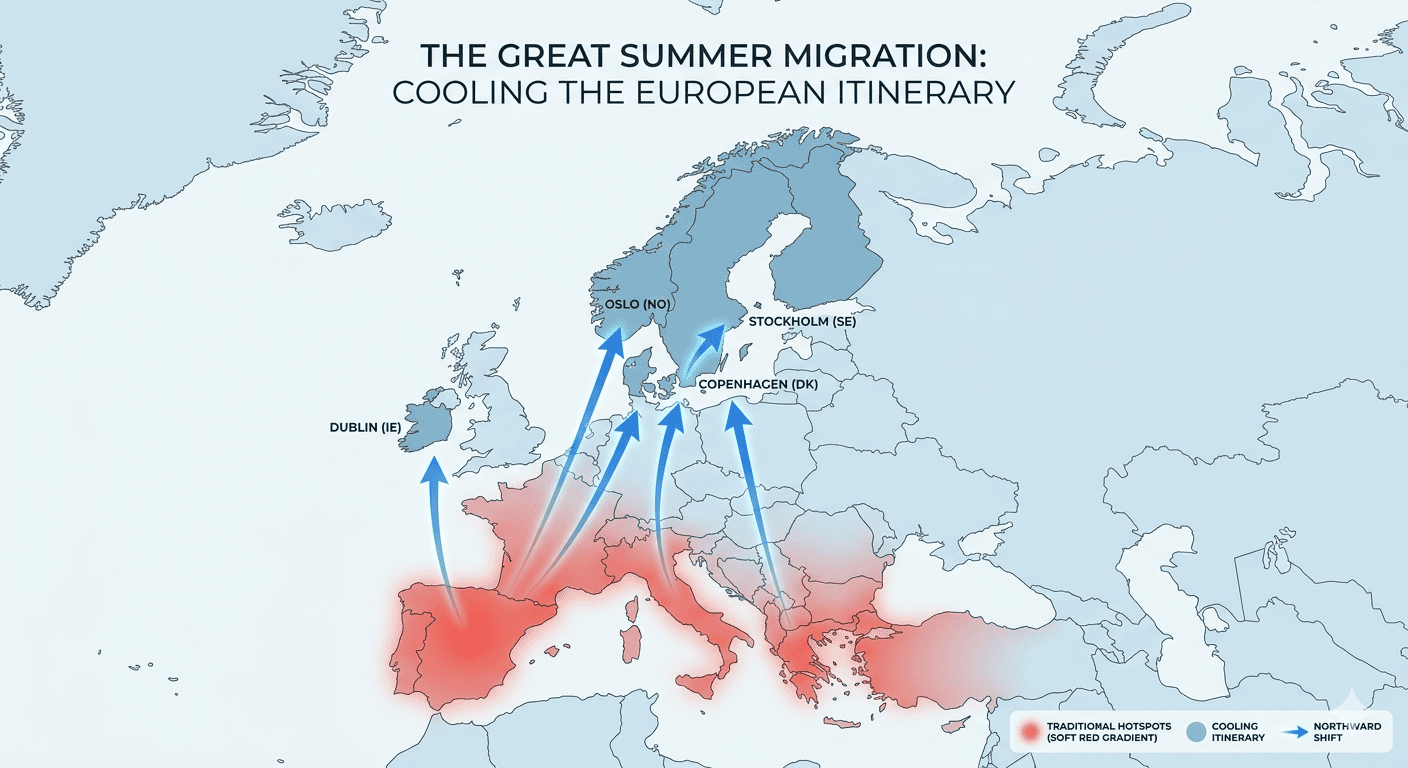
The classic image of the idyllic summer vacation in Southern Europe is undergoing a profound environmental disruption. For decades, July and August signaled a predictable mass migration of global travelers toward the sun-drenched beaches of the Mediterranean. Today, however, as intense, record-shattering heat domes regularly settle over France, Spain, Italy, and Greece, human comfort thresholds are crossing a tipping point.
Climate data compiled by the Copernicus Climate Change Service confirms that Europe is currently the fastest-warming continent on Earth. This rapid warming is no longer just an environmental concern—it is actively redrawing the economic map of global tourism. Faced with daytime temperatures repeatedly breaching$40^\circ\text{C}$ ($104^\circ\text{F}$), international travelers are altering when they visit, how they sightsee, and where they choose to spend their leisure capital.
The Rise of the 'Coolcation'
The most visible structural change in booking data is the rapid emergence of the "Coolcation"—a deliberate travel trend where holidaymakers bypass traditional tropical or Mediterranean resorts in favor of destinations offering milder, sub-alpine, or maritime climates.
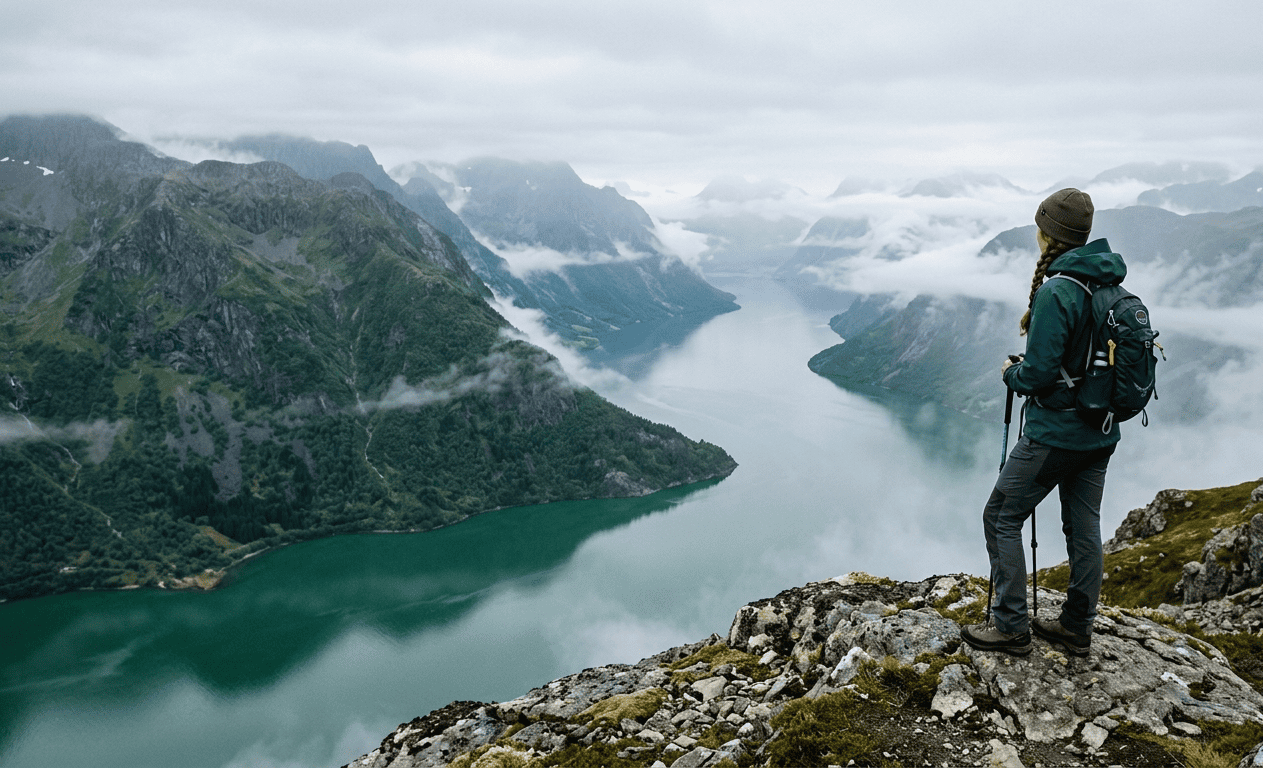
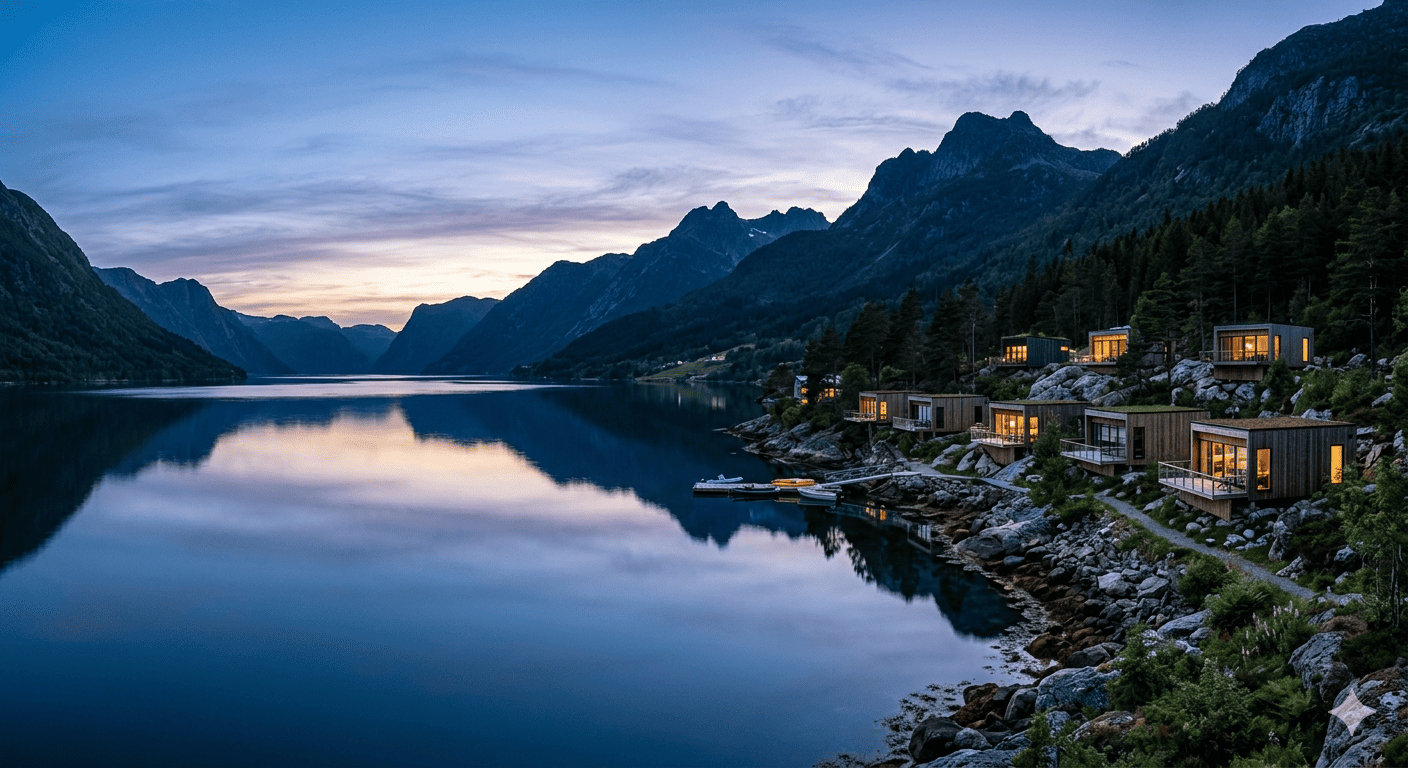
Statistical trackers indicate that approximately 15% of European tourists are now actively selecting destinations based primarily on cooler climate projections. This behavior has sparked a significant real estate and hospitality boom across Northern Europe. Countries like Norway, Finland, and Iceland are recording consecutive seasons of record-breaking summer occupancy. Instead of crowded beaches along the Costa del Sol, premium travelers are opting for hiking trails through the cool mists of the Norwegian fjords, kayaking across pristine Finnish lakes, and exploring the glacier-cooled landscapes of Reykjavik.
Nocturnal Tourism and the "Split-Day" Itinerary
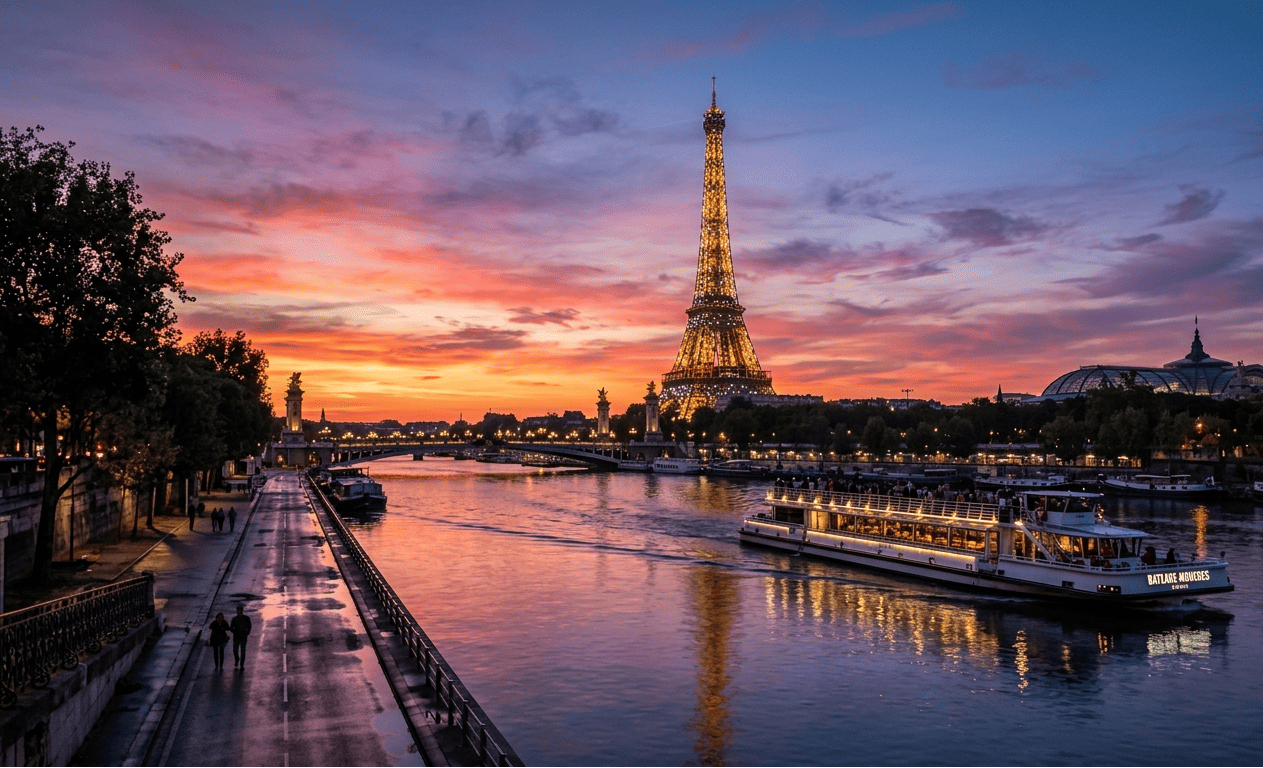
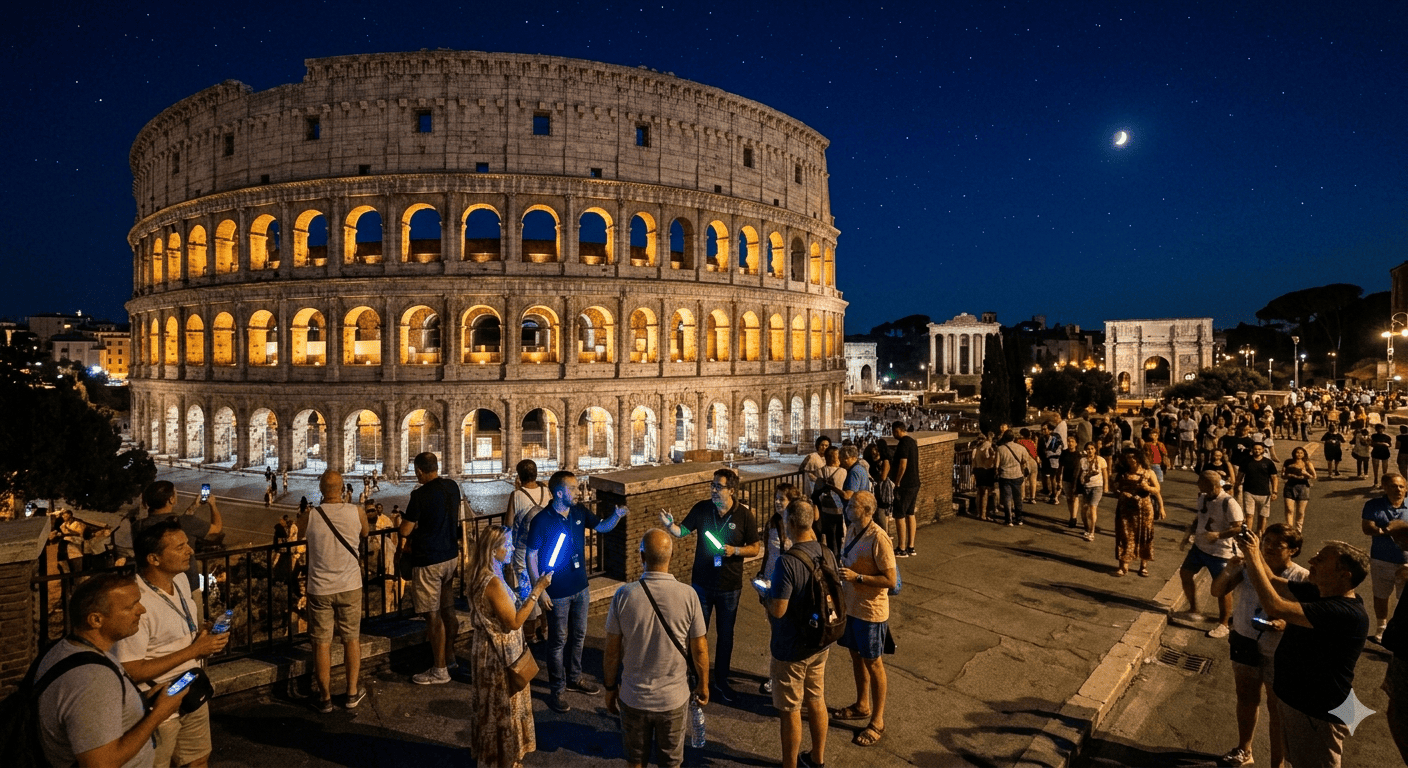
In historical Southern European hubs where consumer demand remains stubbornly anchored due to iconic cultural landmarks, the heat is fundamentally shifting daily traveler behavior. The traditional model of all-day outdoor urban sightseeing is rapidly expanding into nocturnal tourism.
Major municipal centers across Italy and Spain are adapting by extending evening operating hours for museums, archaeological galleries, and open-air heritage monuments. Savvy travelers are increasingly building their days around a distinct "split-day" structure:
- Morning Window (07:00 – 11:00): Early-morning walks and rapid monument visits before the sun reaches its peak.
- Midday Retreat (11:00 – 17:00): Extended indoor dining, museum visits, or returning to heavily air-conditioned accommodations.
- Evening Revival (18:00 – Midnight): Resuming outdoor city exploration, walking tours, and rooftop dining under cooler night skies.
This behavioral shift is forcing hospitality operators to reconsider their core amenities. Travelers are prioritizing confirmed internal air conditioning over traditional views, turning standard climate control into a non-negotiable metric for high-end hospitality reviews.
Re-Anchoring the High Season
Beyond geographical changes, the traditional constraints of the vacation calendar are loosening. July and August—long the absolute peak of continental travel—are seeing incremental cooling in demand as tourists choose the shoulder seasons. Projections by the European Joint Research Centre show a clear long-term shift: while peak summer bookings face a contraction in southern zones, travel volumes during April, May, September, and October are scaling upward at double-digit percentages.
This redistribution of seasonal crowds offers a silver lining for overburdened infrastructure. Over-tourism pressures are spreading more evenly across the calendar year, providing local economies with a more stable, sustainable influx of revenue. As global temperatures continue to fluctuate, the international travel sector is proving that adaptation is the only way forward. The European summer isn't disappearing; it's simply being reinvented.
Further Industry Context
This shift is deeply altering consumer expectations and transport networks, making climate adaptability a defining metric for the future of global leisure platforms.
This analysis highlights how the travel industry is adapting to rising temperatures. To see exactly how travelers are reacting on the ground and exploring these cooler northern destinations firsthand, check out this on-the-scene report detailing the emerging trend ofCoolcations in Northern Europe.