
Digital Shifts and New Mandates: Navigating Vietnam’s Updated Entry Requirements
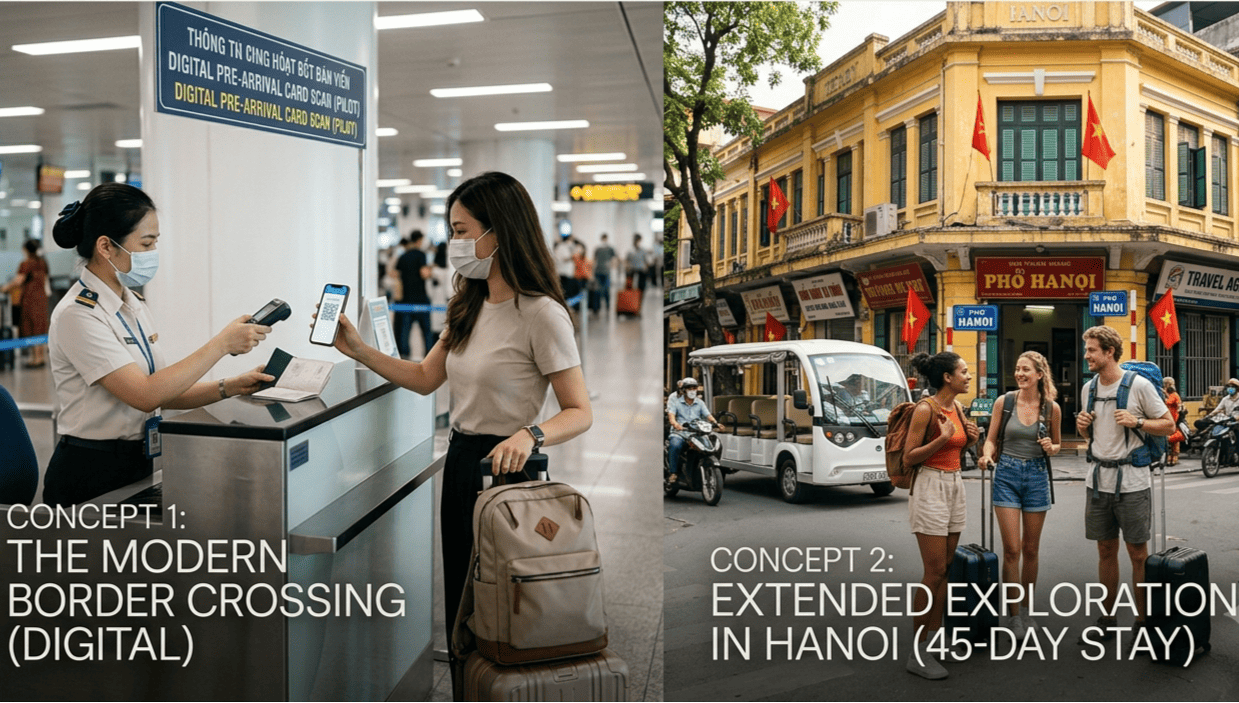
Vietnam's booming tourism sector is undergoing a massive structural modernization. In an effort to streamline border checkpoints, improve security data collection, and bounce back as a top-tier global travel destination, Vietnamese authorities have rolled out a wave of tech-forward adjustments and visa expansions.
For international travelers, expatriates, and holidaymakers preparing to visit Hanoi, Ho Chi Minh City, or the pristine beaches of Da Nang, staying ahead of these regulatory changes is the key to a frictionless arrival. From newly introduced digital cards to health monitoring protocols, here is what you need to know before booking your flight.

1. The Digital Pre-Arrival Card Mandate
In its largest push toward a paperless border system, Vietnam’s Immigration Department has instituted a new Digital Pre-Arrival Card system.
- Where it applies: The pilot program rolled out strictly for all foreign nationals and overseas Vietnamese arriving via Tan Son Nhat International Airport (SGN) in Ho Chi Minh City.
- The Window: Travelers must complete the free form online via the official portal within 3 days (72 hours) prior to their scheduled arrival.
- The Output: Upon successful submission, travelers receive a personal QR code via email, which must be presented alongside a passport at the immigration counter to clear customs.
While the digital arrival card is currently limited to SGN airport, authorities plan to progressively scale this program across other major gateways like Hanoi's Noi Bai (HAN) and Da Nang (DAD).
2. Mandatory Pre-Arrival Health Declarations
In addition to immigration routing data, Vietnam’s Ministry of Health has expanded public health surveillance metrics. All inbound international travelers, departing individuals, and transit passengers are required to file a pre-arrival health declaration.
Designed to track global infectious diseases and minimize the risk of importation, travelers must submit health information within 7 days of their journey. Airport health screening kiosks and integrated online sub-modules check for compliance, and travelers who fail to have their confirmations ready may face check-in delays at their originating airports.
3. Unprecedented Visa Exemptions: 45 Days Free Stay
To offset the slightly stricter pre-travel paperwork requirements, Vietnam has vastly broadened its unilateral visa waivers to encourage longer holiday stays and entice premium travel operators.
The country offers an extended 45-day visa-free stay (up from the historical 15-day policy) for ordinary passport holders from key regional and European markets.
(Note: Exemption frameworks vary based on bilateral terms; travelers can view the updated breakdown on the Vietnam National Authority of Tourism official page to confirm exact duration limits for their respective passport type).
Furthermore, the old restriction requiring a mandatory 30-day gap between two consecutive visa-free entries has been permanently removed. Travelers are permitted to execute "visa runs" to neighboring countries like Thailand, Laos, or Cambodia and re-enter Vietnam immediately to reset their 45-day exemption.
4. Upgraded 90-Day Electronic Visas (e-Visas)
For nationalities not covered under the unilateral waiver agreements—or for travelers looking to explore the length of the country over an extended itinerary—the digital e-Visa platform remains highly efficient.
Vietnam allows all countries and territories worldwide to apply for electronic visas via the official Vietnam Immigration Department E-Visa Portal. The e-Visas grant up to 90 days of stay and support multiple entries. This means a traveler can base themselves out of Ho Chi Minh City or Hanoi and freely take side trips throughout Southeast Asia without paying for a brand-new visa application each time.
Additionally, the government has authorized e-visa acceptance at 83 total border gates—including dozens of remote land crossings and deep-sea ports—making overland backpacking routes significantly more accessible.
Master Checklist for Seamless Entry
To avoid immigration queues or unexpected boarding denials, ensure your pre-flight folder includes:
- A physical passport with at least 6 months of remaining validity and two blank pages.
- A printout or digital copy of your approved 90-day e-Visa (if not utilizing a visa waiver).
- The completed Digital Pre-Arrival Card QR Code (if landing at Tan Son Nhat Airport).
- Your submitted Health Declaration confirmation.
- Proof of onward travel, as individual airlines frequently require a confirmed outbound ticket before letting passengers board.