
Defying the Odds: Global Tourism Remains Resilient Despite Geopolitical Uncertainty
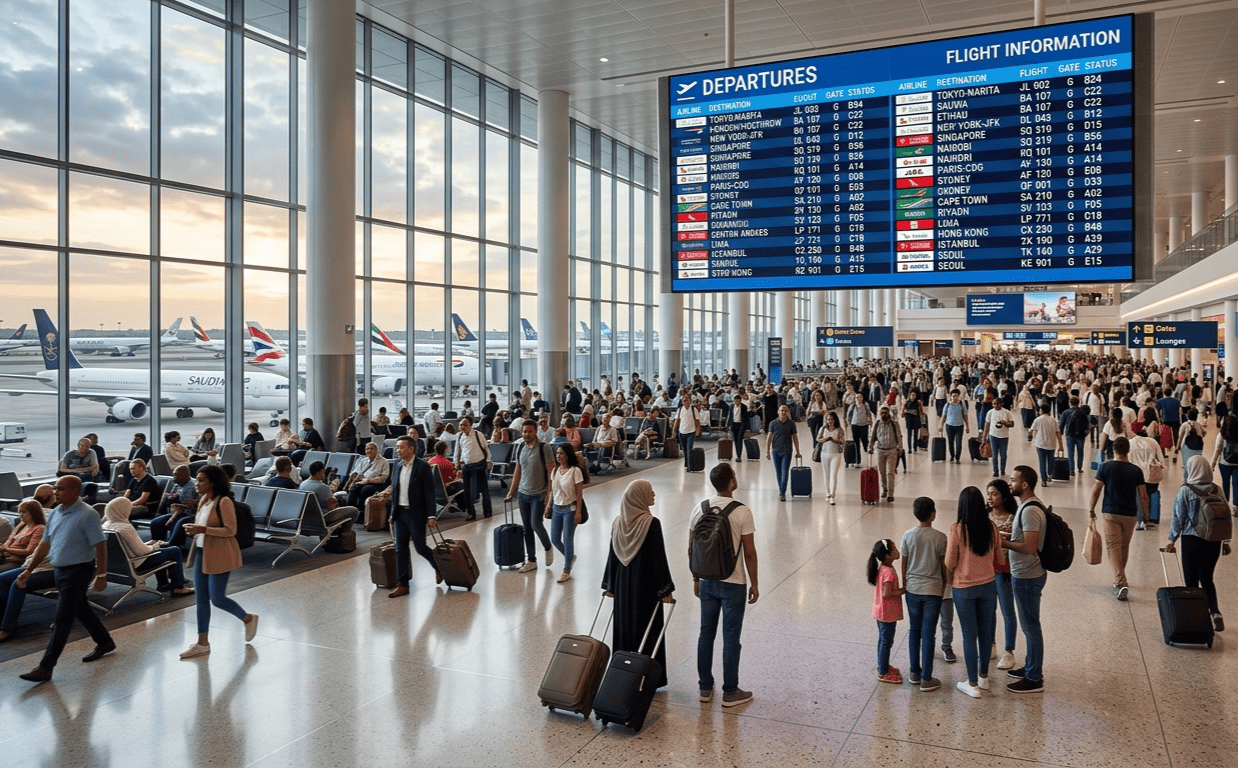
The global desire to travel has proven to be an unstoppable economic force. Despite a highly volatile landscape marked by shifting macroeconomic pressures, rising operational costs, and localized geopolitical friction, international travel has maintained a steady upward trajectory.
According to the latest data from UN Tourism, an estimated 307 million tourists traveled internationally during the opening quarter of the year alone, marking a 2% increase compared to the same period last year. While localized conflicts have forced airlines and hospitality brands to quickly pivot, the broader global numbers reinforce a powerful truth: travel is no longer viewed as a luxury, but as an essential priority for global consumers.
Shifting Maps: How Geopolitical Tensions Are Reshaping Travel Patterns
While global volumes remain remarkably healthy, regional performance varies significantly as travelers dynamically adjust their itineraries based on safety, connectivity, and convenience.
1. Europe and Africa Lead the Charge
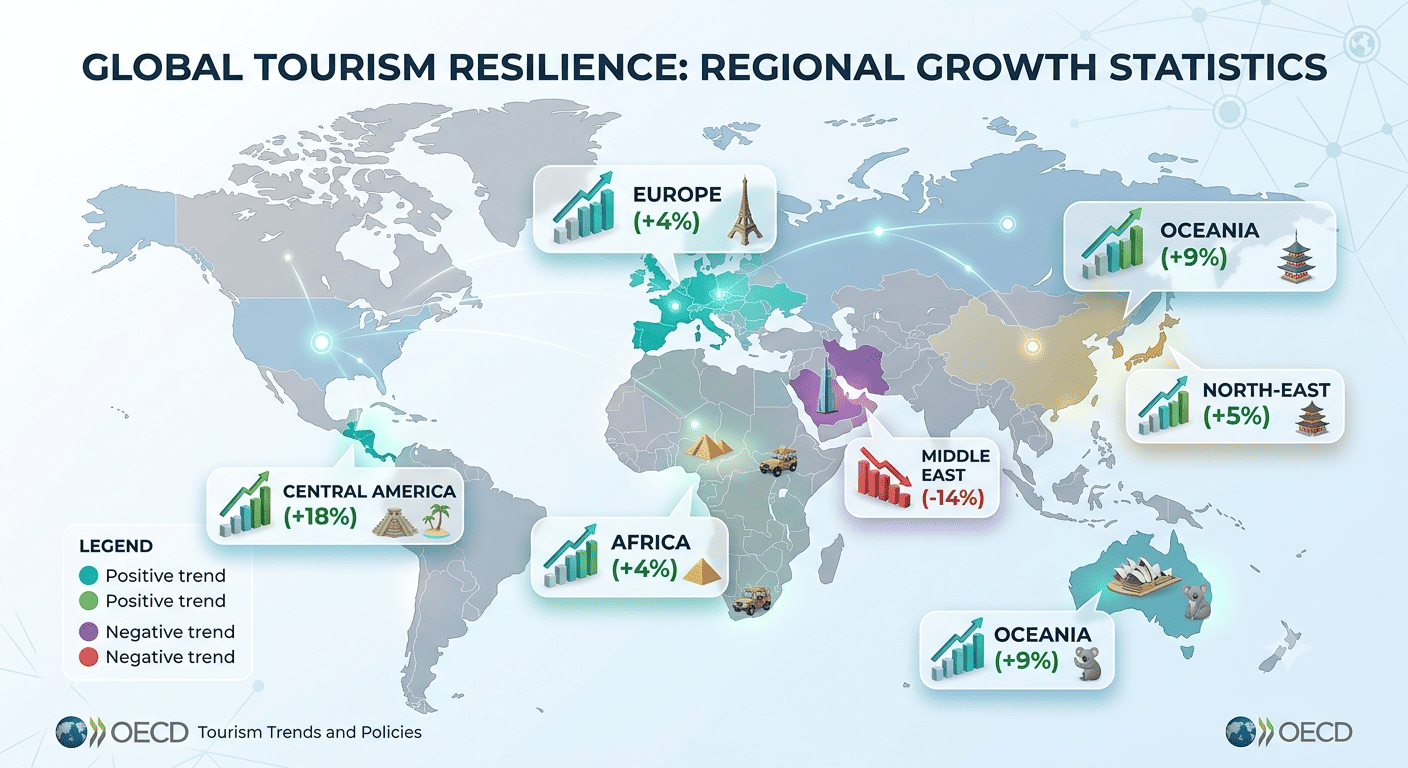
Europe, maintaining its title as the world's most visited destination region, saw a 4% increase in international arrivals in the early months of the year. Travelers have increasingly redirected their flows toward Southern Mediterranean Europe and Northern Europe. Concurrently, Africa matched this momentum with a 4% growth rate, powered by strong turnouts in North Africa.
2. Mixed Rebounds in Asia-Pacific
Asia and the Pacific recorded a more conservative 3% growth. While subregions like Oceania (+9%) and North-East Asia (+5%) experienced booming numbers, overall travel to South Asia was heavily impacted by disruptions affecting major Middle Eastern aviation transit hubs.
3. The Middle East Deficit
Unsurprisingly, the ongoing conflict in the Middle East resulted in a 14% drop in international arrivals within the region during the first quarter. However, rather than canceling vacations altogether, global consumers have largely shifted their attention to emerging markets in Central America (+18%) and parts of Eastern Europe.
The Economic Reality: Rising Costs vs. The Revenge Travel Mindset
Beyond security concerns, travelers are navigating significant economic headwinds. A global surge in oil prices and localized jet fuel shortages have driven up airfares, while hospitality inflation continues to hit accommodation rates.
This financial strain is balanced by extraordinary visitor spending. Many destinations are reporting that overall tourism revenue is actually outpacing arrival volumes, proving that when people do travel, they are willing to spend more on premium, experiential packages.

Key Drivers Sustaining the Global Travel Boom
Several underlying structural factors are keeping global tourism highly resilient:
- Enhanced Visa Facilitation: Massive bilateral visa waivers—particularly across parts of Asia, the Middle East, and southeastern Europe—have drastically reduced the administrative friction of planning a trip.
- The Rise of Secondary Destinations: Countries like Paraguay (+46%), El Salvador (+43%), and Mongolia (+39%) have reported massive triple-digit surges in interest, as travelers actively seek less crowded, lower-cost alternatives to classic European capitals.
- Irreplaceable Connected Infrastructure: Despite airspace restrictions, airlines have quickly re-optimized flight corridors to keep long-haul transit viable.
Cautious Optimism for the Peak Season Ahead
Looking forward, the UN Tourism Confidence Index reflects a cautiously positive outlook for the peak northern hemisphere summer season. While governments and hospitality stakeholders must pivot from aggressively chasing tourist volume to focusing heavily on crisis preparedness and sustainable management, the underlying demand for global exploration remains completely unbroken.