
Dark Tourism: Exploring Places Shaped by Tragedy and History

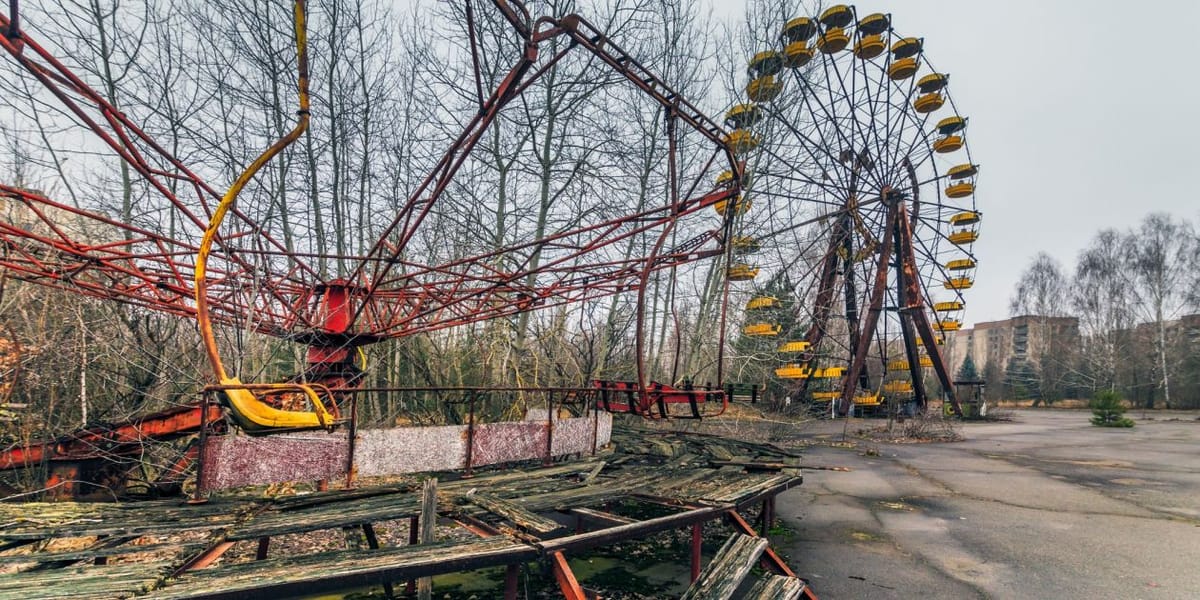
Tourism is often associated with relaxation, adventure, and the exploration of beautiful destinations. However, a growing segment of travelers is drawn to places connected with tragedy, conflict, disasters, and human suffering. This phenomenon, known as dark tourism, involves visiting sites where significant historical events, often involving loss of life or hardship, took place. While the concept may seem unusual at first, dark tourism has become an important part of cultural and historical travel, attracting millions of visitors every year.
Dark tourism offers more than simple sightseeing. It provides opportunities for education, reflection, remembrance, and a deeper understanding of historical events that have shaped societies and nations. By visiting these locations, travelers gain firsthand insight into the consequences of war, political oppression, natural disasters, and other significant events in human history.
What Is Dark Tourism?
Dark tourism refers to travel to locations associated with death, tragedy, suffering, or historical catastrophe. The term gained prominence in academic research during the 1990s when scholars began examining why people were increasingly interested in visiting such places.
Unlike traditional tourism, which often focuses on entertainment and recreation, dark tourism encourages visitors to engage with difficult aspects of history. These sites serve as reminders of past events and provide valuable educational experiences. Visitors may learn about historical conflicts, social injustices, disasters, and the resilience of communities affected by them.
Dark tourism destinations vary widely, ranging from former battlefields and concentration camps to disaster zones, memorials, prisons, and museums dedicated to tragic events.
The Origins of Dark Tourism
Although the term "dark tourism" is relatively modern, the practice itself is not new. Throughout history, people have been drawn to sites associated with death and tragedy. In ancient Rome, large crowds attended gladiator contests and public executions. During the eighteenth and nineteenth centuries, people traveled to witness public hangings and visit famous battlefields.
Over time, tourism evolved, and many historically significant sites became protected as educational and memorial destinations. Today, advances in transportation and communication have made these locations more accessible than ever, allowing visitors from around the world to learn about important historical events firsthand.
Why Do People Visit Dark Tourism Sites?
One of the primary motivations behind dark tourism is education. Many travelers seek to understand historical events beyond what they have learned through books, documentaries, or classroom lessons. Standing in the actual location where history unfolded can create a powerful emotional connection and deepen understanding.
Another reason is remembrance. Many sites serve as memorials to victims of wars, genocides, terrorist attacks, and disasters. Visitors often come to pay their respects and honor those who suffered or lost their lives.
Curiosity also plays a role. Human beings naturally seek to understand extraordinary events, particularly those that have had significant social, political, or cultural impacts. Visiting these places allows travelers to explore complex historical narratives and gain perspectives that may challenge their assumptions.
Additionally, dark tourism can inspire reflection. Many visitors report that these experiences encourage them to think about human rights, ethics, conflict, and the consequences of political decisions. Such reflection can contribute to greater awareness and empathy.
Types of Dark Tourism Destinations
Dark tourism encompasses a wide range of locations, each offering unique insights into history and human experience.
War and Battlefield Sites
Battlefields are among the most visited dark tourism destinations. These locations preserve the memory of major military conflicts and help visitors understand the realities of war. Museums, memorials, and guided tours often provide historical context, allowing visitors to learn about the causes, events, and consequences of battles that changed the course of history.
Genocide and Holocaust Memorials
Sites associated with genocide and mass atrocities serve as powerful reminders of the dangers of hatred, discrimination, and authoritarianism. These locations often include museums, preserved buildings, and educational programs designed to ensure that future generations understand the importance of tolerance and human rights.
Disaster Sites
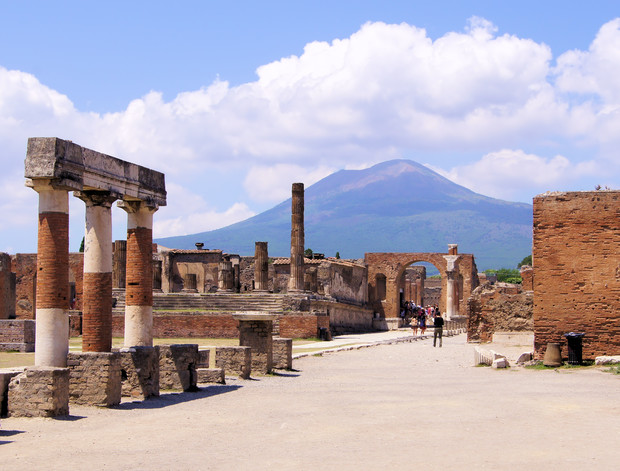
Natural and technological disasters have also become important dark tourism destinations. Visitors may travel to locations affected by earthquakes, nuclear accidents, volcanic eruptions, or other catastrophic events. These sites provide opportunities to learn about disaster management, environmental consequences, and community recovery efforts.
Former Prisons and Places of Confinement
Historic prisons and detention centers attract visitors interested in criminal justice, political history, and social change. These sites often tell stories of prisoners, political dissidents, and historical figures who experienced confinement under challenging circumstances.
Memorials and Museums
Many dark tourism destinations take the form of memorials dedicated to victims of tragic events. Museums complement these memorials by providing detailed historical information, personal stories, photographs, and artifacts that help visitors understand the human impact of historical events.
Educational Value of Dark Tourism
One of the most significant benefits of dark tourism is its educational potential. Visiting historical sites can transform abstract facts into tangible experiences. Reading about a war or disaster may provide information, but physically standing where events occurred often creates a deeper emotional and intellectual understanding.
Educational programs at dark tourism sites frequently include guided tours, exhibitions, survivor testimonies, archival materials, and interactive displays. These resources help visitors engage with history in meaningful ways and encourage critical thinking about past events.
For students, researchers, and history enthusiasts, dark tourism can provide valuable opportunities to explore primary historical locations and gain insights that are difficult to obtain through traditional learning methods alone.
Ethical Considerations and Controversies
Despite its educational value, dark tourism remains a subject of ethical debate. Critics argue that some visitors may approach tragic sites with inappropriate curiosity or treat them as entertainment rather than places of remembrance. In certain cases, excessive commercialization can undermine the dignity and significance of these locations.
Responsible management is therefore essential. Site operators must balance visitor access with respect for victims and survivors. Educational interpretation, preservation efforts, and clear visitor guidelines can help ensure that these locations remain respectful and meaningful.
Visitors also bear responsibility for their behavior. Respectful conduct, appropriate photography practices, and an understanding of the site's historical significance contribute to preserving the integrity of these destinations.
The Psychological Impact on Visitors
Dark tourism experiences often evoke strong emotional responses. Visitors may feel sadness, empathy, shock, or contemplation as they learn about tragic events and their human consequences. These emotional reactions are a natural part of engaging with difficult history.
For many travelers, such experiences foster a deeper appreciation for peace, human rights, and social responsibility. By confronting uncomfortable aspects of history, visitors may develop greater awareness of contemporary challenges and the importance of preventing similar tragedies in the future.
Researchers have found that dark tourism can encourage personal reflection and promote meaningful discussions about ethics, memory, justice, and collective responsibility.
The Role of Dark Tourism in Historical Preservation
Dark tourism plays an important role in preserving historical sites and collective memory. Revenue generated by tourism often supports conservation efforts, museum operations, educational programs, and research initiatives.
Without public interest and financial support, many historically significant locations could deteriorate or disappear over time. By attracting visitors, dark tourism helps ensure that future generations can continue learning from these important places.
Preservation efforts also contribute to broader historical understanding by safeguarding documents, artifacts, structures, and personal testimonies connected to significant events.
The Future of Dark Tourism
As global interest in history and cultural heritage continues to grow, dark tourism is expected to remain an important segment of the travel industry. Advances in technology, including virtual reality, digital archives, and interactive exhibits, are creating new ways for visitors to engage with historical events.
At the same time, increasing emphasis on ethical tourism and historical accuracy is shaping how dark tourism destinations are managed and interpreted. Many organizations are working to ensure that these sites prioritize education, remembrance, and respect rather than sensationalism.
The future of dark tourism will likely involve a greater focus on storytelling, preservation, and community engagement, helping visitors connect with history in meaningful and responsible ways.
Conclusion
Dark tourism represents a unique intersection of travel, history, education, and remembrance. By visiting places associated with tragedy and significant historical events, travelers gain opportunities to learn about the past, honor victims, and reflect on the lessons history can teach. While the subject matter can be challenging, these experiences often foster deeper understanding, empathy, and awareness of humanity's triumphs and failures.
When approached respectfully, dark tourism serves as a powerful tool for preserving collective memory and ensuring that important historical events are not forgotten. Rather than celebrating tragedy, it encourages reflection on the human experience and reminds us of the importance of learning from the past to build a more informed and compassionate future.