Boeing 777X Delay Creates Challenges for Global Airlines
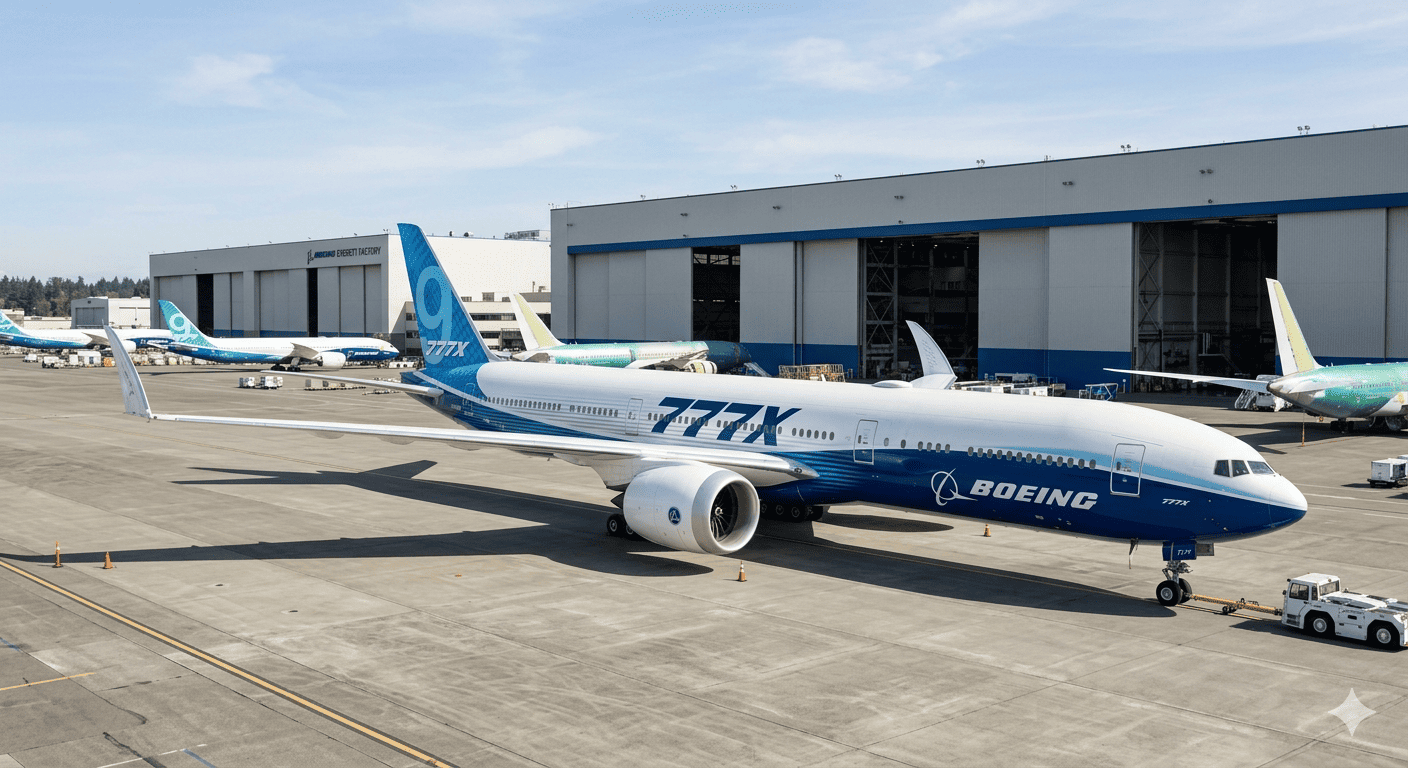
The long-haul aviation market is facing a critical capacity squeeze. As global demand for premium, long-distance international travel reaches historic highs, the world's leading flagship carriers are hitting a structural wall. The culprit isn't a lack of passengers or high fuel prices; it is a severe, compounding shortage of widebody aircraft—anchored primarily by the ongoing certification and production delays of the Boeing 777X program.
Originally envisioned as the ultimate, fuel-efficient successor to aging quad-engine jets like the Boeing 747 and Airbus A380, the 777X twin-engine giant was supposed to be the backbone of international aviation by the middle of this decade. Instead, a series of regulatory hurdles, supply chain disruptions, and flight-test pauses have pushed delivery timelines back significantly. For international network planners, the prolonged delay has triggered an expensive, logistical domino effect that threatens route expansions, increases carbon footprints, and forces multi-billion-dollar emergency fleet overhauls.
The Billion-Dollar Retrofit Pivot
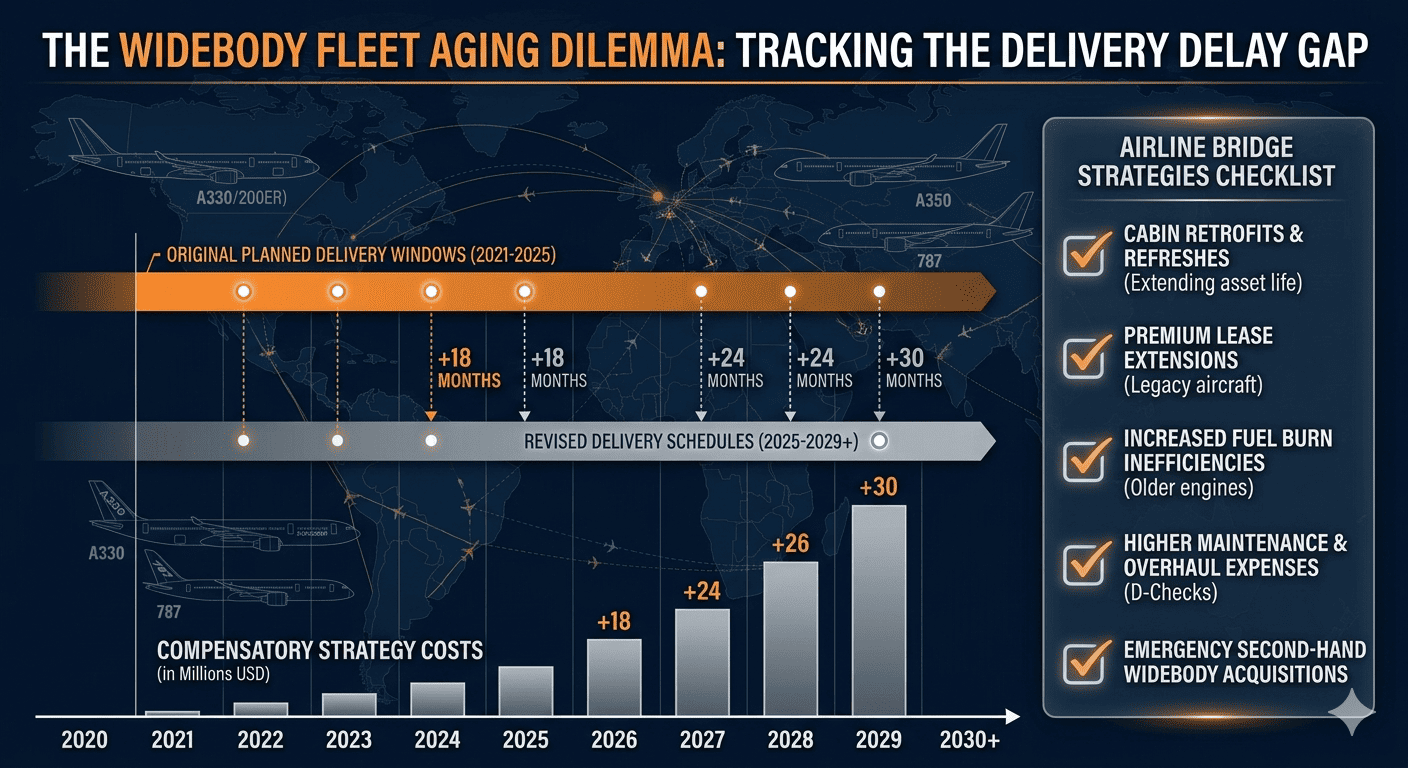
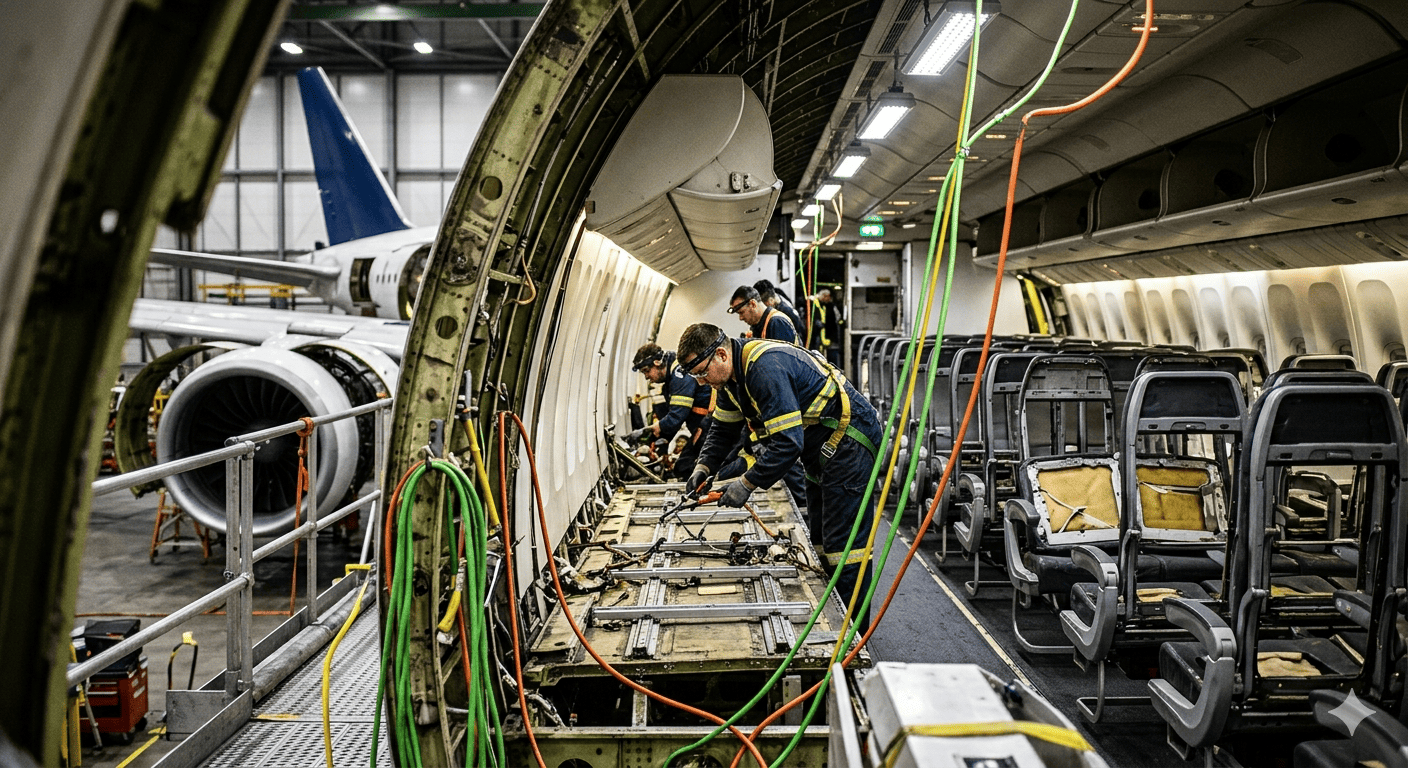
With new aircraft deliveries stalled, airlines have been forced into a costly compromise: keeping older passenger jets flying long past their planned retirement dates. This strategy requires heavy maintenance overhauls and complete cabin interior retrofits to prevent the passenger experience from feeling dated.
No airline embodies this challenge more than Dubai-based mega-carrier Emirates. As the largest customer for the 777X, the airline has had to aggressively adapt its fleet architecture. To maintain its global capacity commitments, Emirates has launched the largest retrofit program in modern aviation history—a multi-billion-dollar initiative to entirely rebuild the interiors of dozens of its existing Airbus A380s and Boeing 777-300ERs.
The Fleet Extension Cost: Keeping an older widebody jet operational isn't just about fresh leather and new inflight entertainment screens. Heavy structural checks (D-Checks), engine overhauls, and the compounding fuel-burn penalties of older airframes cost carriers tens of millions of dollars per hull—expenses that were never factored into long-term capital allocation plans.
Similarly, European heavyweight Lufthansa has faced severe bottlenecks. The German flag carrier has had to bring its retired, fuel-thirsty Airbus A340-600 and A380 fleets back into active service to plug capacity gaps on high-density transatlantic and Asian routes. The delay has also disrupted the airline's highly anticipated rollout of its new "Allegris" premium cabin configuration, which was originally optimized to debut on the 777X hull.
The Carbon and Financial Multiplier Effect
The consequences of the 777X delay ripple straight down to an airline's bottom line and environmental compliance metrics. The 777X features advanced composite wings and next-generation General Electric GE9X engines, designed to reduce fuel consumption and carbon emissions by up to 10% to 15% compared to the aircraft it replaces.
By keeping previous-generation aircraft in the sky, airlines are consuming millions of extra gallons of aviation fuel annually. This operational inefficiency creates a dual crisis:
- Surging Operating Costs: Airlines are highly vulnerable to volatile jet fuel markets when flying less efficient airframes.
- Stalled Sustainability Goals: Carriers attempting to hit strict carbon-reduction milestones find their progress blunted by the lack of next-generation hardware.
Network Freezes and Premium Fare Surges
For the traveling public, the widebody capacity crisis manifests as fewer flight options and stubbornly high international ticket prices. Network planners cannot open new long-haul routes because they simply do not have the spare airframes to service them.
Instead of expanding into emerging markets, airlines are forced to consolidate their remaining widebody aircraft onto their most profitable trunk routes, such as London-New York or Dubai-Singapore. With seat capacity artificially capped and premium travel demand remaining highly resilient, the basic laws of supply and demand dictate the outcome: international business and first-class fares remain elevated, with little relief in sight for corporate travel budgets.
As airlines navigate the structural constraints of the late-2020s, the Boeing 777X delay has proven that modern commercial aviation is an incredibly fragile ecosystem. Until these ultra-efficient mega-jets can reliably clear regulatory hurdles and rolling production lines begin delivering hulls to international hubs, global airlines will continue to operate in an expensive, high-stakes holding pattern.