
Blooming Tourism: Vietnam Launches Ha Noi Lotus Festival 2026 to Boost Cultural Tourism
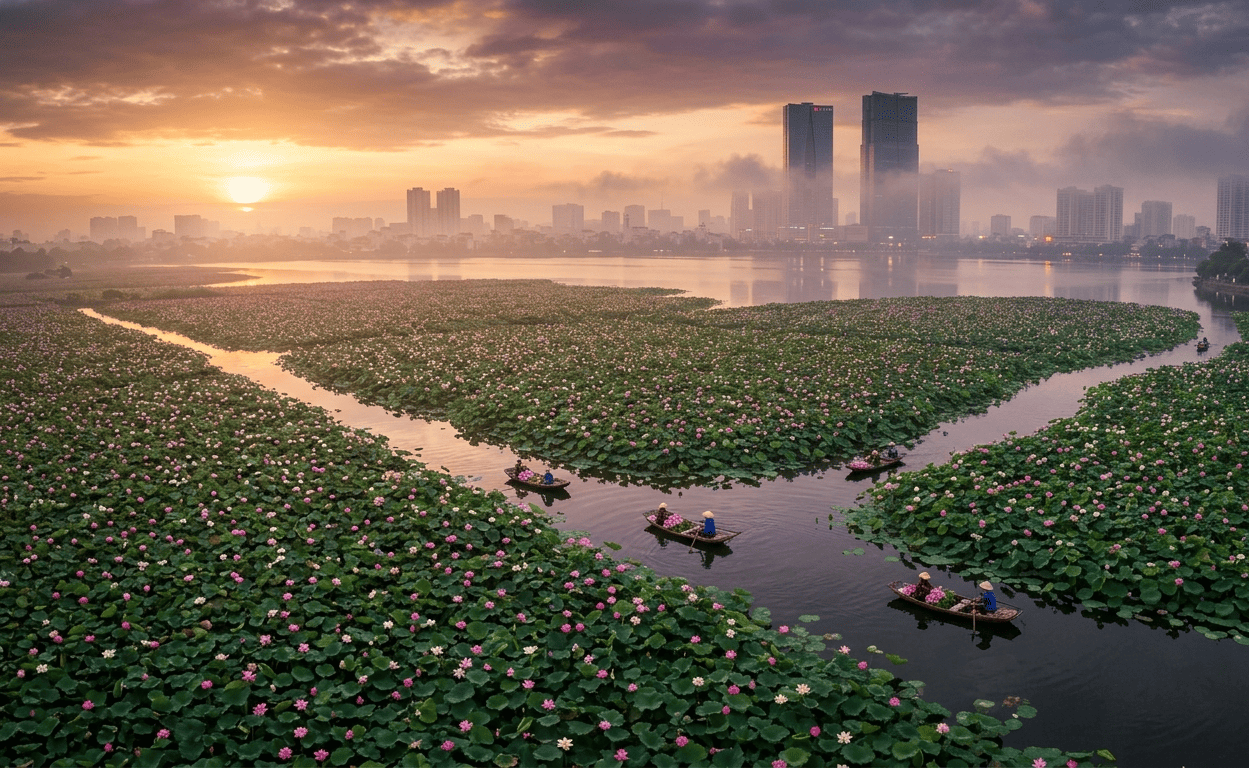
Vietnam is unlocking the immense economic power of its rich heritage. In a brilliant fusion of traditional identity and modern hospitality, the capital city has officially launched the Hanoi Lotus Festival 2026. Designed to preserve national heritage while positioning the city as a professional global travel hub, this landmark three-day event is paving a new path for cultural tourism in Vietnam.
Running from June 26 to 28, 2026, the festival transforms the iconic West Lake (Ho Tay) district into a sensory sea of pink and white blossoms. Co-organized by the Hanoi Department of Tourism and the Tay Ho Ward People’s Committee, the initiative seeks to drive sustainable socio-economic development by transforming intangible heritage into practical tourism assets.
A National Icon Takes Center Stage
The lotus flower holds a sacred position in the hearts of the Vietnamese people, symbolizing purity, resilience, and the elegant spirit of the nation. For Hanoi, it is more than a gift of nature; it is a cultural anchor deeply woven into a thousand years of civilization.
The opening ceremony at Ly Tu Trong Flower Garden marked a massive milestone for the city's green tourism goals, celebrating two major cultural achievements:
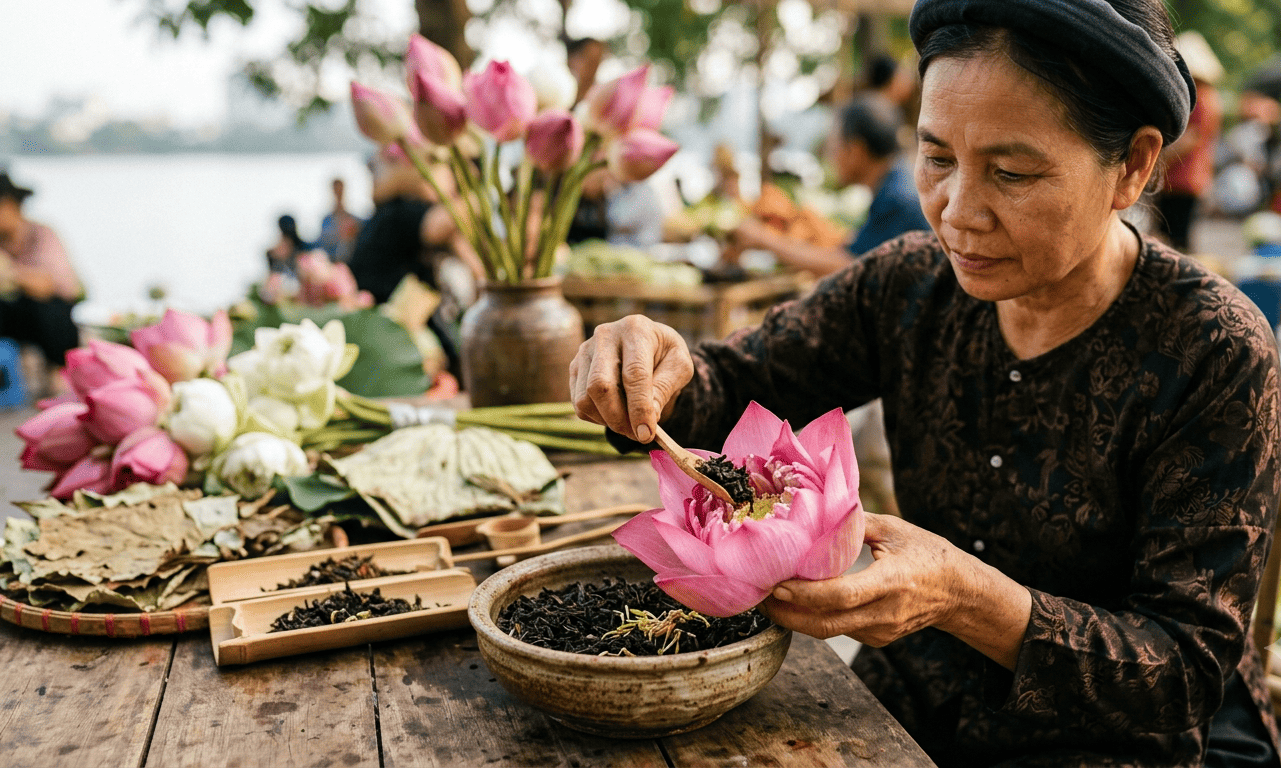
- National Intangible Cultural Heritage Status: The meticulous art of Quang An lotus tea scenting was officially added to the national registry.
- Official West Lake Tourist Area Recognition: The scenic lake area was formally designated a specialized tourist zone, opening doors for upgraded eco-friendly infrastructure.
The Three Themed Pillars of the Festival
To cater to the modern, experiential traveler, the 2026 festival organizers strategically segmented the event into three main exhibition ecosystems spread across Tay Ho Ward:
1. Lotus – Essence and Everyday Life
Hosted at Ly Tu Trong Flower Garden, this space showcases over 30 unique, aromatic lotus varieties gathered from across the country—including Hanoi's native Bach Diep, the Hue Royal Lotus, and varieties from Nghe An and Dong Thap provinces. Visitors can walk along custom-engineered bamboo bridges over water miniatures to witness live demonstrations of premium lotus silk weaving, traditional calligraphy, and local culinary masterpieces infused with the flower.
2. Lotus – Art and Creativity
Bridging generations, this artistic sector highlights lotus-themed fine art and photography exchanges. A major highlight included the "Moments of the West Lake Lotus" live painting initiative, which gathered 500 children—including nearly 100 international youth participants—to foster global appreciation for Vietnamese arts.
3. Lotus – Performance and Community
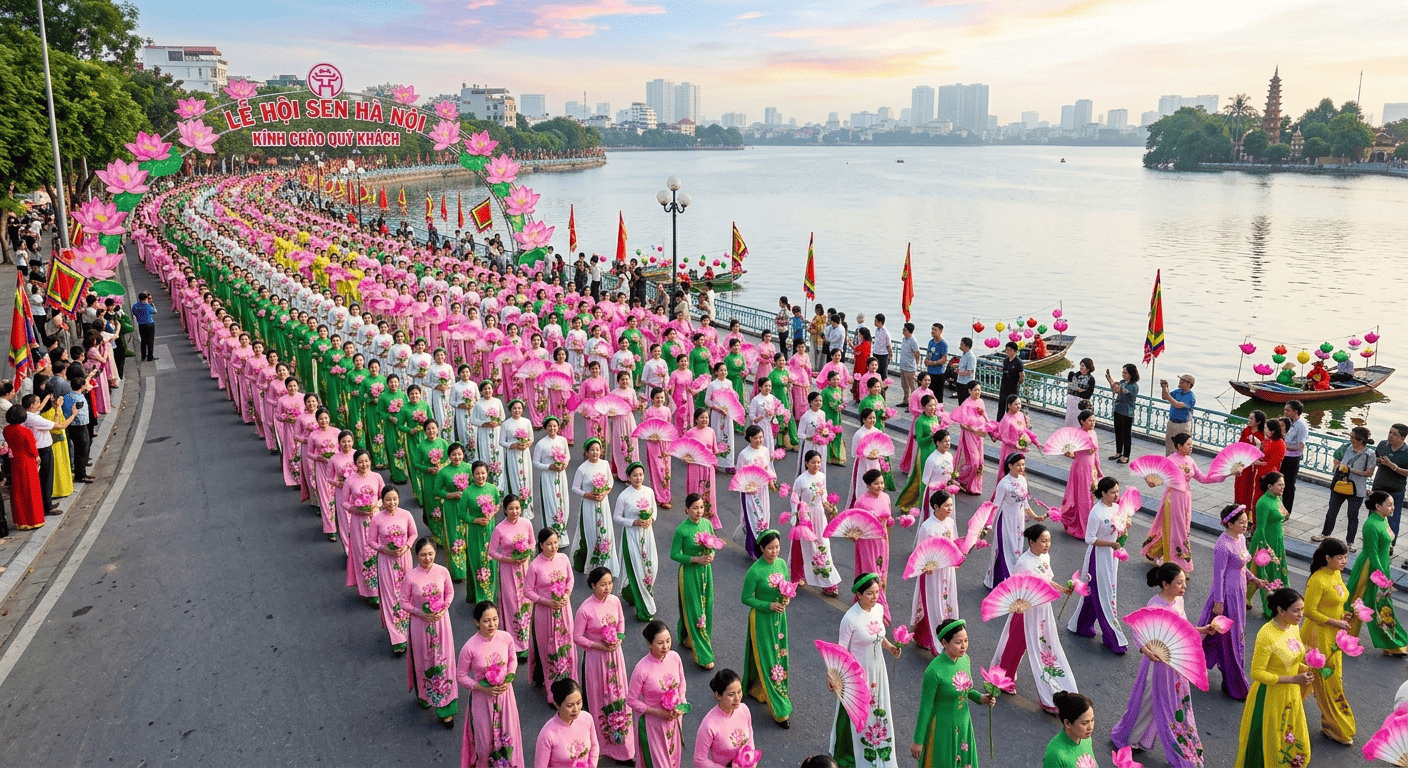
The energy of the capital truly came alive along the shoreline paths of West Lake. The absolute showstopper of the festival was the "Lotus Takes to the Streets" grand artistic parade. An estimated 2,000 participants gracefully marched along the water while wearing traditional Vietnamese Ao dai embroidered with custom lotus motifs. The synchronized procession formed the shape of a giant blooming lotus directly on the lake's edge, aiming to set an official Vietnam Record.
Elevating Hanoi's Global Appeal
The Hanoi Lotus Festival 2026 is part of a larger, aggressive push to expand the city's night-time economy and eco-tourism footprints. Tourism officials recommend that international travelers visit the shores between 6:00 AM and 8:00 AM—the peak window when the morning dew evaporates, the petals open up, and the legendary West Lake lotus fragrance is at its absolute purest.
By transforming its agricultural and spiritual history into interactive, world-class exhibitions, Hanoi is proving to the world that its heritage isn't just something to be kept in a museum—it is a living, breathing experience meant to be shared with global adventurers.