Australian Travelers Surge Back to the U.S. Ahead of World Cup Travel Rush
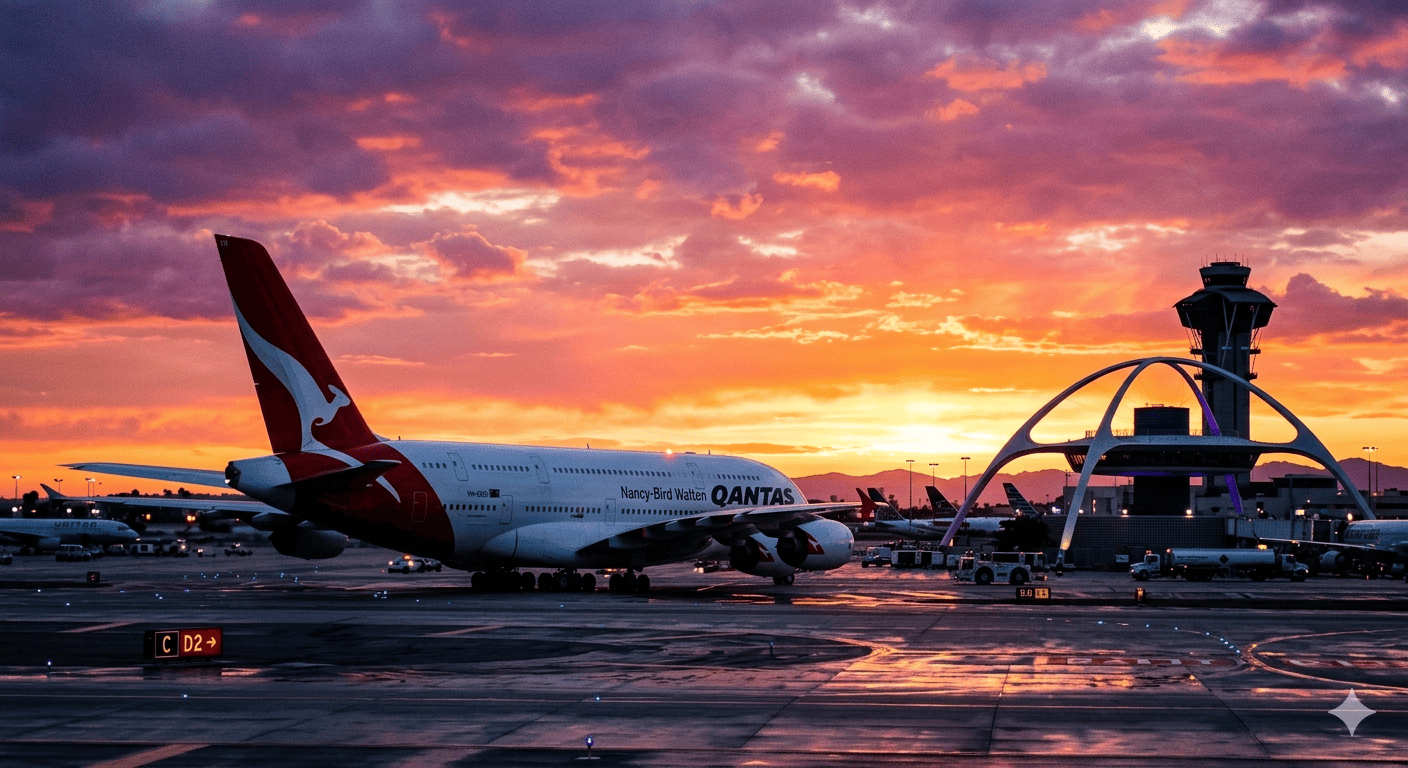
Transpacific travel lanes are tightening at a historic pace. Long recognized as one of the most lucrative and long-staying tourist demographics for the United States, Australian travelers are mounting a massive return to American shores. While business travel and urban leisure have driven a steady baseline recovery, the current monumental spike in bookings is fueled by a massive catalyst on the immediate horizon: the 2026 FIFA World Cup.
With eleven premier U.S. cities preparing to co-host the massive 48-team tournament kicking off on June 11, 2026, Australian sports enthusiasts and premium vacationers are moving quickly to anchor their accommodations, domestic flights, and cross-continental transit routes well ahead of the mid-summer peak.
Transpacific Capacity Reaches a Critical Mass
The sheer volume of inbound Australian traffic has been unlocked by a profound structural shift in aviation capacity. Historically, the notoriously long haul from the east coast of Australia (Sydney, Melbourne, and Brisbane) to the U.S. West Coast suffered from high ticket price floors and tightly constrained seating inventory.
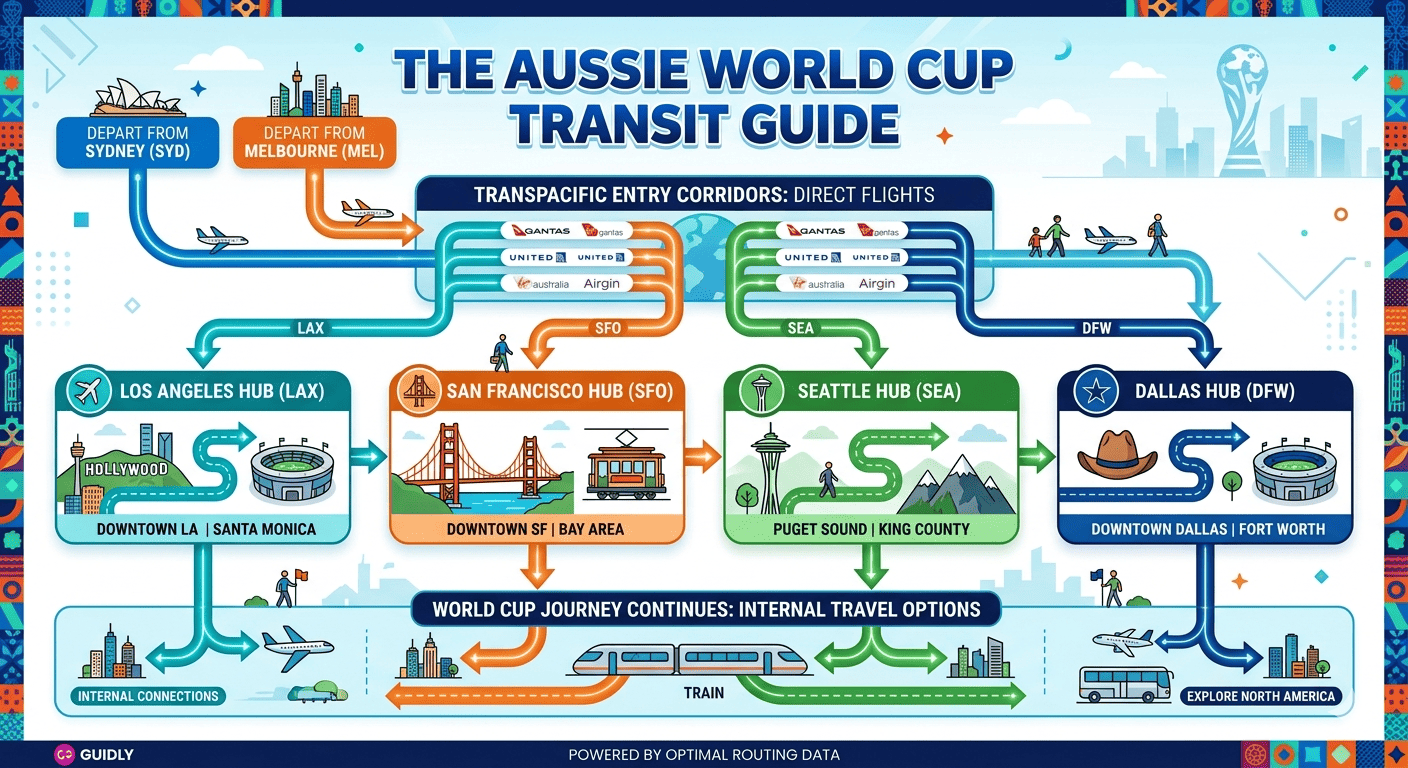
Aviation data reveals that transpacific capacity has not only fully stabilized but reached new heights. Intense competition between legacy carriers like Qantas and United Airlines—alongside tactical capacity injections from alliance partners like American Airlines and Delta—has dramatically shifted the landscape.
The introduction of fuel-efficient, next-generation ultra-long-haul aircraft has allowed carriers to run high-frequency schedules into primary gateways like Los Angeles (LAX) and San Francisco (SFO), while opening direct paths deeper into secondary transit corridors. This expansion has successfully dropped travel friction, enticing Aussies to return to classic fly-drive coast-to-coast itineraries.
The World Cup Blueprint: Multi-City Matches and Long-Haul Stays
What sets the Australian travel rebound apart from domestic or regional tourism inflows is the average duration of stay. Australian travelers traditionally maximize their extensive annual leave by booking trips spanning three to five weeks, making them a premium target for the U.S. hospitality sector.
The multi-city layout of the 2026 World Cup is uniquely suited to this long-stay travel behavior. Booking data shows that rather than flying in for a single match, Australian fans are utilizing extensive domestic aviation networks to build complex, multi-week itineraries. A typical "Socceroos" follower's itinerary may begin at the opening matches in Los Angeles or Seattle, transition through central hubs like Dallas, and culminate in the final weeks on the East Coast.
This distributed travel footprint is providing an early economic boost to hotel groups, car rental agencies, and urban dining districts located far beyond standard coastal tourist traps.
Proactive Planning: Navigating the Digital Entry Gateways
With millions of international visitors expected to converge on North America simultaneously, travel authorities are strongly advising incoming Australian nationals to look closely at their documentation requirements immediately.
Fortunately, Australian passport holders retain streamlined access to the United States via the Visa Waiver Program (VWP). Eligible travelers can secure entry by submitting an online application through the Electronic System for Travel Authorization (ESTA) prior to boarding their flights.
Key ESTA Parameters for the World Cup Rush:
- Processing Timelines: While many ESTA approvals are granted within a few hours, U.S. Customs and Border Protection officially advises submitting applications a minimum of 72 hours before departure to account for high-volume systemic backlogs.
- Validity and Length of Stay: An approved ESTA is generally valid for up to two years and permits multiple individual entries of up to 90 days per visit—providing more than enough runway to cover the entirety of the summer tournament window.
- The Passport Exception Rule: Under standard entry protocols, visitors to the U.S. must hold a passport valid for six months beyond their intended period of stay. However, Australia is a designated member of the Six-Month Club exemption list, meaning Aussie passports only need to be valid for the exact duration of the traveler's logistical stay in the country.
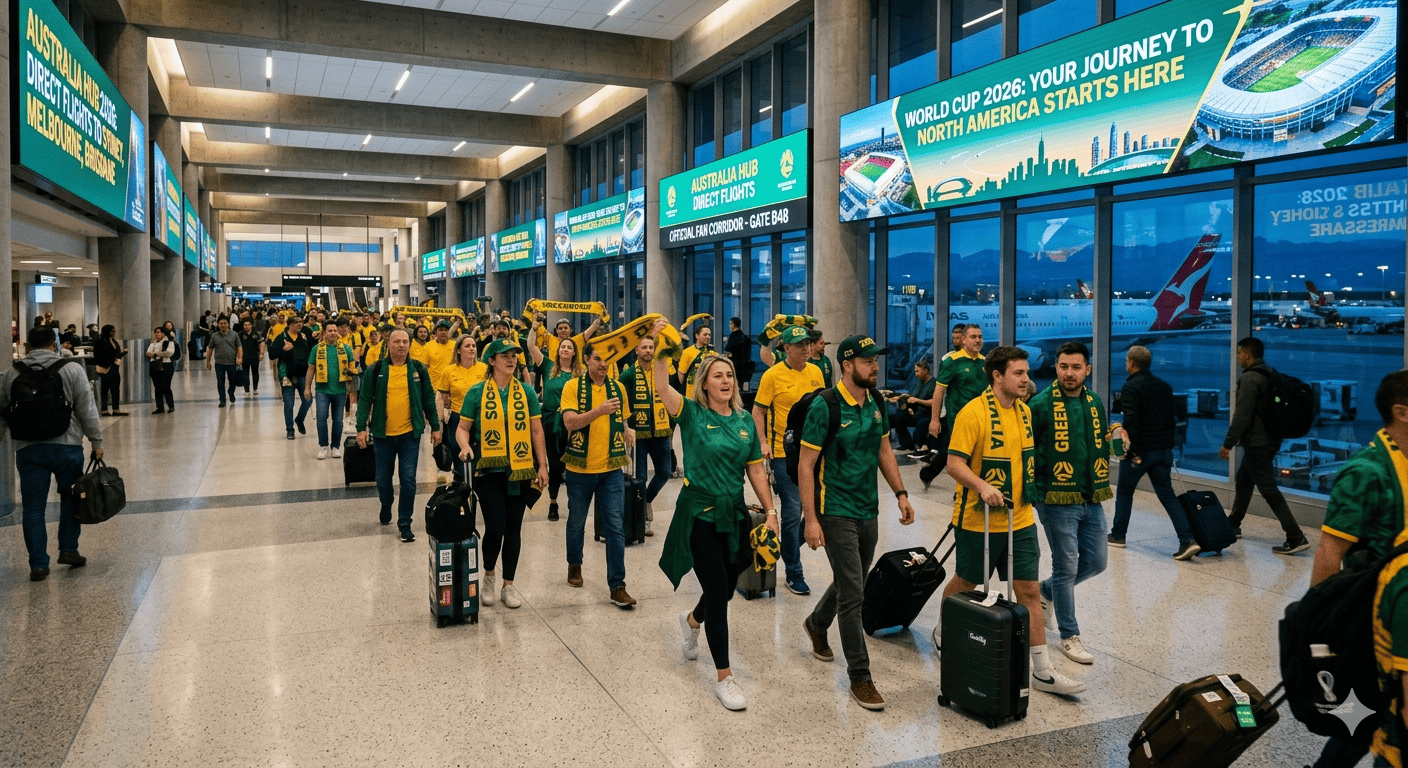
As the final countdown to the opening whistle narrows, the distinct sound of Australian accents is becoming a permanent fixture in the arrivals halls of America's grandest international hubs. For a travel market that has spent years yearning for the classic American road trip, the return is officially complete—and the timing could not be more electric.