Ancient Roots, New Routes: Afghanistan Seeks Tourism Cooperation with Iran to Revive Travel Industry
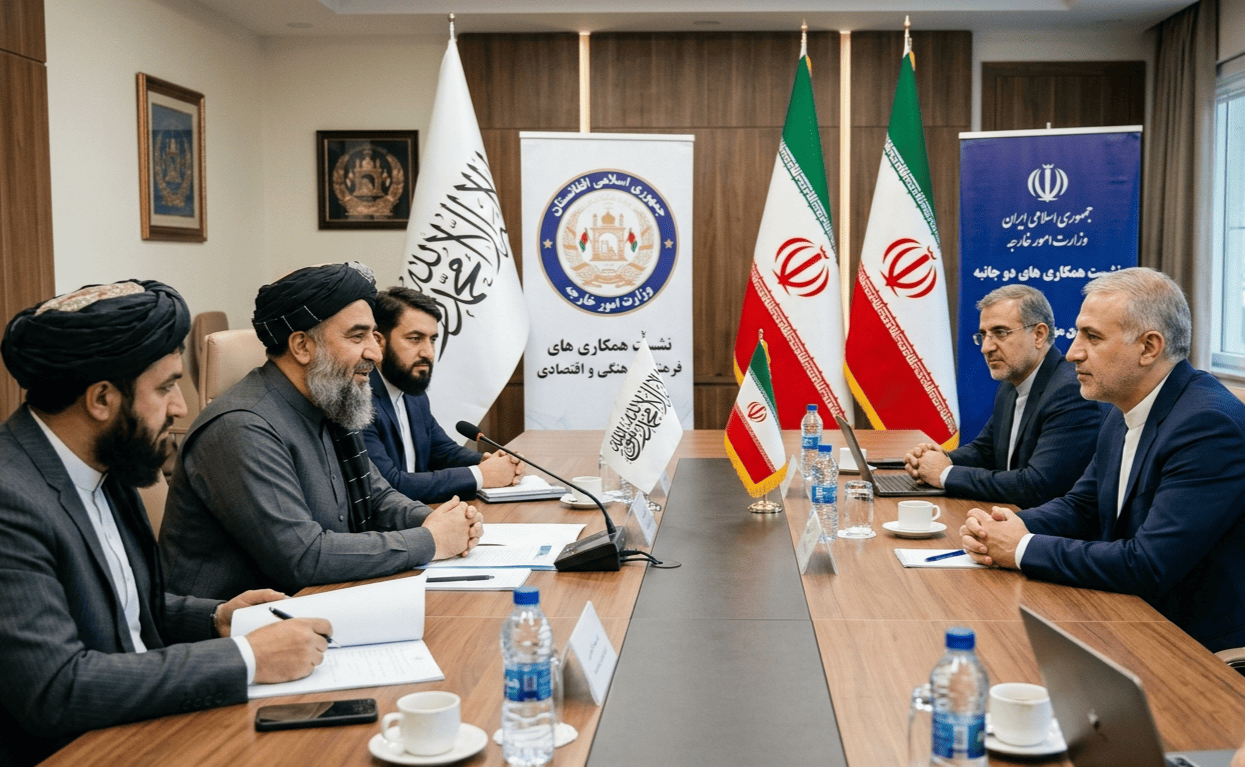
In an effort to rebuild its economy and change its global narrative, Afghanistan is officially turning to its western neighbor to help breathe life into its dormant hospitality sector. The Afghan Ministry of Information and Culture (MoIC) met with Iranian diplomats in Kabul to map out an expansive bilateral framework focused on regional travel, human resource training, and cross-border connectivity.
Decades of instability have left Afghanistan’s incredible archaeological and natural wonders cut off from mainstream global travel. However, this burgeoning strategic alliance could pave the way for a sustainable economic revival.
Training the Next Generation of Afghan Hospitality
A primary hurdle facing the revitalization of the Afghan travel landscape is a severe lack of hospitality infrastructure and specialized personnel. During the Kabul summit, Afghan Deputy Minister Mawlawi Qudratullah Jamal directly requested Iranian academic assistance to upscale local training programs.
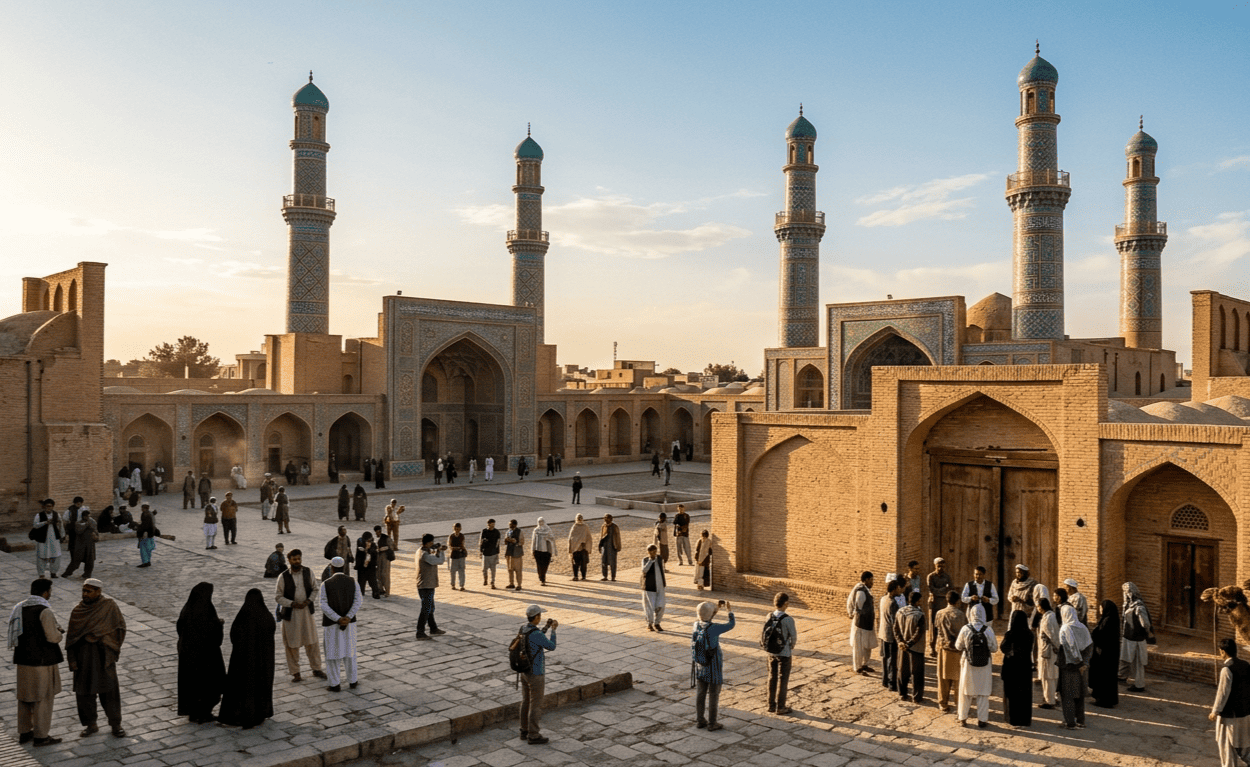
Specifically, the Afghan government is looking to send lecturers from Kabul's Institute of Tourism and Hospitality to participate in specialized training courses and academic seminars led by experienced Iranian instructors. Leveraging Iran’s long-standing industry expertise is viewed as a vital shortcut to implementing modern tourism management across historical landmarks like Herat, Bamiyan, and Mazar-i-Sharif.
Pilgrimage, Medical, and Cultural Exchanges
The planned cooperation aims to look far beyond casual sightseeing. Iranian Ambassador Alireza Bigdeli and cultural adviser Seyed Ruhollah Hosseini highlighted that the deep religious, linguistic, and civilisational ties binding the two nations provide a ready-made market for high-volume travel sectors.
The impending bilateral Memorandum of Understanding (MoU) outlines a fast-track initiative focusing on three core areas:
- Pilgrimage Logistics: Streamlining the seasonal transit of Afghan pilgrims traveling across borders toward holy sites, such as Karbala.
- Medical Tourism Expansion: Creating robust pathways for Afghan citizens seeking specialized healthcare treatments within Iran's established medical corridors.
- Elite and Scientific Travel: Establishing "sisterhood atmospheres" between culturally significant cities (such as Mashhad, Isfahan, Kabul, and Herat) and hosting joint academic expositions to boost elite traveler exchanges.
A Step Toward Global Re-engagement
While Western travel advisories for Afghanistan remain strict, regional travelers and niche cultural explorers are beginning to trickles back in. Regional cooperation with Iran offers a safe, structured framework to test the country's capacity for handling inbound crowds, preserving rich archaeological sites, and stimulating localized handicraft and service economies.
If finalized and managed effectively, this cultural and economic bridge could play a foundational role in reintroducing Afghanistan's genuine civilizational value to the rest of the world.