Africa Tourism Growth: Egypt Leads Record-Breaking Global Travel Surge
The global tourism landscape has reached a historic turning point, and the epicenter of growth has decisively shifted to Africa. According to the latest data from the United Nations World Tourism Organization (UN Tourism) World Tourism Barometer, Africa outpaced every other global region to become the world’s fastest-growing tourism market, recording an extraordinary 8% expansion in international arrivals.
The continent welcomed a record-breaking 81.3 million international visitors, soundly eclipsing its pre-pandemic high-water mark of 69.6 million registered in 2019. This rapid rise doubled the global tourism expansion average of 4%, positioning the continent not just as a market in recovery, but as an expanding powerhouse of global travel.
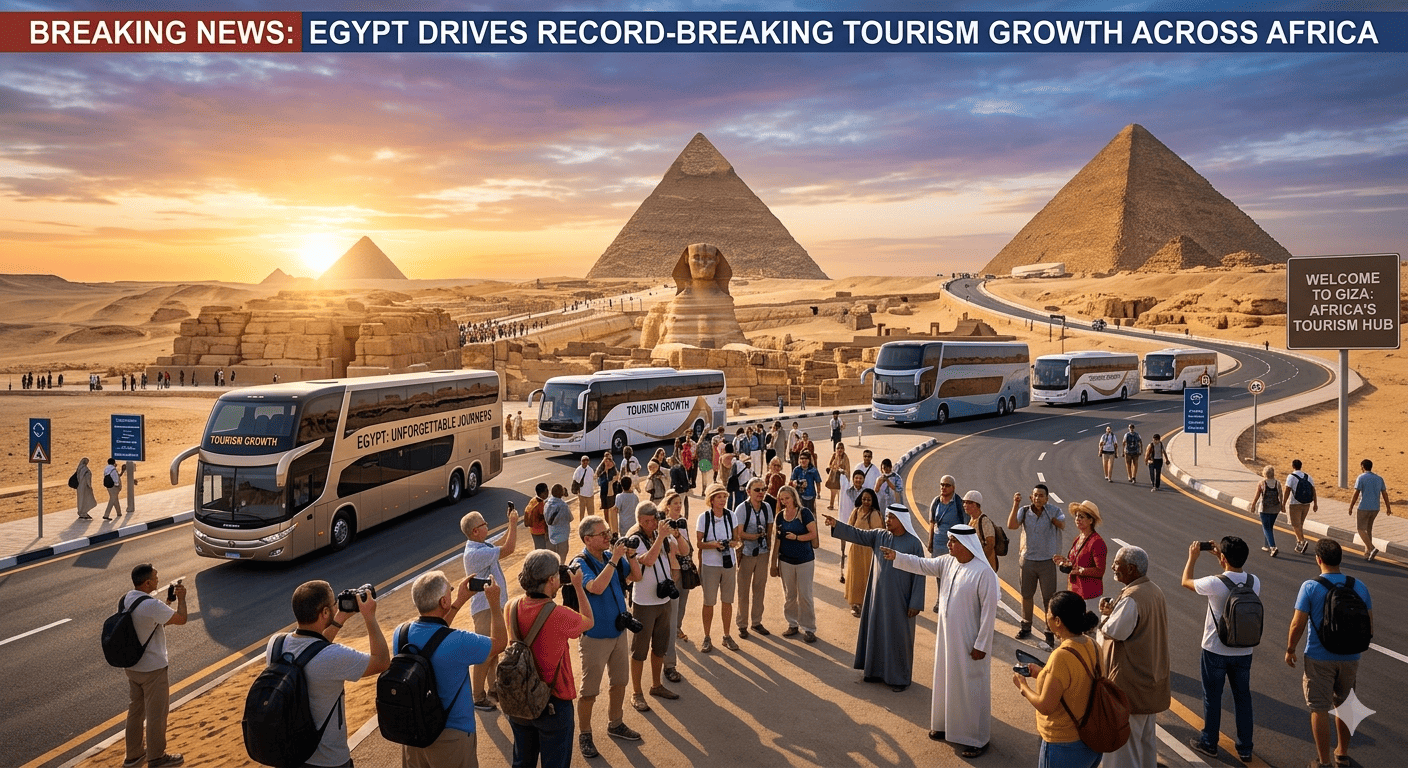
At the absolute forefront of this continental renaissance is North Africa, which registered a blistering 11% growth rate—anchored heavily by an unprecedented tourism surge in Egypt.
Egypt: The Crown Jewel of the African Resurgence
Egypt has emerged as the primary growth engine of the North African travel boom. Backed by massive state-led infrastructure investments, aggressive marketing frameworks, and enhanced visa facilitation, the country has become an inescapable magnet for global travelers.
Current forecasting from Fitch Solutions projects Egypt to welcome an astounding 20.7 million visitors, driven by 18.6 million international arrivals. This aggressive upward trajectory aligns directly with Cairo’s long-term strategic master plan: a bold economic initiative targeting 30 million annual visitors and over $40 billion in tourism revenues by 2031.
The massive influx of travelers is being absorbed by a rapidly evolving cultural landscape. The highly anticipated, phased rollouts and growing accessibility of mega-projects—like the Grand Egyptian Museum (GEM) on the Giza plateau and extensive luxury developments along the Mediterranean's North Coast—have successfully diversified Egypt's appeal. The country is no longer viewed merely as a historical heritage site, but as a premium, multi-tiered leisure destination.
Pulling the Levers: Why Africa is Winning
Africa’s dramatic outperformance of traditional travel hubs like Europe and the Americas boils down to structural improvements across connectivity and accessibility. Industry experts point to key structural shifts that have collectively unlocked the continent's massive potential:
- The Rise of Visa Openness: Nations like Rwanda, Ghana, Seychelles, Benin, and The Gambia have broken down regional barriers by implementing visa-free or seamless visa-on-arrival frameworks, a trend being mirrored across subregions to foster effortless entry.
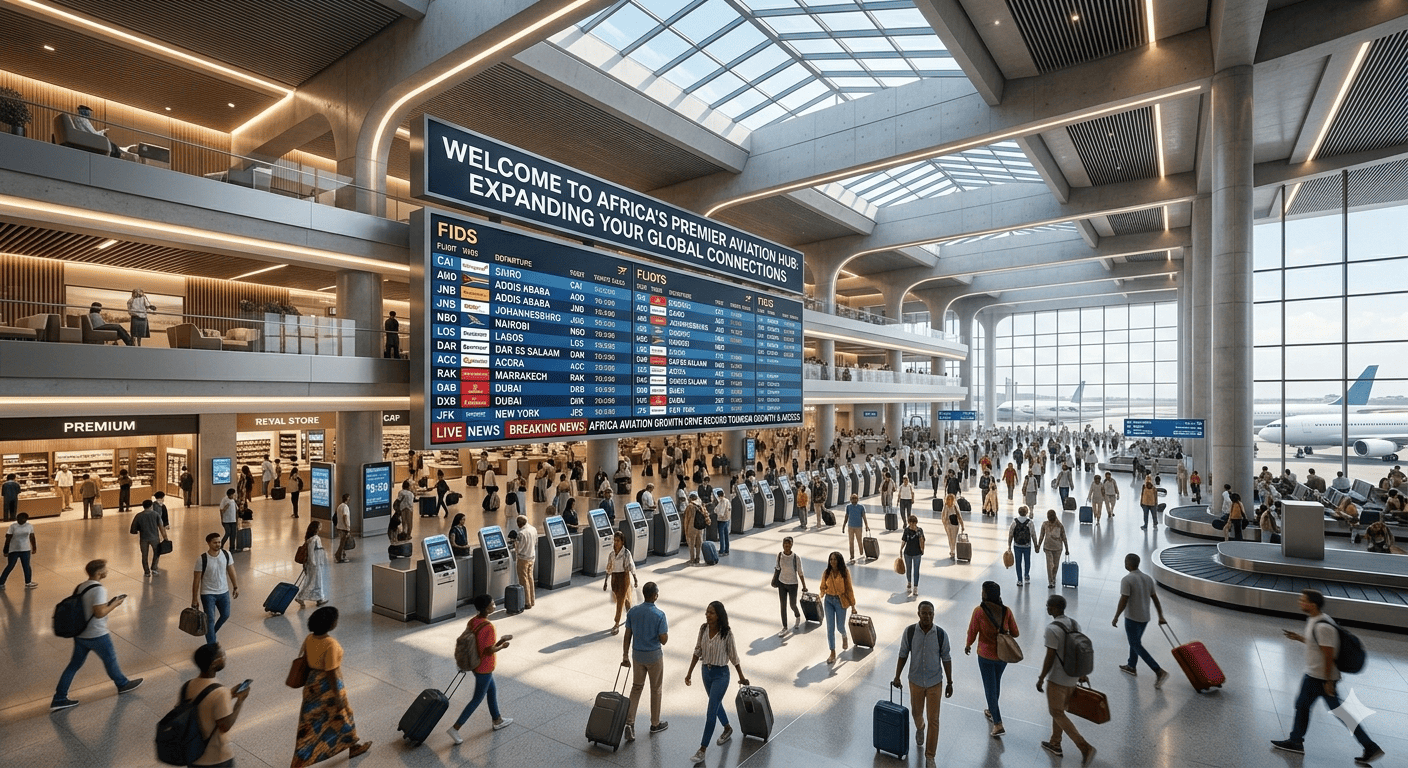
- Aviation and Air Access: Major regional carriers, spearheaded by Ethiopian Airlines’ continuous hub expansions, have drastically improved intra-African connectivity, enabling multi-destination travel itineraries that were previously logistically impossible.
- The "Bleisure" and Youth Factor: Boasting the world's youngest workforce and rapidly rising smartphone penetration (projected to hit 51% this year), African markets are capturing a new generation of digital nomads, remote professionals, and experiential leisure travelers.
"Tourism is uniquely positioned to address critical challenges like youth unemployment across the continent," noted tourism sector leaders during recent regional forums. "The private sector has transformative ideas, but it is this synchronized public-private backing—building future-focused infrastructure—that is providing the ultimate economic impetus."
Navigating Headwinds: The Outlook Ahead
Despite the historic data, the horizon presents a complex matrix of challenges that will test the industry's demand elasticity. Geopolitical volatility in the Middle East has introduced a wave of secondary economic pressures.
Surging global jet fuel prices—which spiked sharply through the first half of the year—have forced major international and legacy airlines to optimize networks, adjust route frequencies, and hike long-haul ticket pricing. Additionally, structural fragmentation within African airspace, climate vulnerabilities, and localized infrastructure gaps remain persistent hurdles that require deep, sustained capital investment.
However, industry sentiment regarding the remainder of the year and the entry into next year remains resolutely expansionary. The UN Tourism Confidence Index tracks at a highly optimistic 126 out of 200, supported by robust consumer spending and an appetite for highly authentic, culturally deep destinations.
As global travelers increasingly look past traditional, over-tourism-plagued Western corridors, Africa—with Egypt firmly leading the vanguard—stands ready as the definitive frontier of modern global travel.